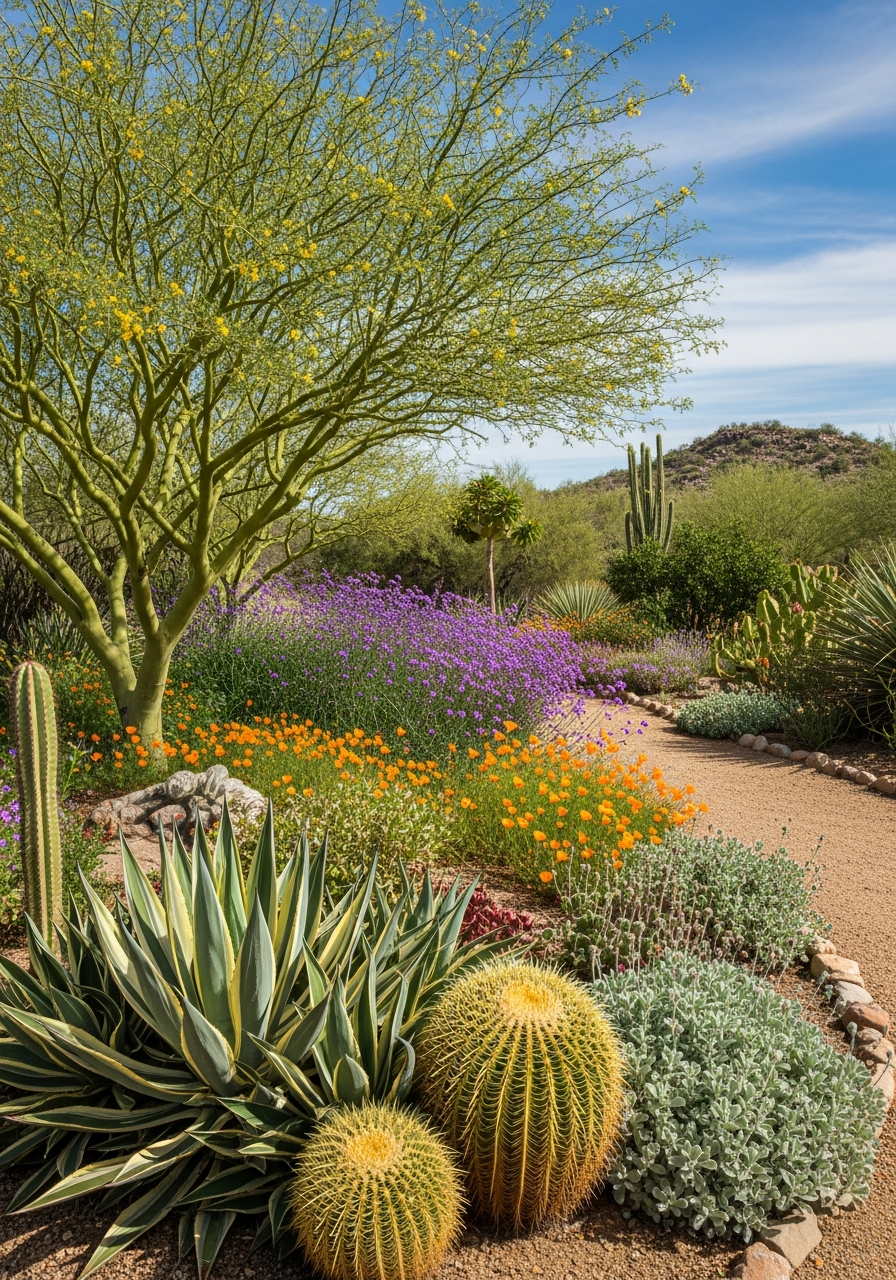
Gardening in USDA Zones 9–10 means working with intense sun, high temperatures, and often limited rainfall. The good news is that many native plants are perfectly adapted to these conditions. By choosing natives suited to hot climates, you can create a vibrant, low-water garden that thrives with minimal maintenance while supporting local wildlife.
Understanding USDA Zones 9–10
USDA Zones 9–10 are characterized by mild winters and long, hot growing seasons:
- Zone 9: 20°F to 30°F (-7°C to -1°C)
- Zone 10: 30°F to 40°F (-1°C to 4°C)
These zones experience intense summer heat, making heat tolerance and water efficiency essential in garden design.
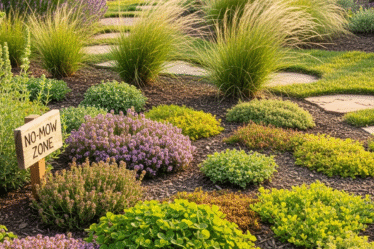
Image suggestion: A sun-filled native garden thriving in a hot climate.
Why Native Plants Are Ideal for Hot Climates
Native plants evolved to survive regional heat, drought, and soil conditions. Benefits include:
- Excellent heat and sun tolerance
- Lower water requirements once established
- Reduced need for fertilizers and pesticides
- Strong support for pollinators and birds
Native plants are the foundation of sustainable gardens in Zones 9–10.
Best Native Perennials for Zones 9–10
Native perennials provide color and pollinator value without excessive watering.
Blanket Flower (Gaillardia)
- Bright, long-lasting blooms
- Extremely heat and drought tolerant
- Attracts bees and butterflies
Desert Marigold (Baileya multiradiata)
- Cheerful yellow flowers
- Thrives in full sun and poor soils
- Minimal water needs
Penstemon
- Tubular flowers loved by hummingbirds
- Excellent drought tolerance
- Performs well in rocky or sandy soil
Salvia (Native Varieties)
- Long blooming season
- Highly attractive to pollinators
- Thrives in hot, dry conditions
Image suggestion: Heat-loving native flowers in full bloom.
Best Native Grasses for Zones 9–10
Grasses add texture, movement, and resilience to hot-climate landscapes.
Blue Grama
- Low-growing and drought tolerant
- Excellent lawn alternative
- Minimal maintenance
Deer Grass (Muhlenbergia rigens)
- Elegant arching form
- Handles heat and drought
- Ideal for mass plantings
Sideoats Grama
- Ornamental seed heads
- Strong heat tolerance
- Supports native wildlife
Best Native Shrubs for Zones 9–10
Shrubs provide shade, structure, and year-round interest.
Manzanita
- Evergreen foliage and sculptural form
- Extremely drought tolerant
- Thrives in poor, well-drained soils
Creosote Bush
- One of the most drought-tolerant natives
- Requires almost no supplemental water
- Ideal for desert landscapes
Texas Sage (Leucophyllum)
- Silvery foliage and purple blooms
- Thrives in extreme heat
- Low maintenance
Image suggestion: Native shrubs providing shade and structure.
Native Ground Covers for Zones 9–10
Ground covers reduce evaporation and suppress weeds.
- Frogfruit
- Trailing lantana (native varieties)
- Desert verbena
These plants spread naturally and thrive in hot climates.
Smart Design Tips for Hot-Climate Gardens
Design choices matter as much as plant selection:
- Group plants by water needs (hydrozoning)
- Use mulch or gravel to reduce evaporation
- Incorporate shade from trees or structures
- Choose light-colored hardscape to reflect heat
Good design reduces water use and plant stress.
Planting and Care Tips for Zones 9–10
To ensure success:
- Plant in fall or early spring to avoid heat stress
- Water deeply during establishment
- Avoid overwatering once plants mature
- Allow plants to grow naturally without heavy pruning
Native plants become more drought-tolerant over time.
Final Thoughts
Native plants for hot climates make Zone 9–10 gardens both beautiful and resilient. By choosing heat-adapted perennials, grasses, shrubs, and ground covers, you can create a low-water landscape that thrives under intense sun while supporting pollinators and conserving resources.
Image suggestion: A mature Zone 9–10 native garden with layered plantings and vibrant color.