
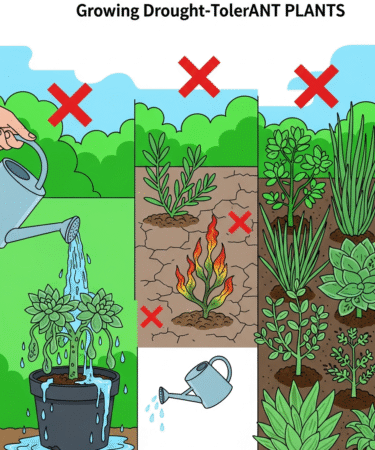
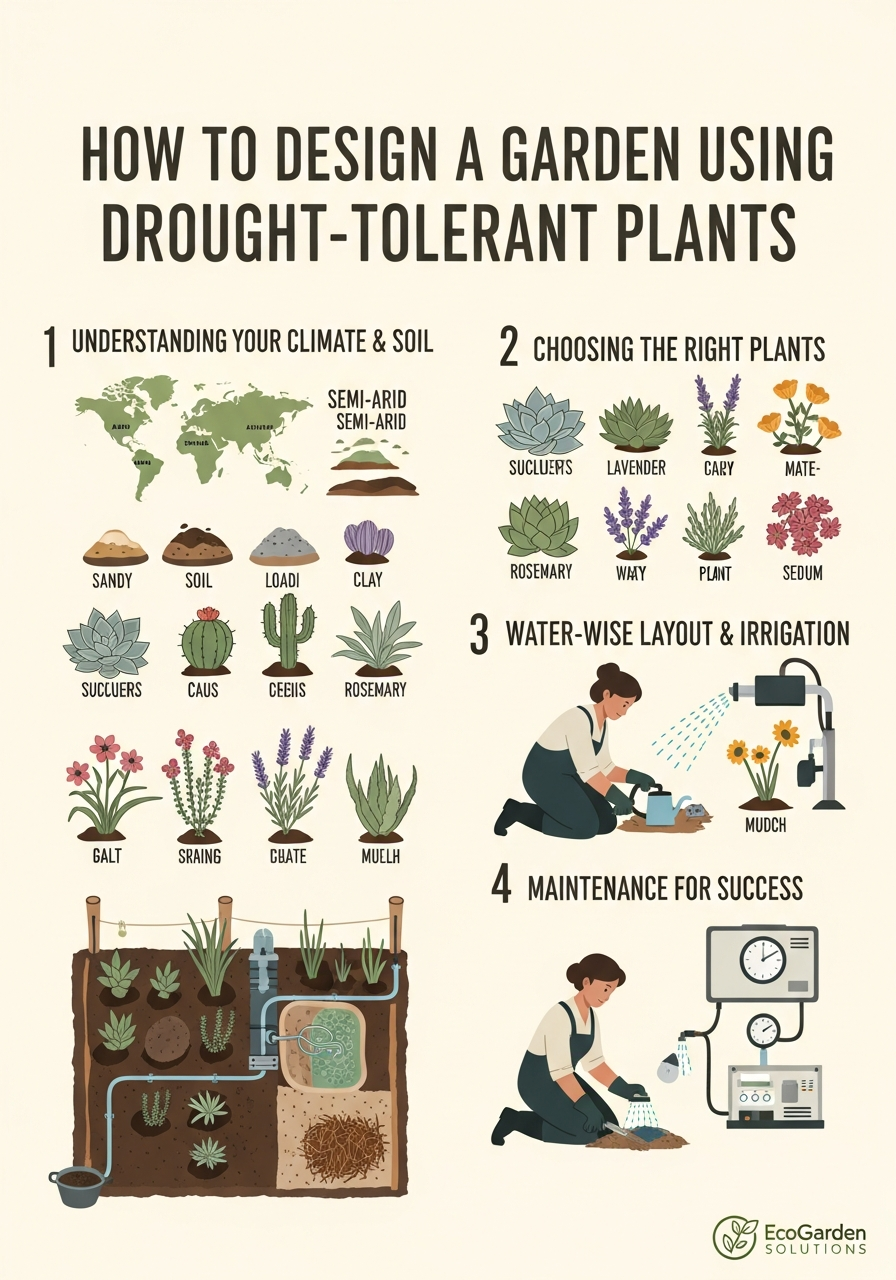
As water conservation becomes increasingly important, drought-tolerant gardens are no longer just a practical choice—they’re a beautiful one too. With thoughtful design and the right plant selections, you can create a landscape that thrives with minimal water, supports local ecosystems, and looks stunning year-round. Whether you live in an arid climate or simply want a …
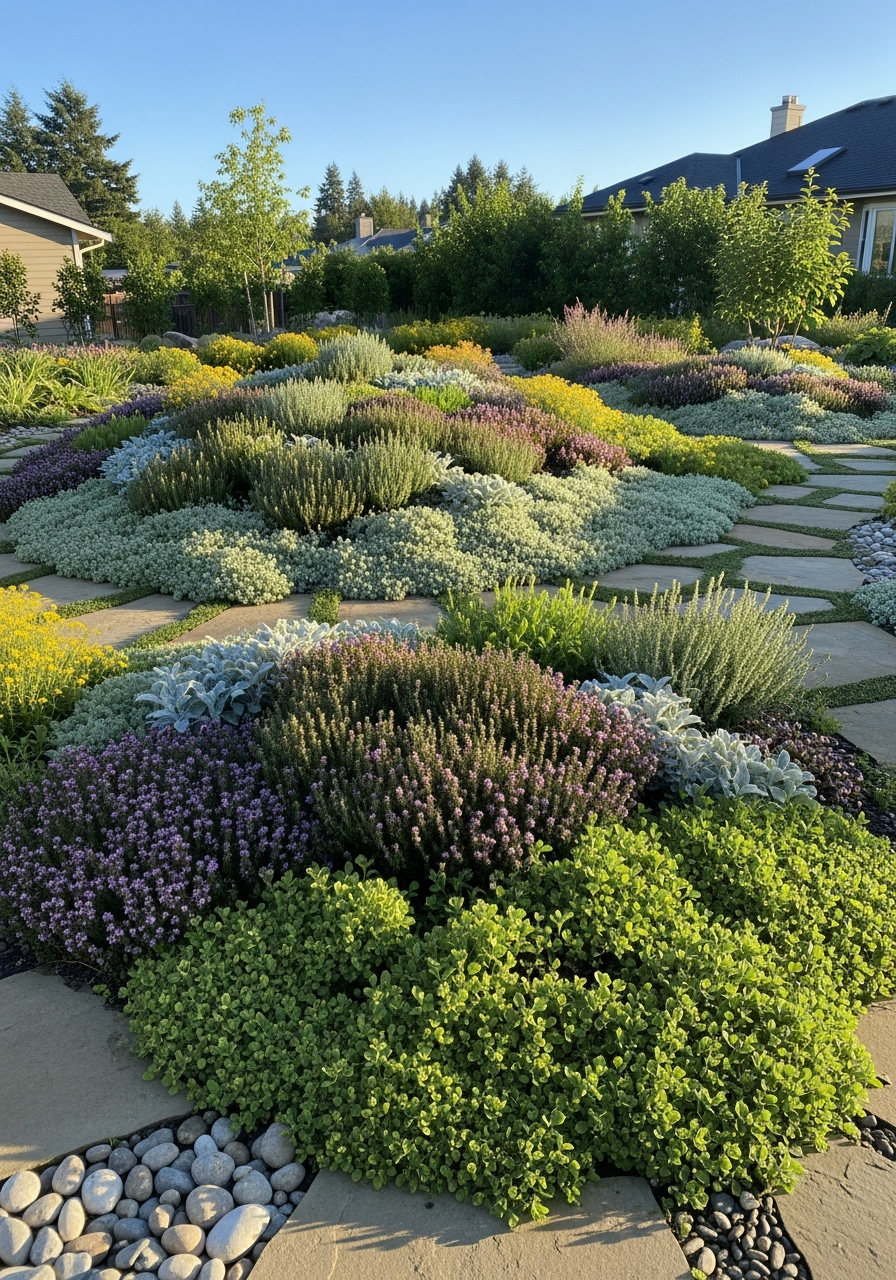
🌿💧 Drought-Tolerant Ground Covers That Replace Grass
Traditional lawns require frequent watering, mowing, fertilizing, and maintenance—especially in dry climates. If you’re looking for a more sustainable alternative, drought-tolerant ground covers offer a smart, attractive way to replace grass while significantly reducing water use. These low-growing plants spread to form dense mats, suppress weeds, and stay green or colorful with far less water …
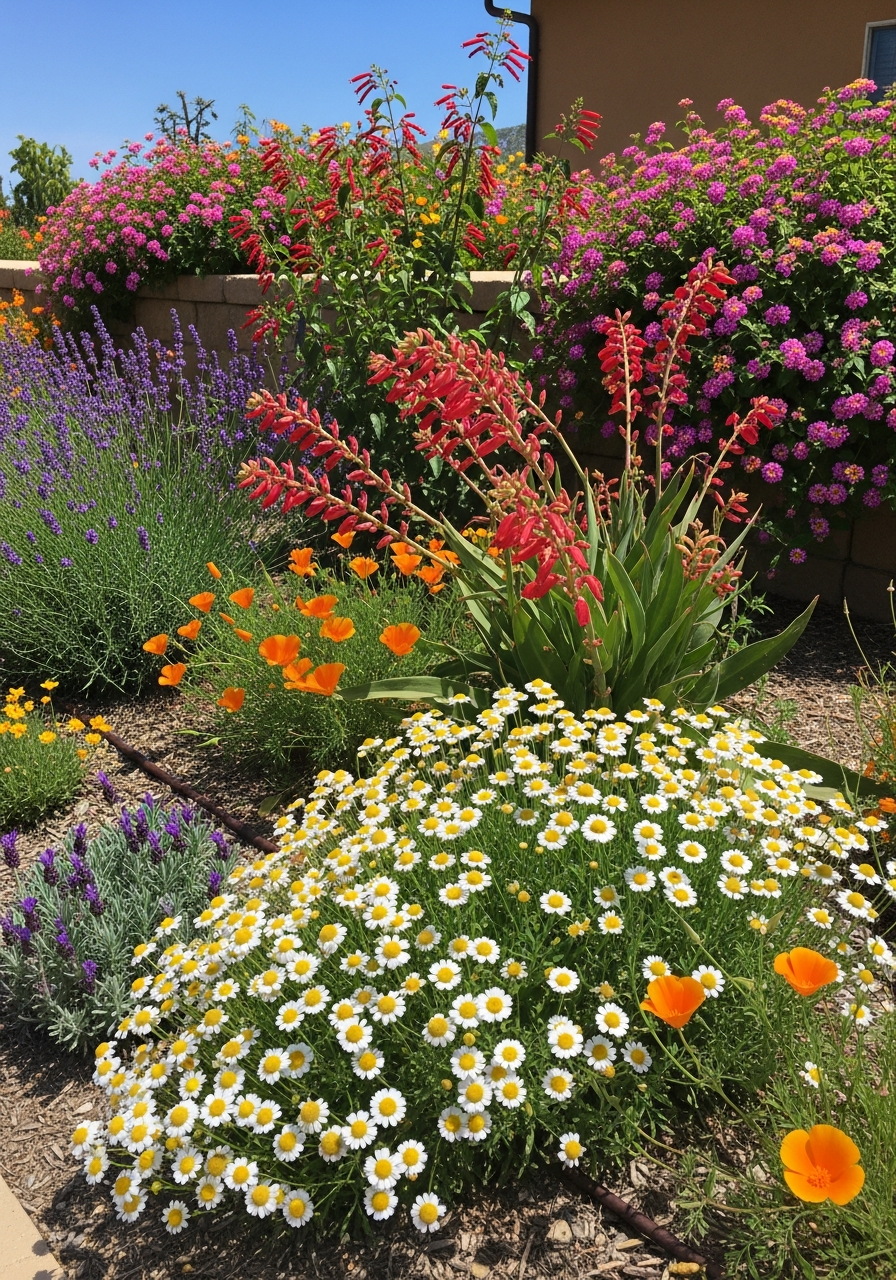
🌸💧 Drought-Tolerant Plants That Still Offer Colorful Blooms
A water-wise garden doesn’t have to be dull or monochromatic. Many drought-tolerant plants produce bold, long-lasting blooms—even in hot, dry conditions. With the right plant choices, you can enjoy rich color throughout the growing season while using far less water. Whether you’re dealing with water restrictions or simply want a low-maintenance landscape, these plants prove …
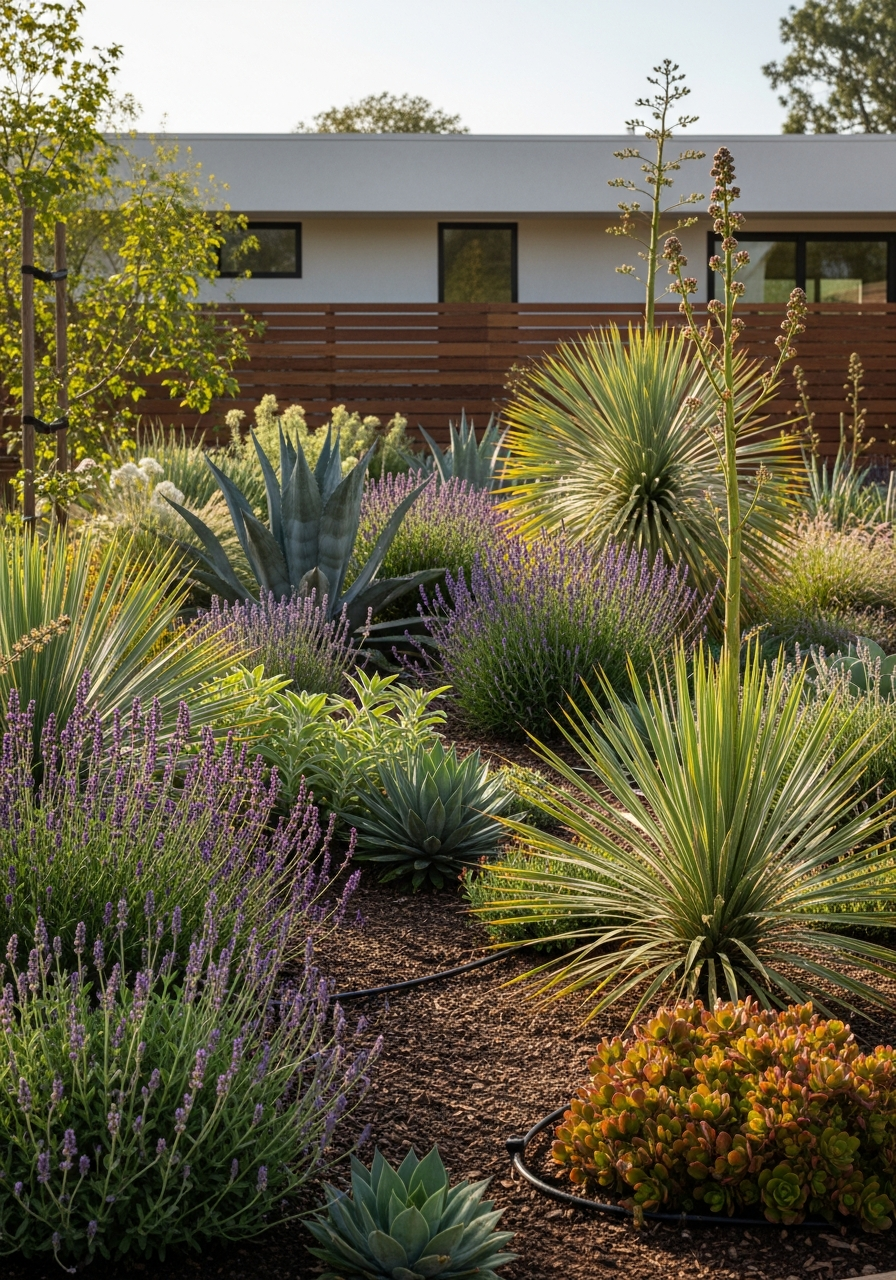
🌿💧 Native Drought-Tolerant Plants for Sustainable Landscaping
As water shortages and climate extremes become more common, sustainable landscaping is no longer just a trend—it’s a necessity. One of the most effective ways to create an eco-friendly, low-maintenance yard is by planting native drought-tolerant plants. Native plants evolved to thrive in local climates, soils, and rainfall patterns. When those plants are also drought …
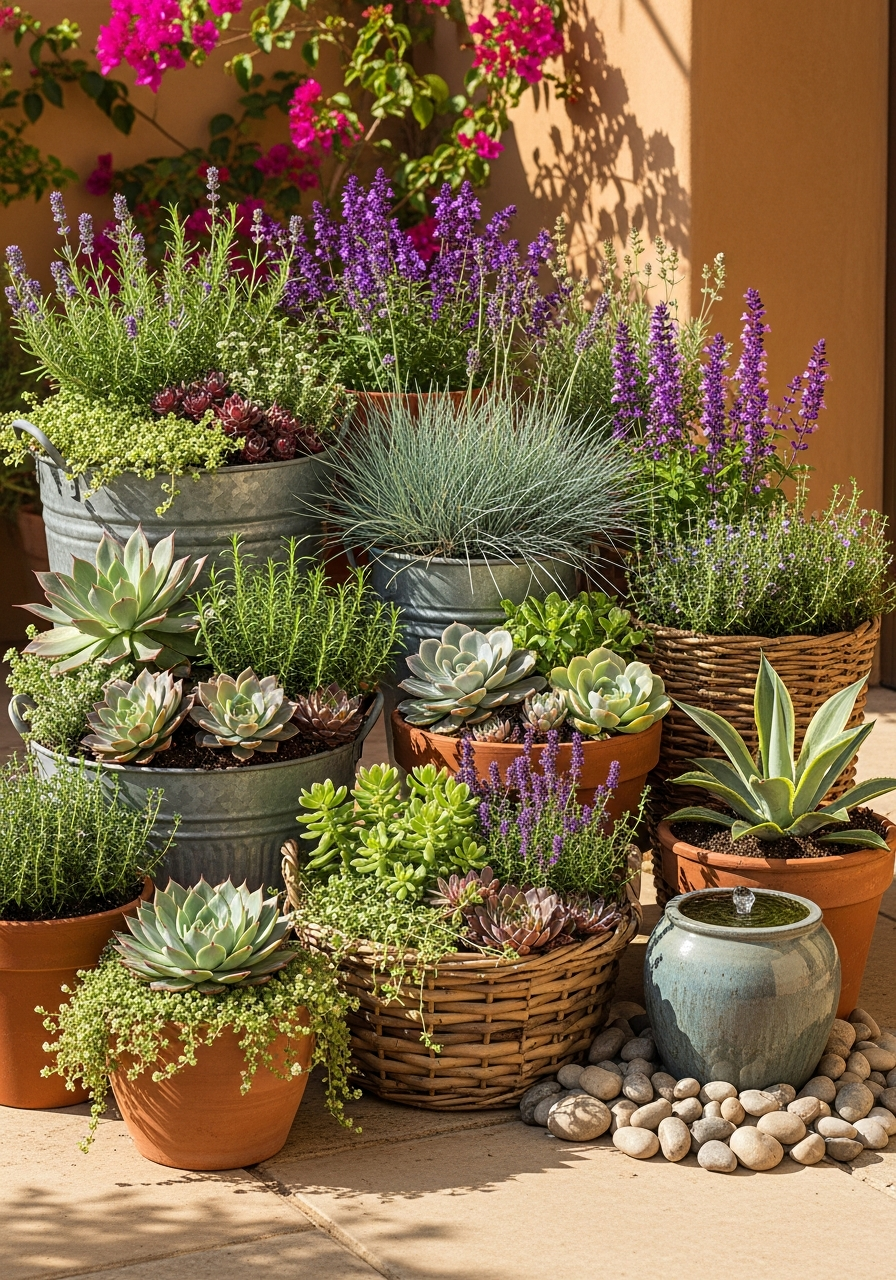
🌿💧 Drought-Tolerant Plants for Small Gardens and Containers
Limited space doesn’t mean limited options—especially when it comes to water-wise gardening. With the right plant choices, small gardens, patios, balconies, and containers can be both beautiful and drought tolerant. Plants that thrive with little water are ideal for containers, where soil dries out faster and watering needs to be efficient. Below are some of …
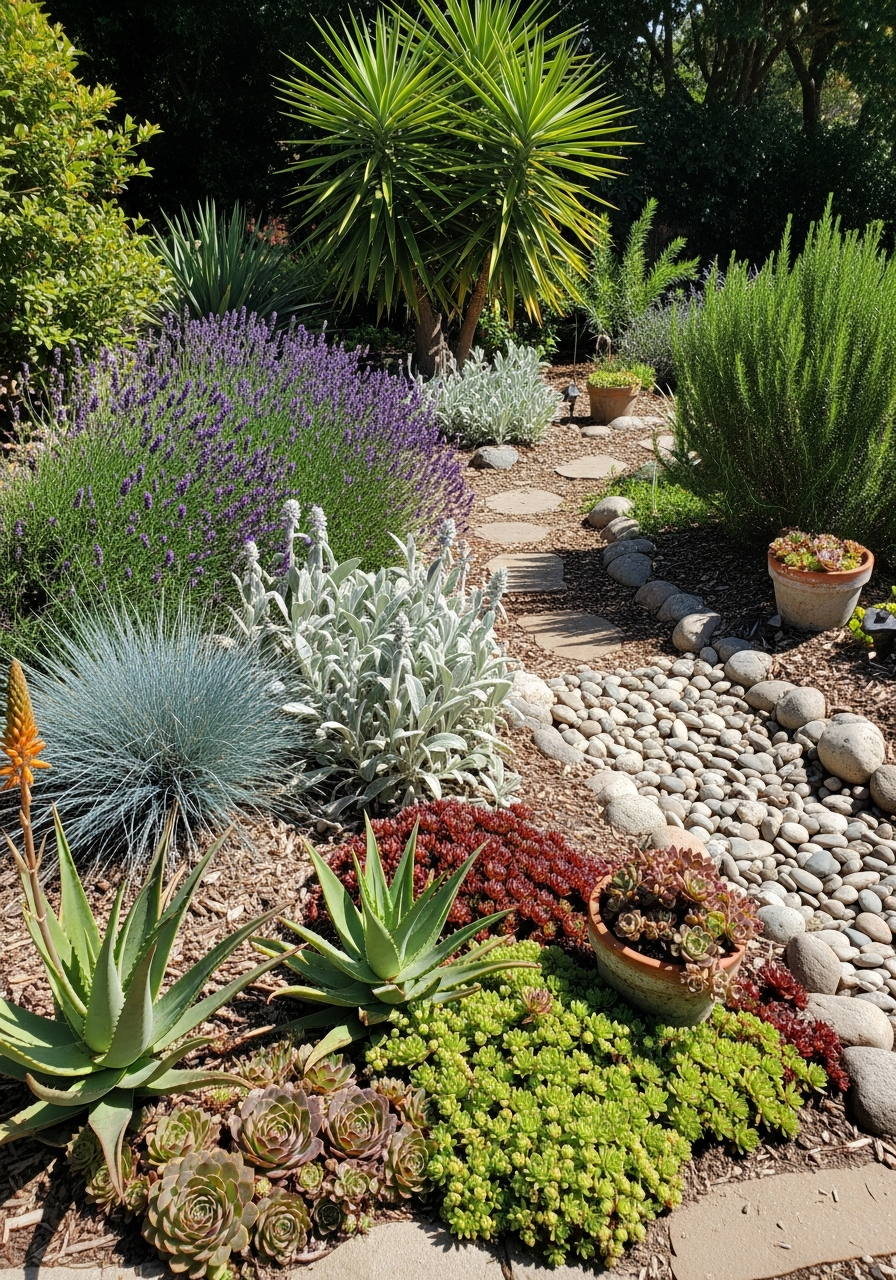
🌿💧 Low-Maintenance Drought-Tolerant Plants for Busy Gardeners
Between work, family, and everyday responsibilities, many gardeners want a landscape that looks great without constant watering, pruning, or fuss. That’s where low-maintenance, drought-tolerant plants come in. These plants are built to handle dry conditions, heat, and less-than-perfect care—making them ideal for busy homeowners who want a water-wise garden that thrives on autopilot. 🌎 What …
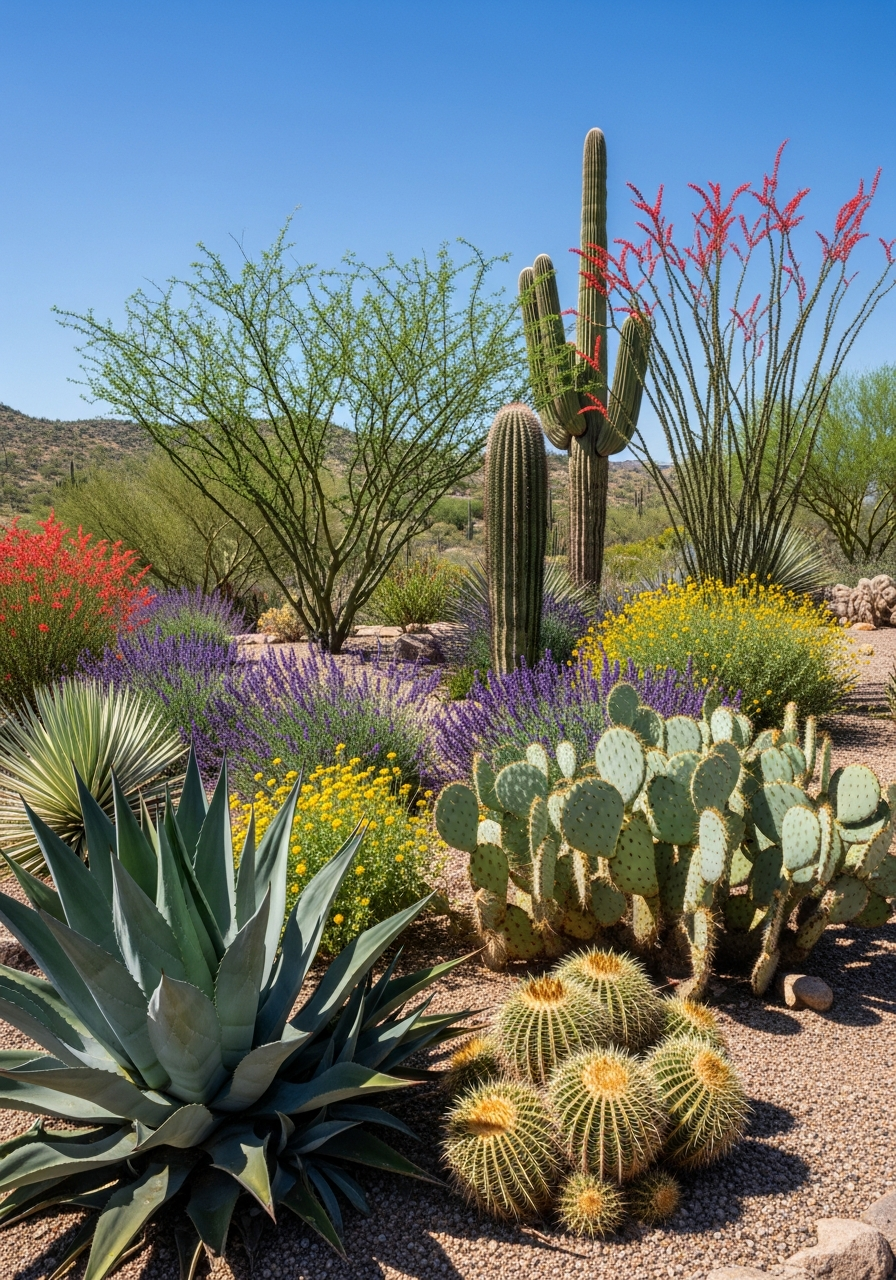
☀️🌵 Drought-Tolerant Plants for Hot and Dry Climates
Gardening in a hot, dry climate can be challenging—but it doesn’t have to be limiting. With the right plant choices, you can create a landscape that thrives in extreme heat while using minimal water. Drought-tolerant plants are specially adapted to survive long dry periods, intense sun, and poor soils, making them ideal for arid and …
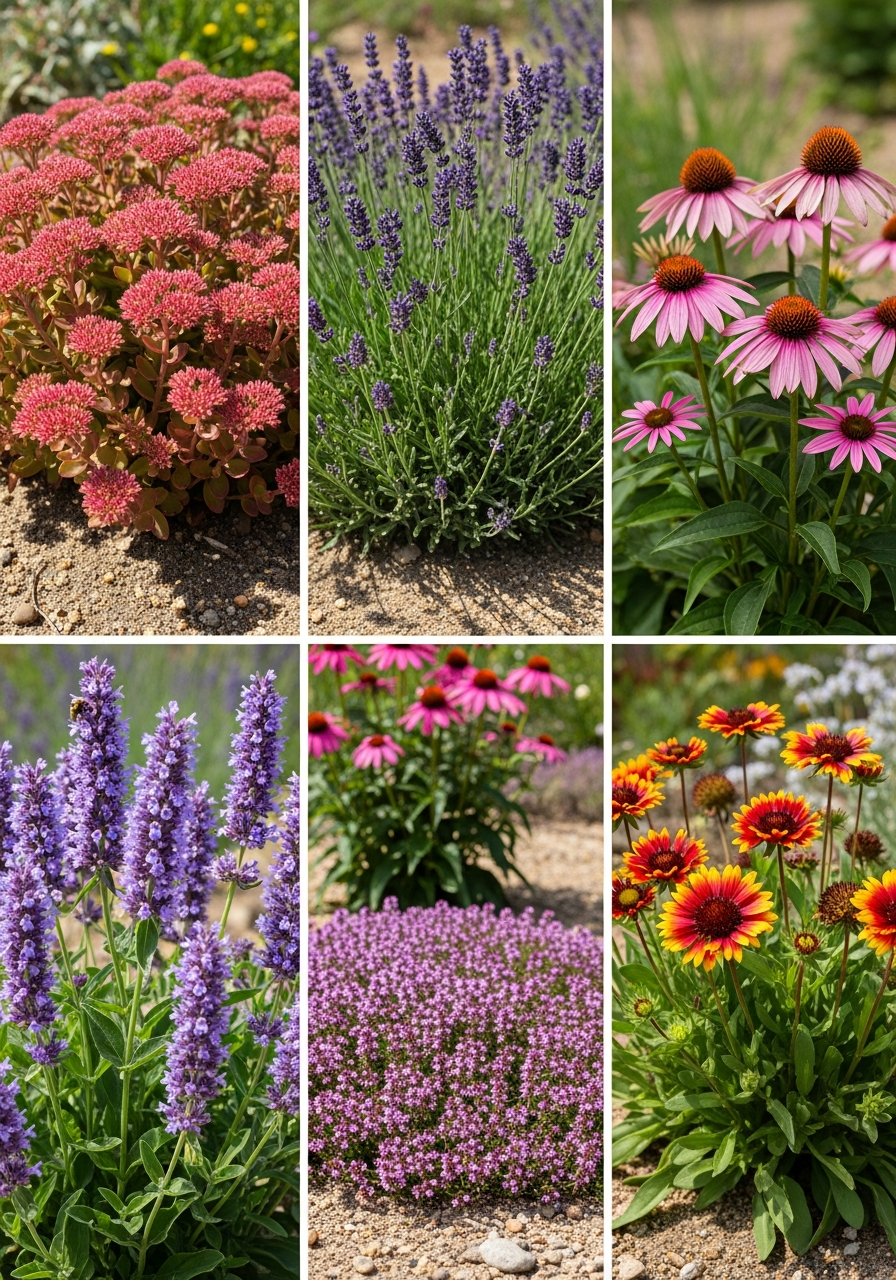
💧🌿 Top Drought-Tolerant Perennials That Thrive with Little Water
If you’re looking to reduce watering without giving up a colorful, vibrant garden, drought-tolerant perennials are the perfect solution. These plants return year after year, develop deep root systems, and thrive in hot, dry conditions once established. Whether you’re dealing with water restrictions, poor soil, or simply want a low-maintenance landscape, the perennials below are …
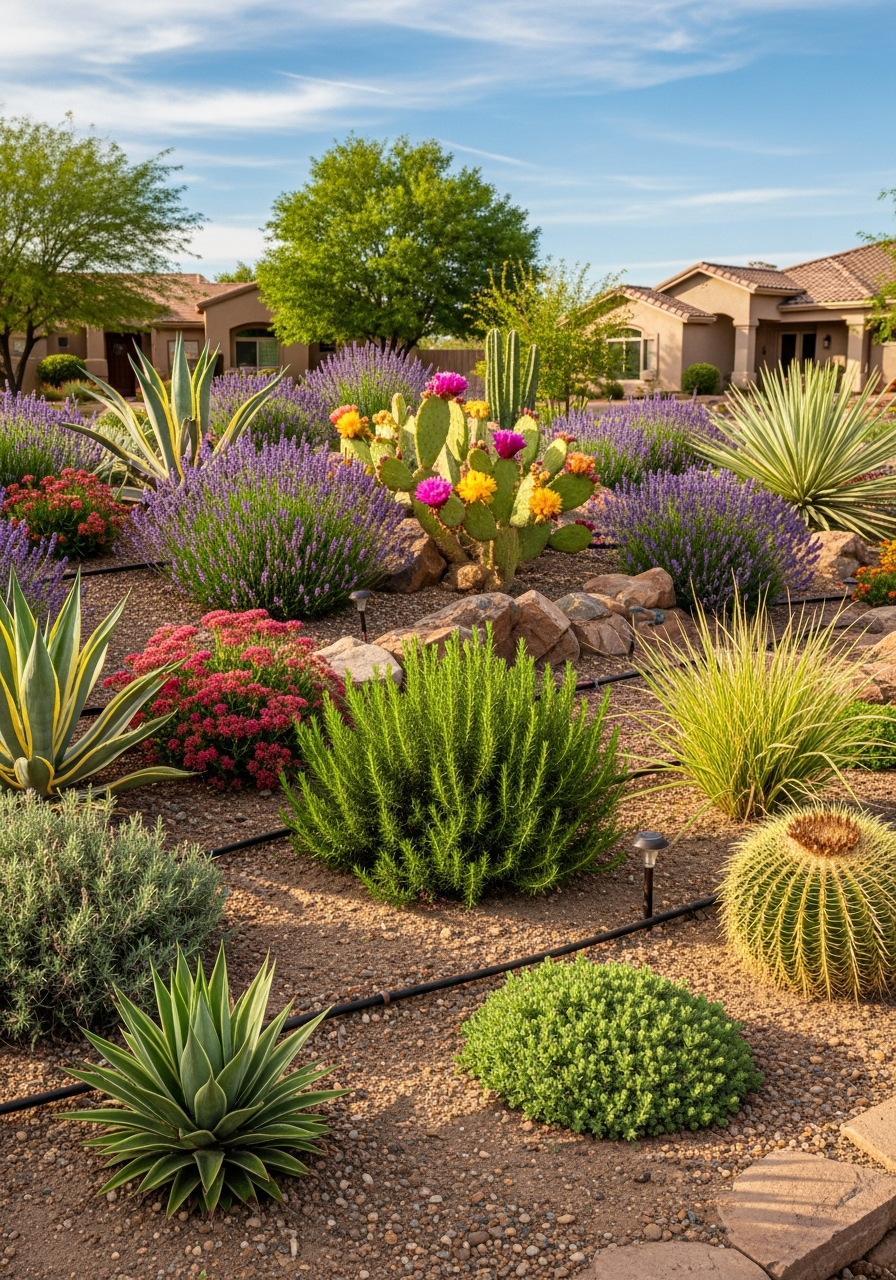
💧🌿 Best Drought-Tolerant Plants for Water-Wise Gardens
As water conservation becomes increasingly important, homeowners are rethinking traditional landscapes that demand frequent irrigation. A water-wise garden uses plants that thrive with minimal supplemental water—without sacrificing beauty or seasonal interest. The best drought-tolerant plants are often native or climate-adapted species with deep roots, tough foliage, and efficient water use. Below is a curated list …
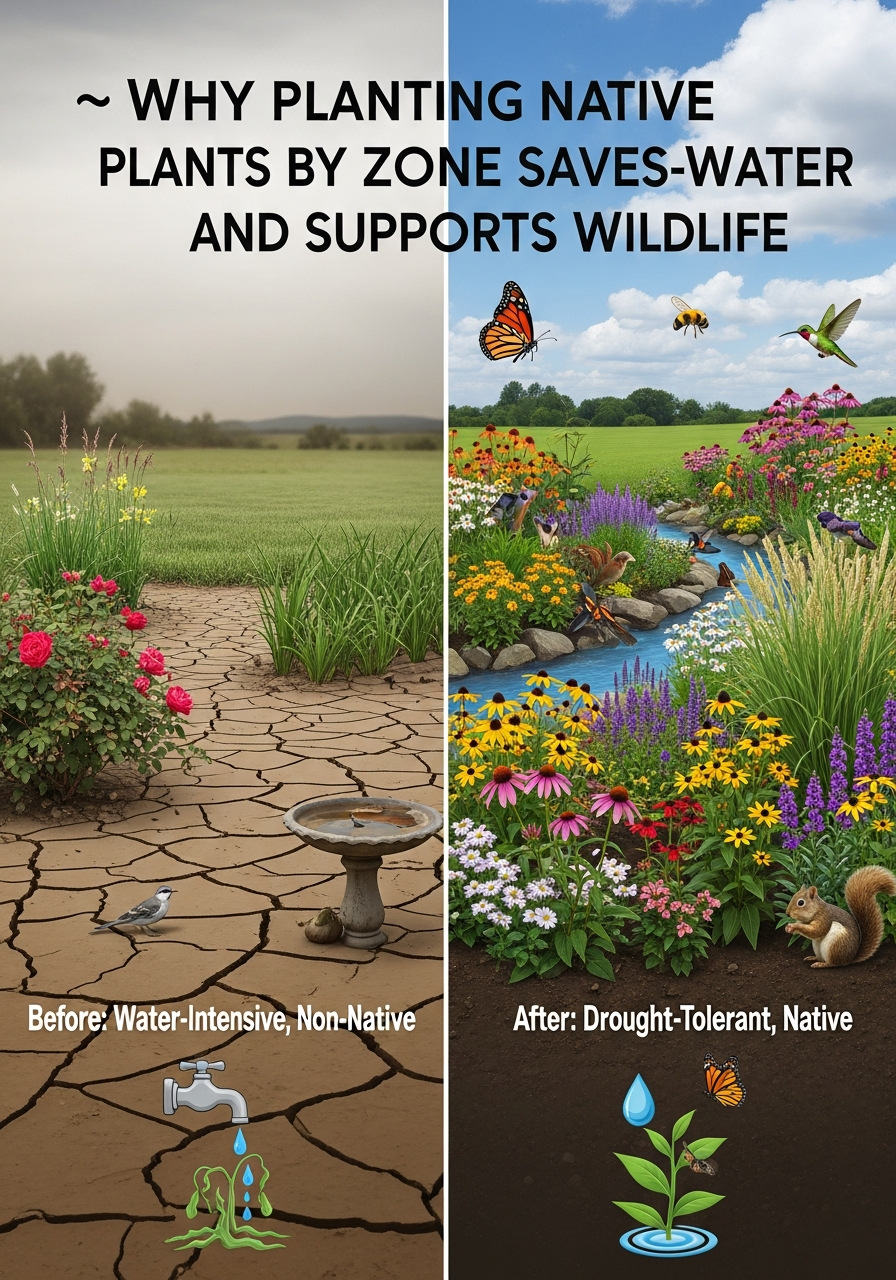
💧🌿 Why Planting Native Plants by Zone Saves Water and Supports Wildlife
As water conservation and habitat loss become growing concerns, homeowners are looking for landscaping solutions that are both beautiful and responsible. One of the most effective choices you can make is planting native plants suited to your USDA hardiness zone. Native plants are naturally adapted to local climates, rainfall patterns, and seasonal changes. When planted …