As water conservation becomes increasingly important, drought-tolerant gardens are no longer just a practical choice—they’re a beautiful one too. With thoughtful design and the right plant selections, you can create a landscape that thrives with minimal water, supports local ecosystems, and looks stunning year-round.
Whether you live in an arid climate or simply want a low-maintenance garden, this guide will walk you through the essentials of designing a drought-tolerant garden.
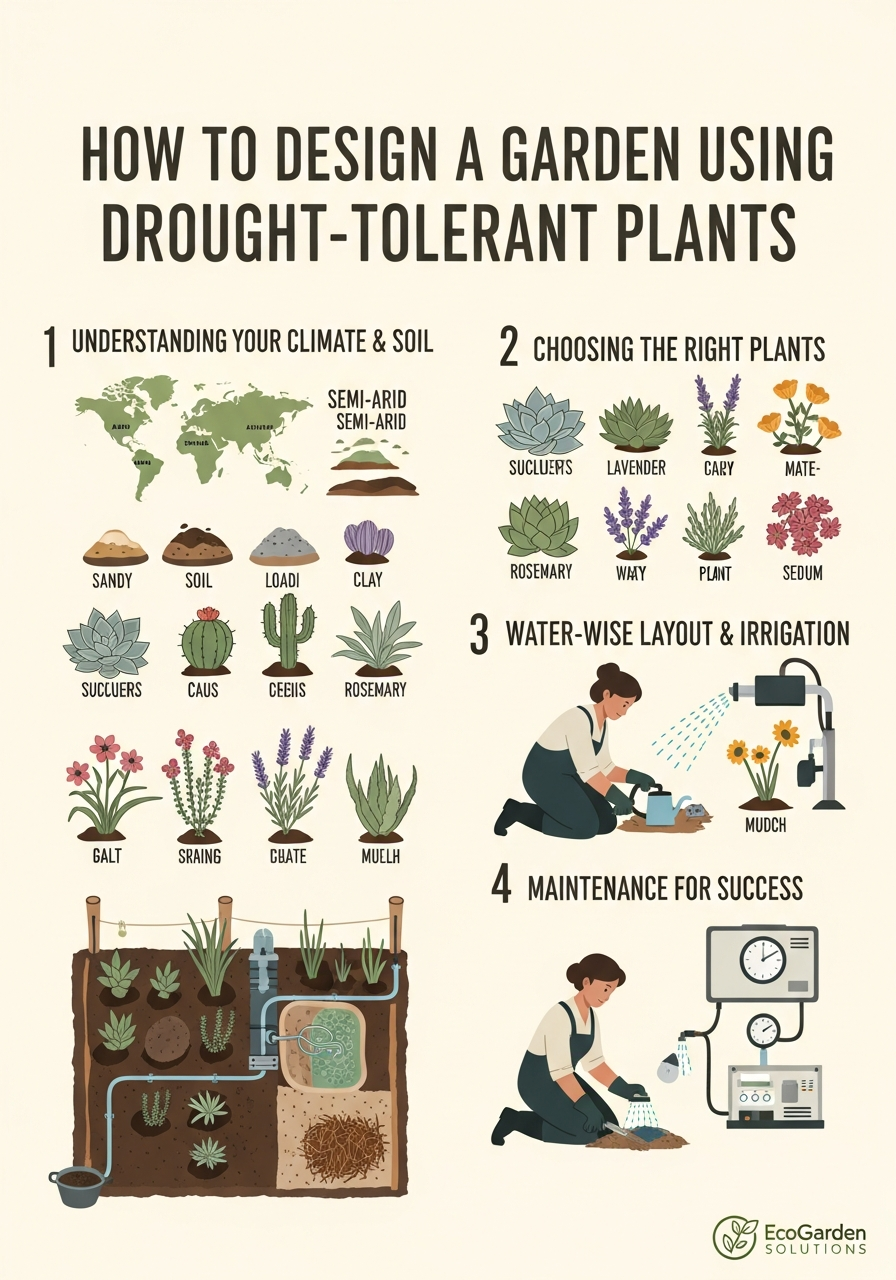
1. Understand Your Climate and Soil
Before choosing plants, take time to understand your local conditions.
- Climate: Note average rainfall, temperature extremes, and seasonal patterns.
- Soil type: Sandy soils drain quickly, while clay holds water longer. Knowing this helps you select plants that will thrive naturally.
- Sun exposure: Observe how much sun different areas of your garden receive throughout the day.
Designing with these factors in mind reduces plant stress and the need for supplemental watering.
2. Choose the Right Drought-Tolerant Plants
Drought-tolerant doesn’t mean dull. Many water-wise plants offer vibrant color, texture, and structure.
Popular choices include:
- Succulents like agave and aloe
- Mediterranean herbs such as lavender, rosemary, and thyme
- Native grasses and wildflowers
- Shrubs like sage, yucca, and bottlebrush
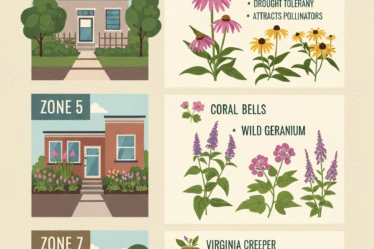
Native plants are especially valuable, as they’re already adapted to local conditions and support pollinators like bees and butterflies.
3. Group Plants by Water Needs
Known as hydrozoning, this technique involves placing plants with similar water requirements together.
- High-water plants (if any) go near the house or irrigation sources
- Low-water plants dominate the rest of the landscape
- This approach prevents overwatering and makes irrigation more efficient
4. Design with Hardscaping in Mind
Hardscape elements reduce water use while adding visual interest.
Consider incorporating:
- Gravel or decomposed granite paths
- Stone borders or retaining walls
- Patios, stepping stones, or dry creek beds
These features break up planting areas and help manage water runoff naturally.
5. Improve Soil and Use Mulch
Healthy soil holds moisture more effectively.
- Mix in compost to improve soil structure
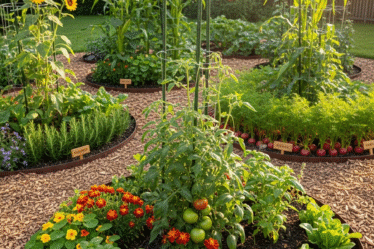
- Apply mulch (gravel, bark, or wood chips) around plants
- Mulch reduces evaporation, regulates soil temperature, and suppresses weeds
For many drought-tolerant gardens, gravel mulch works particularly well and complements the aesthetic.
6. Install Efficient Irrigation
Even drought-tolerant plants need water while establishing.
- Use drip irrigation or soaker hoses to deliver water directly to roots
- Water deeply but infrequently to encourage strong root systems
- Once established, many plants will need little to no supplemental watering
7. Embrace Natural, Low-Maintenance Beauty
A drought-tolerant garden doesn’t need to look formal. Let plants grow into their natural shapes and sizes.
- Mix textures, heights, and colors for visual interest
- Allow seasonal changes—fading blooms and seed heads add character
- Focus on sustainability rather than perfection
Final Thoughts
Designing a garden with drought-tolerant plants is an investment in both beauty and sustainability. By working with your environment instead of against it, you’ll create a landscape that saves water, supports wildlife, and requires less maintenance—while still looking lush and inviting.
With smart planning and the right plants, a water-wise garden can be just as vibrant as any traditional landscape.