Designing a low-water garden is an excellent way to conserve resources, reduce maintenance, and create a resilient landscape. However, many homeowners make common mistakes that can lead to higher water use, struggling plants, and unnecessary expenses. By understanding what not to do, you can design a low-water garden that thrives for years to come.
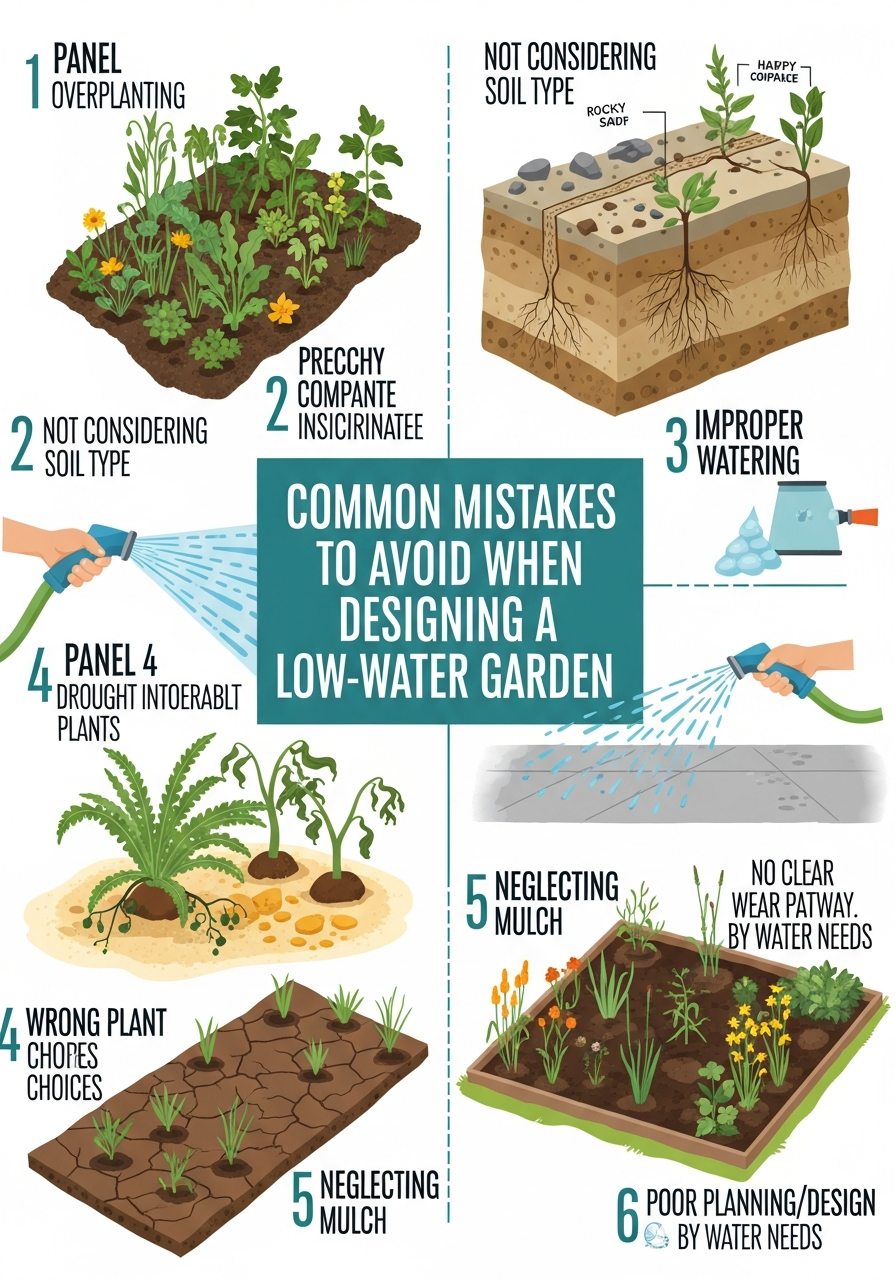
Mistake 1: Choosing the Wrong Plants
One of the most common mistakes is selecting plants based solely on appearance rather than water needs.
Problems include:
- Using non-native or high-water plants
- Mixing plants with very different water requirements
- Assuming all succulents or natives are drought-tolerant
Solution: Choose native or regionally adapted plants and research their specific water requirements before planting.
Image suggestion: A stressed plant next to a healthy drought-tolerant plant.
Mistake 2: Overwatering
Many low-water gardens fail because they are watered like traditional lawns.
Common overwatering issues:
- Shallow, frequent watering
- Automatic sprinklers set too often
- Ignoring seasonal rainfall
Solution: Water deeply but infrequently, especially after plants are established. Use drip irrigation or soaker hoses for better efficiency.
Mistake 3: Poor Soil Preparation
Skipping soil preparation can lead to weak root systems and higher water demand.
Typical soil mistakes include:
- Over-amending soil with fertilizers
- Ignoring drainage issues
- Compacting soil during installation
Solution: Improve soil only as needed and ensure proper drainage. Native plants often prefer less fertile soil.
Mistake 4: Eliminating Mulch
Some gardeners underestimate the importance of mulch in a low-water garden.
Without mulch:
- Soil dries out faster
- Weeds compete for water
- Soil temperature fluctuates
Solution: Apply organic mulch or gravel to retain moisture and protect soil.
Image suggestion: A mulched garden bed compared to bare soil.
Mistake 5: Ignoring Garden Design and Layout
A low-water garden still requires thoughtful design.
Common layout errors:
- Random plant placement
- No clear pathways or zones
- Too many plant varieties
Solution: Group plants with similar water needs (hydrozoning) and repeat plant types for a cohesive, efficient design.
Mistake 6: Removing All Lawn at Once
Eliminating your entire lawn without a plan can be overwhelming and costly.
Solution: Convert your landscape in phases, starting with the most water-intensive areas.
Mistake 7: Expecting Zero Maintenance
Low-water does not mean no maintenance.
Unrealistic expectations may lead to:
- Neglected pruning
- Invasive weeds taking over
- Poor plant health
Solution: Plan for light, seasonal maintenance such as pruning, weeding, and monitoring plant health.
Mistake 8: Using Too Much Hardscape
Excessive concrete or stone can increase heat and reduce soil health.
Solution: Balance hardscape with plants, permeable materials, and shaded areas.
Final Thoughts
Avoiding these common mistakes can make the difference between a struggling landscape and a thriving low-water garden. With proper planning, plant selection, and maintenance, your garden can conserve water, support local ecosystems, and remain beautiful year-round.
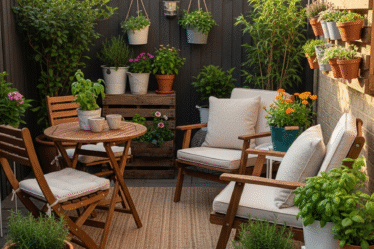
Image suggestion: A well-designed, healthy low-water garden thriving in a dry climate.