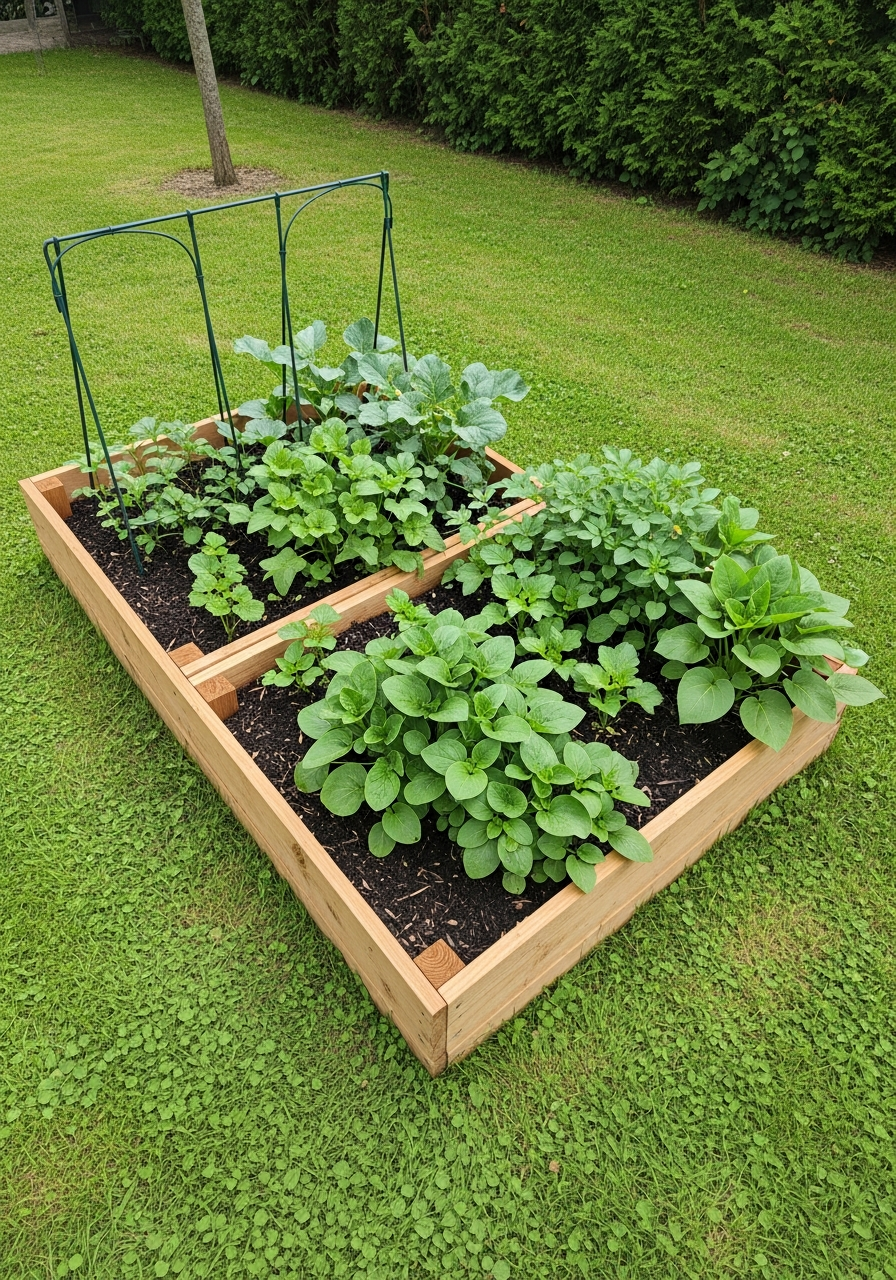
Companion planting is one of the most effective and natural ways to design a productive garden—no matter the size. Whether you’re working with a compact raised bed or a large backyard plot, the right companion planting garden bed layout can improve plant health, reduce pests, and maximize harvests. In this guide, you’ll discover the best companion planting layout ideas for both small and big gardens, along with practical tips to make them work.
What Is Companion Planting?
Companion planting is the practice of growing certain plants together because they benefit one another. These benefits may include pest control, improved soil health, better growth, or increased yields.
Benefits of Companion Planting
- Natural pest deterrence
- Attraction of pollinators and beneficial insects
- Improved plant growth and flavor
- Efficient use of garden space
- Reduced reliance on chemicals
When paired with a thoughtful garden bed layout, companion planting becomes even more powerful.
Key Layout Principles for Any Garden Size
Before choosing a layout, keep these universal principles in mind:
- Place taller plants on the north side to avoid shading
- Group plants with similar water and sunlight needs
- Allow enough space for mature plant size
- Use herbs and flowers as borders for pest control
- Rotate crops each season to maintain soil health
These rules apply whether you have a small or large garden.
Best Companion Planting Layout Ideas for Small Gardens
Small gardens benefit from efficient spacing and vertical growth.
1. Square Foot Companion Planting Layout
Divide the bed into small squares and plant compatible crops together.
Great companions: Lettuce + radishes, carrots + onions
2. Vertical Companion Planting Layout
Grow climbing plants upward to save space.
Great companions: Cucumbers + nasturtiums, beans + corn
3. Mixed Herb and Vegetable Bed
Herbs provide pest protection while taking up minimal space.
Great companions: Tomatoes + basil, peppers + oregano
4. Border Planting Layout
Use the edges of the bed for herbs and flowers.
Great companions: Marigolds, chives, parsley, dill
Best Companion Planting Layout Ideas for Big Gardens
Larger gardens allow more flexibility and diversity.
5. Row-Based Companion Planting Layout
Traditional rows work well for larger spaces and crop rotation.
Great companions: Carrots + onions, lettuce + radishes
6. Block or Zone Planting Layout
Plant crops in blocks instead of rows to reduce weeds and improve airflow.
Great companions: Brassicas + aromatic herbs
7. The Three Sisters Layout
A classic layout combining corn, beans, and squash.
Why it works: Corn supports beans, beans enrich soil, squash shades the ground
8. Dedicated Companion Beds
Assign full beds to compatible plant families.
Examples:
- Tomato bed with basil and marigolds
- Pepper bed with herbs
Universal Companion Planting Combos That Work Anywhere
These combinations are effective in both small and large gardens:
- Tomatoes + basil + marigolds
- Lettuce + radishes
- Carrots + onions
- Cucumbers + nasturtiums
- Beans + corn
They are reliable, beginner-friendly, and proven to work.
Plants to Avoid Planting Together
Some plants compete or attract the same pests.
Poor Companion Pairings
- Tomatoes and potatoes
- Onions and beans
- Cucumbers and sage
- Fennel with most vegetables
Separating these plants improves garden health.
Common Companion Planting Mistakes
- Overcrowding garden beds
- Ignoring mature plant size
- Forgetting crop rotation
- Mixing incompatible plants
Avoiding these mistakes ensures long-term success.
Final Thoughts: Companion Planting for Any Garden Size
The best companion planting garden bed layout ideas work for both small and big gardens when applied thoughtfully. By pairing compatible plants, planning your layout carefully, and adapting strategies to your available space, you can grow healthier plants and enjoy bigger harvests season after season. Companion planting isn’t about garden size—it’s about smart design.
Happy gardening!