Designing a backyard garden bed with companion planting in mind is one of the best ways to increase harvests naturally. By pairing plants that support each other and planning an efficient layout, you can improve soil health, reduce pests, and grow stronger, more productive crops. This guide will show you how to create a backyard companion planting garden bed layout for maximum yield, whether you’re a beginner or an experienced gardener.
What Is Companion Planting?
Companion planting is the practice of growing certain plants together because they benefit one another. These benefits can include pest deterrence, improved growth, better nutrient use, and higher yields.
Benefits of Companion Planting in Backyard Gardens
- Natural pest control
- Improved plant growth and vigor
- Better soil health
- Efficient use of garden space
- Higher and more consistent harvests
When combined with a thoughtful garden bed layout, companion planting becomes a powerful gardening strategy.
Why Garden Bed Layout Matters for Maximum Yield
Even the best plant pairings won’t perform well without a good layout.
Advantages of a Planned Backyard Garden Bed
- Ensures proper sunlight for all plants
- Improves airflow and reduces disease
- Prevents overcrowding and competition
- Makes watering and harvesting easier
- Supports crop rotation
A smart layout helps every plant reach its full potential.
Key Principles for a High-Yield Backyard Garden Bed
Before planting, keep these principles in mind:
- Place taller plants on the north side to avoid shading
- Group plants with similar water and sunlight needs
- Allow enough space for mature plant size
- Use herbs and flowers as borders for pest control
- Improve soil with compost before planting
These basics apply to both raised beds and in-ground backyard gardens.
Best Companion Planting Combinations for Maximum Yield
High-Yield Vegetable Pairings
- Tomatoes + Basil + Marigolds – improves growth and deters pests
- Carrots + Onions – reduces pest damage
- Cucumbers + Nasturtiums – repels aphids and beetles
- Lettuce + Radishes – radishes grow quickly and protect lettuce
- Corn + Beans + Squash – the classic “Three Sisters” method
These combinations are proven to support healthier plants and bigger harvests.
Backyard Garden Bed Layout Ideas
1. Mixed Companion Planting Bed
Instead of planting in straight rows, group compatible plants together to mimic natural growing patterns.
Best for: Medium to large backyard gardens
2. Block Planting Layout
Plant crops in blocks rather than rows to maximize space and reduce weeds.
Best for: Leafy greens, carrots, onions, and herbs
3. Border and Edge Planting Layout
Use the edges of your garden bed for herbs and flowers.
Great border plants: Basil, chives, marigolds, dill
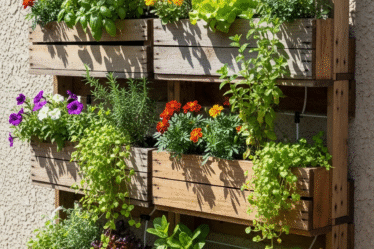
4. Vertical Companion Planting Layout
Grow climbing crops upward using trellises.
Best companions: Cucumbers + nasturtiums, beans + corn
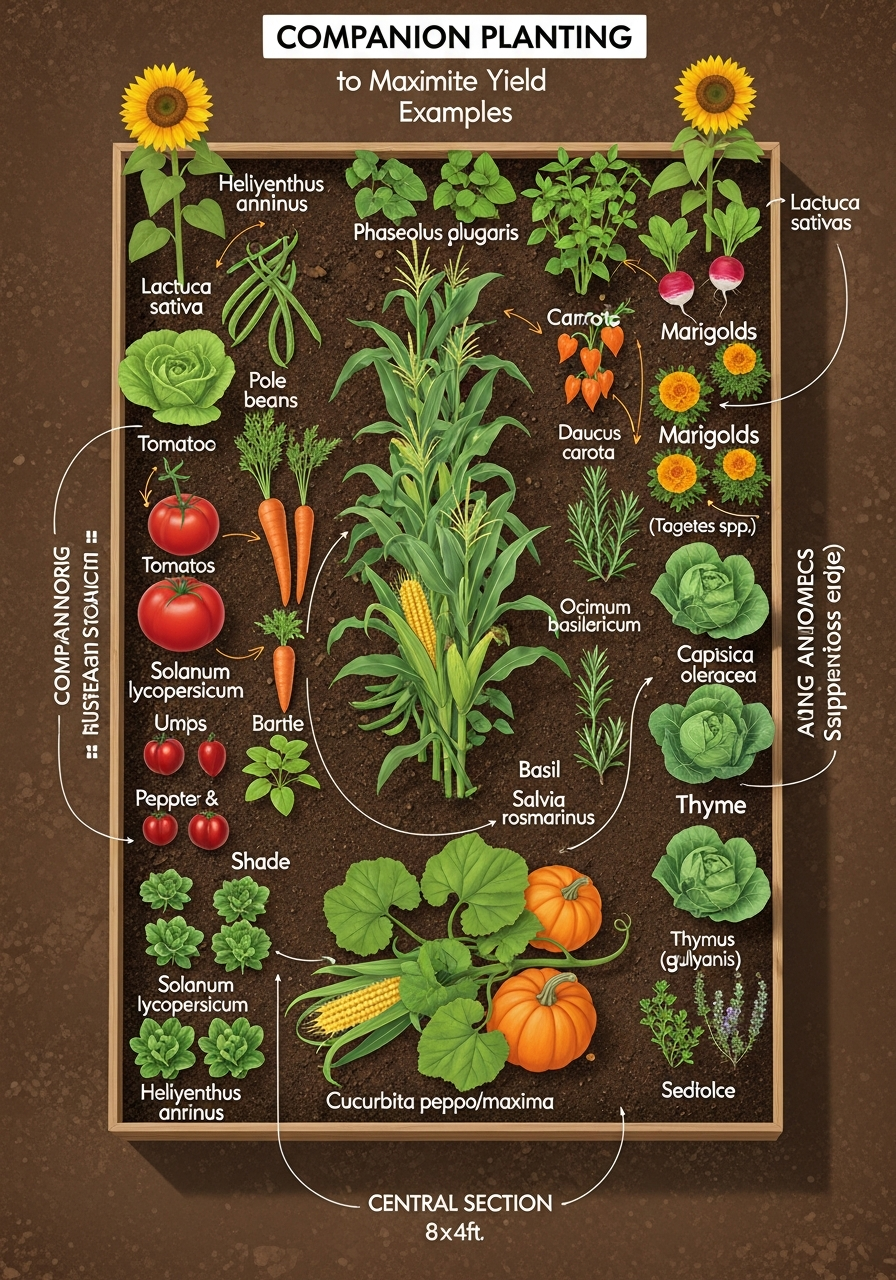
Sample Backyard Companion Planting Garden Bed Layout
Example: 4×8 Backyard Garden Bed
- North side: Tomatoes with basil and marigolds
- Middle section: Peppers and onions
- South side: Lettuce, spinach, and radishes
- Edges: Chives, parsley, or dill
This layout maximizes sunlight, airflow, and plant compatibility.
Plants to Avoid Planting Together
Some plants compete or attract the same pests.
Avoid These Combinations
- Tomatoes and potatoes
- Onions and beans
- Cucumbers and sage
- Fennel with most vegetables
Separating incompatible plants helps protect yields.
Maintenance Tips to Maximize Yield
- Rotate crops each season
- Mulch to retain moisture and suppress weeds
- Water consistently
- Monitor plants for pests regularly
- Amend soil annually with compost
Healthy maintenance supports long-term productivity.
Common Mistakes That Reduce Yield
- Overcrowding plants
- Ignoring mature plant size
- Poor garden bed planning
- Forgetting crop rotation
Avoiding these mistakes helps your garden thrive.
Final Thoughts: Grow More with Companion Planting
A well-designed backyard companion planting garden bed layout for maximum yield allows you to work with nature instead of against it. By pairing compatible plants, planning your layout carefully, and maintaining healthy soil, you can enjoy bigger harvests, fewer pests, and a more productive backyard garden season after season.
Happy gardening!