As water shortages and climate extremes become more common, sustainable landscaping is no longer just a trend—it’s a necessity. One of the most effective ways to create an eco-friendly, low-maintenance yard is by planting native drought-tolerant plants.
Native plants evolved to thrive in local climates, soils, and rainfall patterns. When those plants are also drought tolerant, they require significantly less water, support wildlife, and help restore natural ecosystems—making them the foundation of truly sustainable landscapes.
🌎 Why Native Drought-Tolerant Plants Matter
Native drought-tolerant plants offer multiple environmental benefits:
- 💧 Reduced irrigation needs
- 🌱 Deep roots that improve soil health
- 🦋 Support for native pollinators and wildlife
- 🌎 Lower carbon footprint from reduced maintenance
- ✂️ Minimal fertilizers and chemicals
💧 How Native Plants Conserve Water
Adapted to Natural Rainfall
Native plants are built to survive on the rainfall typical to their region. Once established, many thrive with little or no supplemental watering.
- Deep root systems access moisture below the surface
- Reduced evaporation compared to turf grass
- Better drought resilience
Improved Soil Structure
Native plants help build healthy soil that absorbs and retains water more efficiently.
- Roots reduce compaction
- Increased organic matter over time
- Improved infiltration and less runoff
🌸 Top Native Drought-Tolerant Perennials
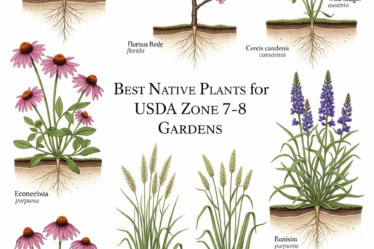
Purple Coneflower (Echinacea purpurea)
A hardy native perennial that thrives in sunny, dry conditions.
Why it’s sustainable:
- Minimal watering needs
- Long bloom season
- Attracts bees and butterflies
Yarrow (Achillea millefolium)
This adaptable native perennial thrives in poor soil and drought.
Why it’s sustainable:
- Extremely low water requirements
- Supports beneficial insects
- Excellent groundcover
Blanket Flower (Gaillardia pulchella)
A tough, colorful native that blooms even during drought.
Why it’s sustainable:
- Thrives in heat
- Requires little maintenance
- Provides nectar for pollinators
🌾 Native Drought-Tolerant Grasses
Little Bluestem (Schizachyrium scoparium)
This native grass adds structure and year-round interest.
Why it’s sustainable:
- Deep roots prevent erosion
- Minimal irrigation
- Provides wildlife habitat
Blue Grama (Bouteloua gracilis)
A low-growing native grass ideal for xeriscaping.
Why it’s sustainable:
- Very low water needs
- Replaces traditional lawns
- Supports native insects
🌳 Native Drought-Tolerant Shrubs & Trees
Serviceberry (Amelanchier spp.)
Once established, serviceberry tolerates dry conditions while supporting birds and pollinators.
Why it’s sustainable:
- Multi-season interest
- Edible berries for wildlife
- Minimal care required
Desert Willow (Chilopsis linearis)
A standout native tree for hot, dry climates.
Why it’s sustainable:
- Extremely drought tolerant
- Provides shade and habitat
- Attracts hummingbirds
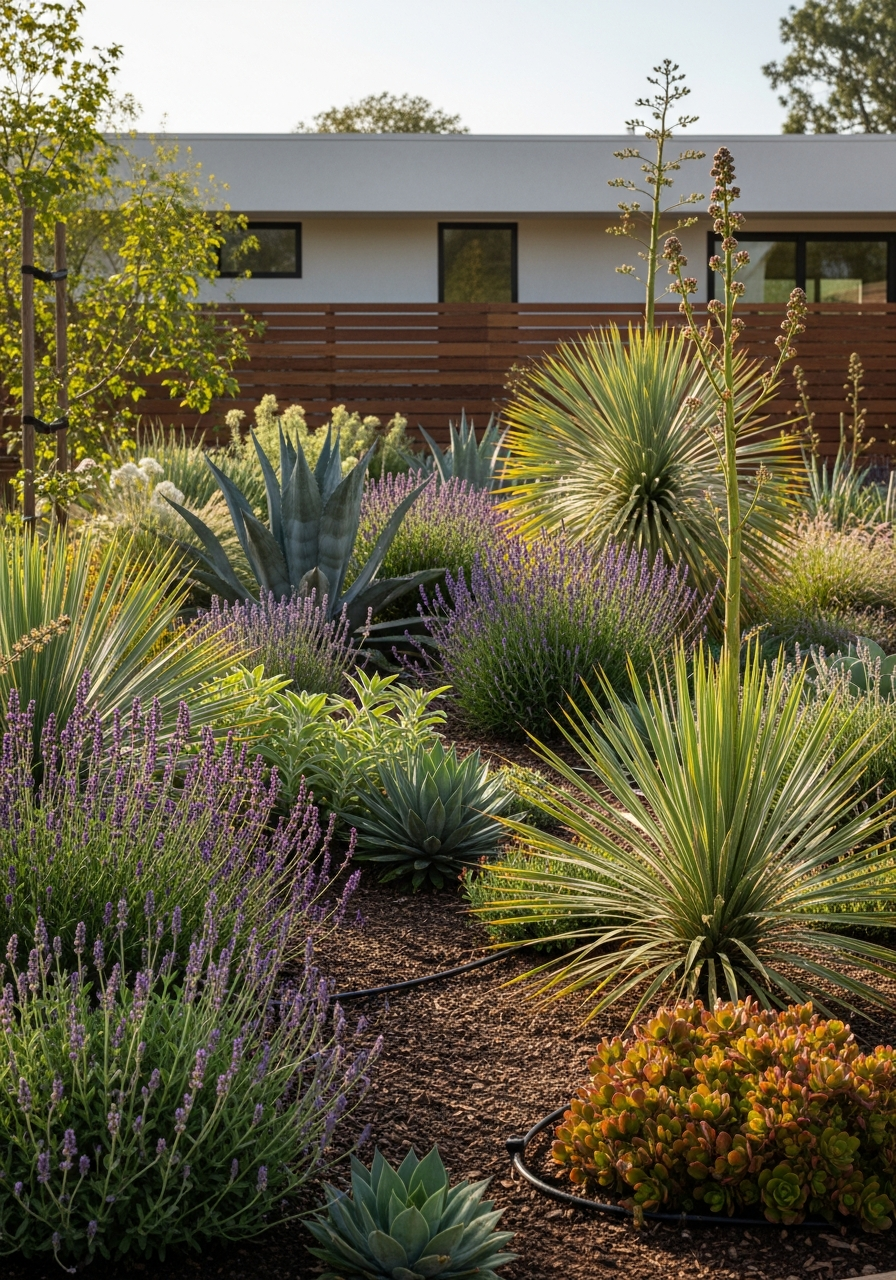
🌿 Designing a Sustainable Native Landscape
- 💧 Water deeply only during establishment
- 🌱 Group plants by water needs
- 🪨 Use mulch or gravel to reduce evaporation
- ✂️ Leave seed heads and grasses through winter
- 🐝 Avoid pesticides to protect pollinators
🌻 Final Thoughts
Native drought-tolerant plants are the cornerstone of sustainable landscaping. They conserve water, support wildlife, and thrive with minimal maintenance—all while creating beautiful, resilient outdoor spaces.
By choosing native plants that naturally belong in your region, you’re not just planting a garden—you’re restoring a piece of the local ecosystem.