Designing a low-water garden using native plants is one of the smartest and most sustainable landscaping choices you can make. Native plants are naturally adapted to local climate conditions, meaning they require less water, fewer chemicals, and minimal maintenance—while still delivering beauty, texture, and seasonal interest.
What Is a Low-Water Native Garden?
A low-water native garden focuses on plants that evolved in your region and can thrive with natural rainfall once established. Instead of forcing water-intensive plants to survive, this approach works with nature rather than against it.
Benefits include:
- Significant water savings
- Improved soil health
- Support for pollinators and wildlife
- Reduced maintenance and costs
- A landscape that reflects your local environment
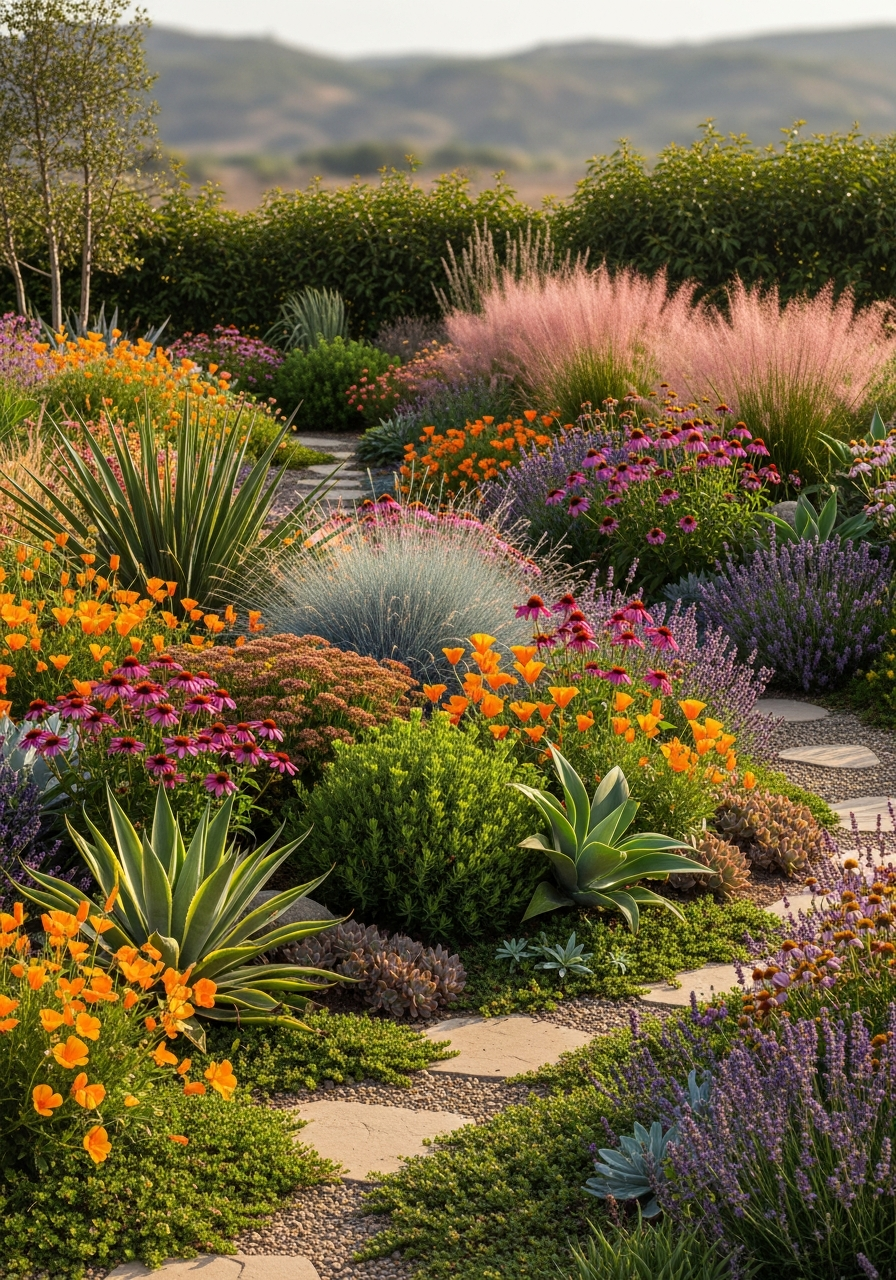
Image suggestion: A vibrant native garden with flowering plants, grasses, and pollinators.
Step 1: Understand Your Local Ecosystem
Before choosing plants, learn about your region’s natural conditions:
- Average annual rainfall
- Temperature extremes
- Soil type and drainage
- Native plant communities
Local extension offices, native plant societies, and botanical gardens are excellent resources for identifying appropriate species.
Step 2: Plan with Hydrozoning
Hydrozoning is the practice of grouping plants with similar water needs together. Even within a low-water garden, some plants may require occasional irrigation while others thrive on rainfall alone.
Typical zones include:
- Very low water: Established natives, shrubs, grasses
- Low water: Flowering perennials and accent plants
- Moderate water: Plants near the home or focal areas
This strategy maximizes efficiency and prevents overwatering.
Image suggestion: A simple garden layout diagram showing hydrozones.
Step 3: Choose the Right Native Plants
Selecting region-appropriate native plants is the heart of your design. While choices vary by location, common categories include:
- Native grasses: Provide movement and structure
- Perennials: Offer seasonal color and pollinator support
- Shrubs: Create privacy, shade, and year-round interest
- Ground covers: Reduce weeds and replace turf
Examples (vary by region):
- Coneflower, yarrow, and black-eyed Susan
- Native sages and salvias
- Switchgrass and little bluestem
- Manzanita or serviceberry shrubs
Image suggestion: Close-up photos of native plants in bloom.
Step 4: Design for Function and Beauty
A low-water garden can be just as visually appealing as a traditional landscape. Design principles to follow:
- Layer plants by height for depth and balance
- Mix textures and foliage colors
- Use repetition for cohesion
- Incorporate natural elements like rocks, logs, and boulders
Paths made of gravel, stone, or decomposed granite add structure while conserving water.
Step 5: Improve Soil Naturally
Native plants typically prefer soil that mimics natural conditions. Avoid over-amending soil, as overly rich soil can weaken native plants.
Best practices include:
- Light compost additions only if needed
- Avoid synthetic fertilizers
- Allow leaf litter to remain as natural mulch
Healthy soil encourages deep roots and drought resilience.
Step 6: Use Efficient Irrigation (When Needed)
While native plants require minimal watering once established, young plants need support during their first year.
Recommended options:
- Drip irrigation systems
- Soaker hoses
- Temporary hand watering during establishment
Gradually reduce watering to encourage plants to adapt fully.
Step 7: Mulch for Moisture Retention
Mulching is essential in low-water garden design. Benefits include:
- Reduced evaporation
- Weed suppression
- Soil temperature regulation
Use natural mulch like wood chips or leaf litter, or decorative gravel where appropriate.
Image suggestion: Mulched garden bed with native plants and stone accents.
Maintenance Tips for Long-Term Success
Low-water native gardens are not maintenance-free, but they are low-maintenance:
- Prune seasonally, not excessively
- Remove invasive weeds early
- Allow plants to self-seed naturally
- Observe how plants respond to rainfall
Over time, the garden becomes increasingly resilient and self-sustaining.
Final Thoughts
Low-water garden design using native plants creates a landscape that is beautiful, practical, and environmentally responsible. By embracing plants that belong in your region, you’ll save water, support biodiversity, and enjoy a garden that thrives with minimal effort.
Image suggestion: A mature native garden with layered plants, flowers, and natural pathways.