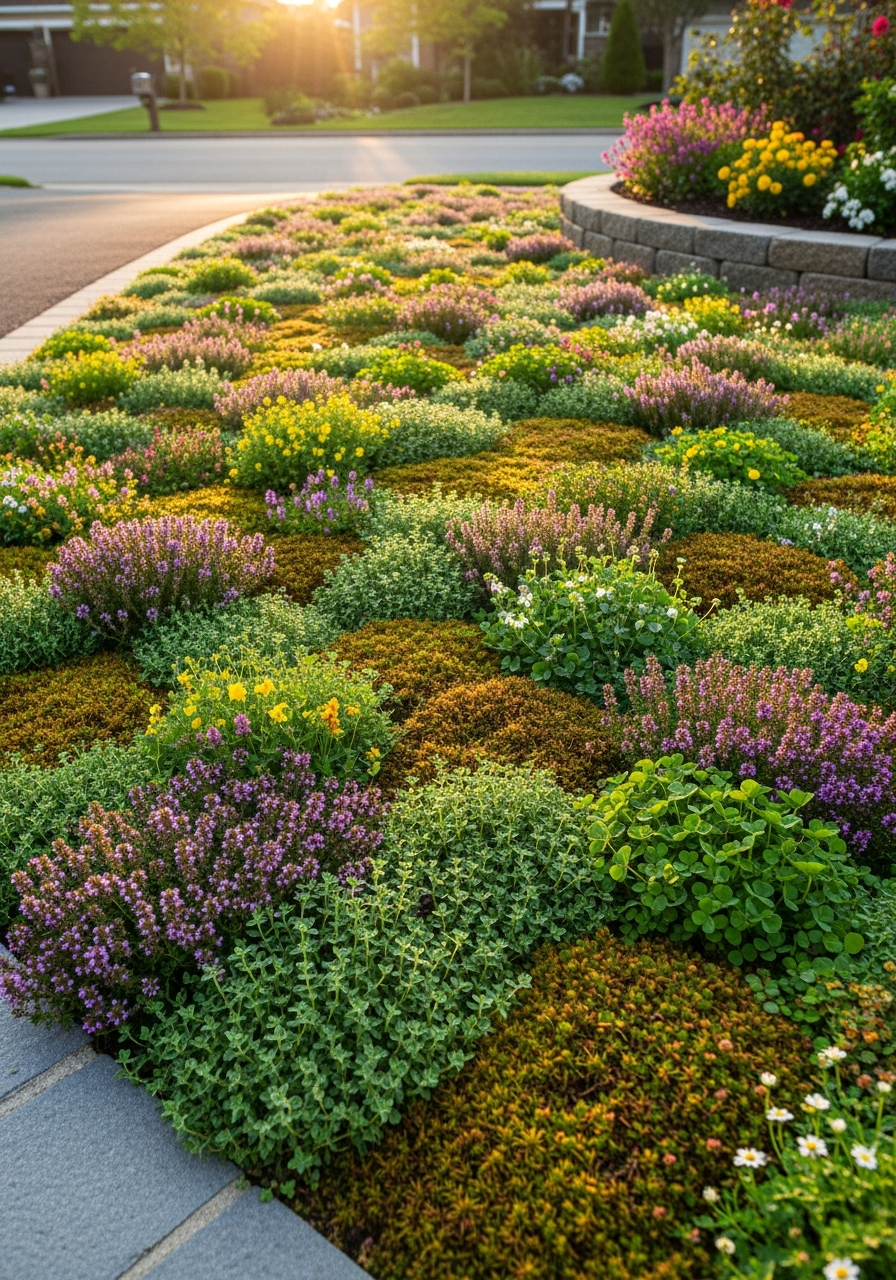
If you’re looking for a lawn that looks beautiful without constant mowing, watering, or chemical treatments, native plant no-mow lawns are the answer. By replacing traditional turf grass with native ground covers and grasses, you can create a resilient, low-maintenance landscape that thrives naturally—without fertilizers, pesticides, or herbicides.
Native no-mow lawns are not only easier to care for, but they also support pollinators, improve soil health, and reduce your environmental footprint.
What Is a Native Plant No-Mow Lawn?
A native no-mow lawn uses plants indigenous to your region instead of conventional turf grass. These plants evolved to thrive in local soil, climate, and rainfall conditions, which means they require minimal maintenance once established.
Unlike traditional lawns, native lawns:
- Don’t need weekly mowing
- Require little to no supplemental watering
- Thrive without chemical inputs
Why Choose Native Plants for a No-Mow Lawn?
Native plant lawns offer major advantages:
- No chemical fertilizers or pesticides
- Extremely low water needs
- Deep root systems that improve soil
- Better resistance to pests and disease
- Support bees, butterflies, and wildlife
- Reduced maintenance and long-term costs
They work with nature instead of against it.
Best Native Plants for No-Mow Lawns
Note: Always choose species native to your specific region for best results.
1. Buffalo Grass (Native Prairie Grass)
Best for: Sunny, dry climates
Why it works:
- Grows low and dense
- Needs mowing only 1–2 times per year
- Thrives without fertilizer
- Extremely drought tolerant
Perfect for homeowners who want a traditional lawn look—without the work.
2. Blue Grama Grass
Best for: Open, sunny areas
Why it works:
- Native to North American prairies
- Slow-growing and clump-forming
- Handles poor soil and heat
- Requires minimal irrigation
Often paired with buffalo grass for a mixed native lawn.
3. Native Sedum (Stonecrop)
Best for: Hot, dry, or rocky soils
Why it works:
- No mowing required
- Extremely drought tolerant
- Low-growing and colorful
- Thrives in poor soil
Great for modern landscapes and borders.
4. Wild Strawberry (Native Ground Cover)
Best for: Partial sun to sun
Why it works:
- Spreads naturally to fill space
- Soft, walkable surface
- Produces small edible berries
- Attracts pollinators
Ideal for family-friendly, natural lawns.
5. Native Clover Varieties
Best for: Most climates
Why it works:
- Naturally fertilizes soil
- Suppresses weeds
- Requires little mowing
- Stays green longer than grass
Native clovers outperform non-native turf mixes.
6. Moss (Native to Woodland Areas)
Best for: Shady, damp areas
Why it works:
- No mowing or fertilizing
- Thrives where grass fails
- Lush, green appearance
- Perfect for woodland gardens
Moss lawns are ideal for low-light yards.
How to Transition to a Native No-Mow Lawn
Step 1: Remove Existing Turf
- Smother grass with cardboard or solarize
- Avoid chemical herbicides
Step 2: Improve Soil (Lightly)
- Remove debris
- Avoid over-amending—native plants prefer native soil
Step 3: Plant Native Seeds or Plugs
- Use seed mixes designed for your region
- Water regularly during establishment
Step 4: Mulch & Wait
- Mulch lightly to reduce weeds
- Be patient—native lawns fill in over time
Maintenance: What Native No-Mow Lawns Actually Need
Once established, maintenance is minimal:
- Occasional hand-weeding during first year
- Little to no watering after establishment
- Optional annual trim or mow
- No fertilizers or chemicals
After year one, native lawns largely care for themselves.
Native No-Mow Lawn vs Traditional Grass
| Feature | Native No-Mow Lawn | Traditional Lawn |
|---|---|---|
| Mowing | Rare or never | Weekly |
| Water | Very low | High |
| Fertilizer | None | Required |
| Chemicals | None | Common |
| Pollinator Friendly | Yes | No |
| Long-Term Cost | Low | High |
Common Questions About Native No-Mow Lawns
Do native lawns look messy?
No—when designed intentionally, they look natural and beautiful.
Can I walk on a native lawn?
Yes, especially with grasses like buffalo grass and clover.
How long do they take to establish?
Typically 1–2 growing seasons.
Final Thoughts
Native plant no-mow lawns are one of the most sustainable and low-effort ways to create a healthy, attractive yard. By choosing plants that naturally belong in your region, you eliminate the need for chemicals, reduce maintenance, and create a living landscape that benefits both you and the environment.
Less mowing. No chemicals. More nature 🌱🦋
Want More No-Mow & Eco-Friendly Yard Ideas?
Follow us for sustainable landscaping tips, native plant guides, and low-maintenance outdoor inspiration.
😊