
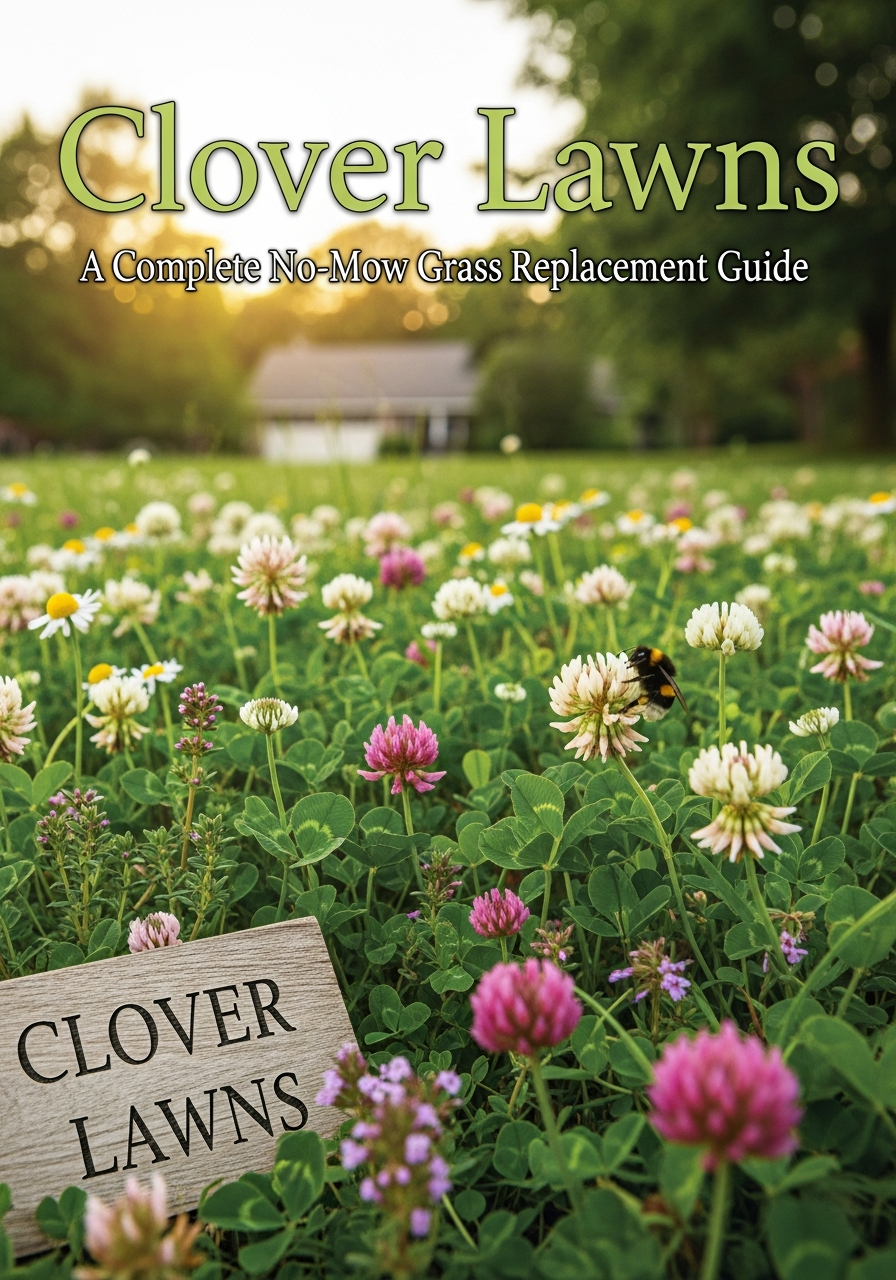
If you want a green, lush lawn without constant mowing, watering, or fertilizing, a clover lawn may be the perfect solution. Clover is one of the most popular no-mow grass alternatives, offering a low-maintenance, eco-friendly, and budget-conscious way to replace traditional turf grass.
This complete guide covers everything you need to know—from benefits and types of clover to planting, care, and common questions.
What Is a Clover Lawn?
A clover lawn replaces (or mixes with) traditional grass using clover plants, most commonly white clover or microclover. Clover grows low to the ground, spreads naturally, and stays green even in challenging conditions.
Why Choose a Clover Lawn?
Clover lawns offer major advantages over traditional grass:
- Little to no mowing
- Requires far less water
- Naturally fertilizes soil
- Stays green in drought conditions
- Attracts pollinators
- Soft underfoot
- Resistant to pests and disease
It’s an excellent choice for homeowners who want a beautiful lawn with less effort.
Types of Clover for Lawns
1. White Clover
- Most common and affordable
- Grows slightly taller
- Produces visible white flowers
2. Microclover
- Shorter, denser growth
- Fewer flowers
- Looks more like traditional grass
- Often mixed with turf grass
Best choice: Microclover for a classic lawn look, white clover for maximum low maintenance.
Pros and Cons of Clover Lawns
✅ Pros
- No fertilizer needed
- Naturally improves soil health
- Tolerates poor soil
- Reduces weeds
- Lower long-term costs
❌ Cons
- Flowers may attract bees
- Can go dormant in extreme heat or cold
- Not ideal for very high foot traffic
- May require reseeding in bare spots
How to Plant a Clover Lawn
Step 1: Prepare the Area
- Remove existing grass or mow very short
- Loosen the soil and remove debris
Step 2: Spread Clover Seed
- Use a broadcast spreader or hand-seed
- Mix seed with sand for even coverage
Step 3: Lightly Rake & Water
- Lightly rake seed into soil
- Water daily until germination (7–14 days)
Step 4: Establish
- Reduce foot traffic during the first few weeks
Best Time to Plant Clover
- Spring: After last frost
- Fall: Early fall before first frost
Clover prefers mild temperatures and moist soil during establishment.
Clover Lawn Care & Maintenance
One of the biggest benefits of clover is how little care it needs:
- Mow 1–2 times per year (optional)
- Water only during extended drought
- No fertilizer required
- Overseed bare spots as needed
For fewer flowers, mow occasionally during bloom season.
Is Clover Safe for Kids & Pets?
Yes! Clover is:
- Non-toxic
- Soft for play
- Naturally pest-resistant
- Chemical-free
Just be mindful of bees if your lawn flowers frequently.
Clover Lawn vs Grass Lawn
| Feature | Clover Lawn | Grass Lawn |
|---|---|---|
| Mowing | Rare | Weekly |
| Watering | Low | High |
| Fertilizer | None | Required |
| Cost | Low | Ongoing |
| Eco-Friendly | Yes | Less |
Common Clover Lawn Questions
Will clover take over my yard?
Clover spreads but is easy to control with mowing or edging.
Does clover die in winter?
It may go dormant but returns in spring.
Can I mix clover with grass?
Yes! Microclover blends beautifully with turf grass.
Final Thoughts
A clover lawn is one of the easiest and most affordable ways to create a no-mow, low-maintenance yard that looks great and benefits the environment. Whether you fully replace your grass or blend clover into your existing lawn, you’ll enjoy less work, lower costs, and a greener footprint.
Less mowing. More living 🌱🍀
Want More No-Mow Lawn & Eco-Friendly Yard Ideas?
Follow us for low-maintenance landscaping tips, budget-friendly garden projects, and sustainable outdoor inspiration.