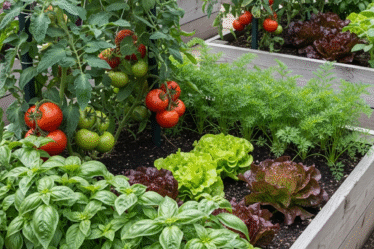
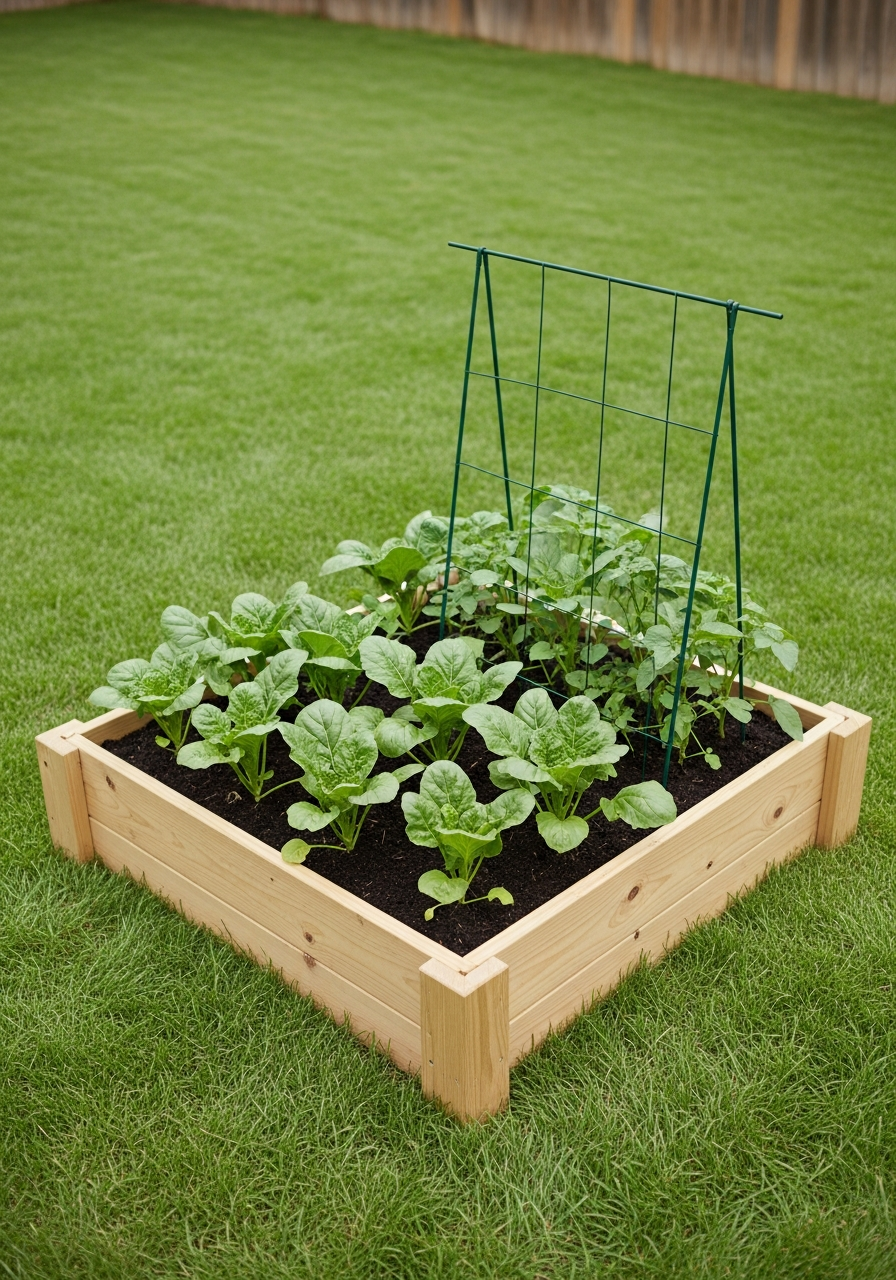
Think you need a big backyard to grow fresh vegetables? Think again. A 2×4 garden bed may be small, but when planned with companion planting, it can deliver healthy plants and impressive harvests. Whether you’re gardening on a patio, balcony, or in a tight backyard, this guide shows exactly how to make a small space work harder with a simple 2×4 companion planting layout.
Why a 2×4 Garden Bed Is Perfect for Small Gardens
A 2×4 raised bed is one of the most beginner-friendly and space-efficient garden options available.
Benefits of a 2×4 Garden Bed
- Fits patios, balconies, and tiny yards
- Easy to reach and maintain
- Uses less soil and water
- Ideal for focused companion planting
- Perfect for beginners and urban gardeners
With the right layout, a small bed can be incredibly productive.
What Is Companion Planting?
Companion planting is the practice of growing plants together that naturally support each other. Some plants repel pests, others improve growth, and some help maximize space.
Why Companion Planting Works in Small Beds
- Reduces pests naturally
- Improves plant health
- Prevents wasted space
- Encourages steady harvests
In a 2×4 bed, companion planting helps every plant pull its weight.
Simple Rules for a Successful 2×4 Layout
Before planting, keep these small-garden rules in mind:
- Choose compact or bush varieties
- Avoid overcrowding
- Place taller plants at the back or north side
- Mix shallow-rooted and deep-rooted plants
- Use herbs and flowers for pest control
These basics prevent competition and support healthy growth.
The Best 2×4 Companion Planting Layout (Step-by-Step)
Back / North Side: Main Crop
- 1 compact tomato OR 2 pepper plants
- Basil planted around the base
Why it works: The main crop uses vertical space, while basil helps repel pests and boost growth.
Middle Section: Space Fillers
- Leafy greens (lettuce or spinach)
- Green onions planted between greens
Why it works: Greens grow quickly and thrive in partial shade created by taller plants.
Front / South Side: Fast Harvest Crops
- Radishes interplanted throughout
Why it works: Radishes mature fast, loosen soil, and are harvested before other plants need more room.
Edges & Corners: Natural Protection
- Chives or marigolds
Why it works: These companions deter pests and attract beneficial insects without taking up valuable space.
Visual Layout Summary
- Back/North: Tomato or peppers + basil
- Middle: Lettuce/spinach + green onions
- Front/South: Radishes
- Edges: Chives or marigolds
This layout balances plant height, root depth, and harvest timing.
Plants to Avoid in a Small 2×4 Bed
Because space is limited, avoid these combinations:
- Tomatoes and potatoes
- Onions and beans
- Cucumbers and sage
- Fennel with most vegetables
In small beds, incompatible plants can quickly reduce yields.
Soil and Watering Tips for Small Gardens
- Use high-quality raised bed soil mixed with compost
- Water consistently—small beds dry out faster
- Mulch lightly to retain moisture
- Feed plants every 2–3 weeks with organic fertilizer
Healthy soil is essential in compact gardens.
Common Small-Garden Mistakes to Avoid
- Overcrowding plants
- Choosing large, sprawling varieties
- Ignoring mature plant size
- Inconsistent watering
Keeping things simple leads to better results.
Final Thoughts: Small Garden, Smart Layout
A 2×4 companion planting layout proves that you don’t need a large garden to grow fresh, healthy vegetables. With smart plant pairings and a simple plan, even the smallest garden can be productive, beautiful, and rewarding.
If you’re short on space, start small—and plant smart.
Happy gardening!