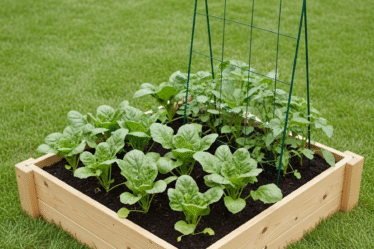
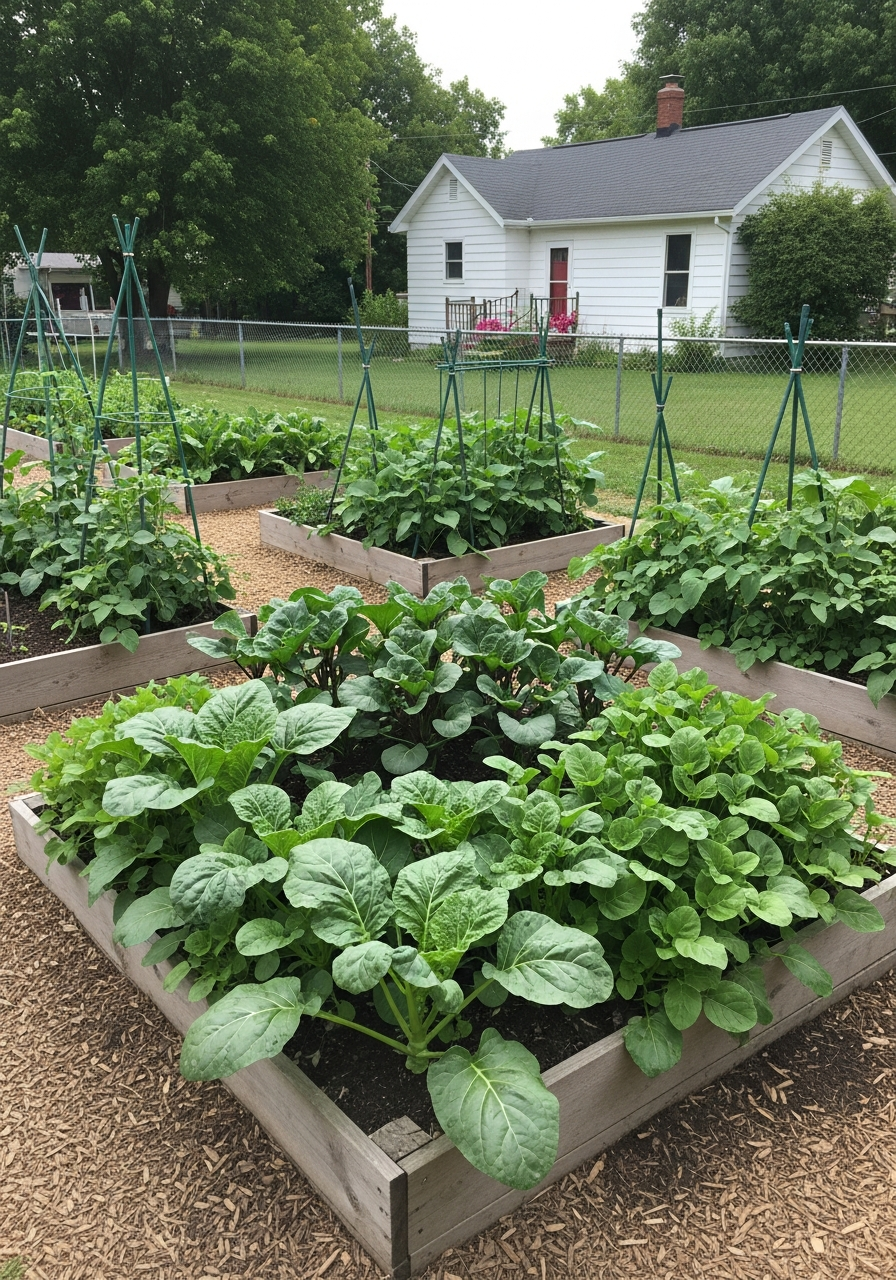
Companion planting is one of the smartest ways to design a productive and healthy garden. By arranging plants that naturally support one another, you can improve growth, deter pests, attract pollinators, and make better use of your garden bed space. Whether you’re gardening in raised beds or traditional backyard plots, these 10 smart companion planting garden bed layout ideas will help you achieve a stronger, more abundant harvest.
What Is Companion Planting?
Companion planting is the practice of growing compatible plants together so they benefit each other. Some plants repel pests, others enrich the soil, and some improve flavor or growth when planted nearby.
Benefits of Companion Planting
- Natural pest control
- Healthier plants
- Improved soil quality
- Better space efficiency
- Higher vegetable yields
A thoughtful garden bed layout allows companion planting to work at its best.
1. Tomato, Basil, and Marigold Garden Bed
This classic companion planting combination improves tomato flavor and repels common pests.
Layout tip: Place tomatoes in the center or north side, surround with basil, and edge the bed with marigolds.
2. Carrot and Onion Garden Bed Layout
Onions repel carrot flies, while carrots help break up the soil.
Layout tip: Alternate rows or blocks of carrots and onions for even coverage.
3. Lettuce and Radish Companion Layout
Radishes grow quickly and help protect lettuce from pests.
Layout tip: Interplant radishes between lettuce rows to maximize space and harvest early.
4. Cucumber and Nasturtium Garden Bed
Nasturtiums repel aphids and beetles while attracting pollinators.
Layout tip: Grow cucumbers on a trellis with nasturtiums planted along the edges.
5. The Three Sisters Layout (Corn, Beans, Squash)
This traditional method uses corn for support, beans to fix nitrogen, and squash to shade the soil.
Layout tip: Plant corn in blocks, add beans once corn is established, and plant squash around the base.
6. Pepper and Herb Companion Bed
Herbs like basil and oregano improve pepper growth and repel pests.
Layout tip: Plant peppers in the center with herbs spaced around them.
7. Cabbage Family and Aromatic Herbs Layout
Herbs like rosemary and thyme deter cabbage moths and pests.
Layout tip: Surround brassicas (cabbage, broccoli) with aromatic herbs.
8. Spinach and Strawberry Garden Bed
Spinach provides ground cover while strawberries benefit from pest deterrence.
Layout tip: Plant spinach between strawberry plants for efficient use of space.
9. Bean and Corn Companion Layout
Beans improve soil nitrogen levels, benefiting heavy feeders like corn.
Layout tip: Interplant beans between corn rows once corn is tall enough.
10. Mixed Herb Border for Any Garden Bed
Herbs like chives, parsley, and dill attract beneficial insects and repel pests.
Layout tip: Use herbs as borders around vegetable beds for all-around protection.
Plants to Avoid Planting Together
Even with smart planning, some plants should be kept apart:
- Tomatoes and potatoes
- Onions and beans
- Cucumbers and sage
- Fennel with most vegetables
Avoiding these combinations helps prevent disease and poor growth.
Tips for Designing a Successful Companion Planting Garden Bed
- Place taller plants on the north side
- Avoid overcrowding
- Group plants with similar water needs
- Rotate crops each season
- Enrich soil with compost
Proper planning makes companion planting more effective.
Final Thoughts: Grow Smarter with Companion Planting
Using smart companion planting garden bed layout ideas is a natural and effective way to grow a healthy, productive garden. By pairing compatible plants and designing your beds thoughtfully, you’ll enjoy fewer pests, stronger plants, and bigger harvests—all without relying on chemicals.
Happy gardening!