Planning a vegetable garden layout is one of the most important steps toward a healthy and productive harvest. When you incorporate companion planting into your garden plan, you can naturally improve plant growth, reduce pests, and make better use of your space. This guide will show you how to plan a vegetable garden layout using companion planting principles, whether you’re gardening in raised beds, in-ground plots, or small spaces.
Why Planning Your Vegetable Garden Layout Matters
A thoughtful garden layout helps every plant get what it needs to thrive.
Benefits of a Well-Planned Garden Layout
- Better sunlight distribution
- Improved airflow and plant health
- Fewer pest and disease problems
- Easier watering and harvesting
- Higher yields in less space
Adding companion planting takes these benefits even further.
What Is Companion Planting?
Companion planting is the practice of growing certain plants together because they support each other. Some plants repel pests, others attract beneficial insects, and some enhance growth or flavor when planted nearby.
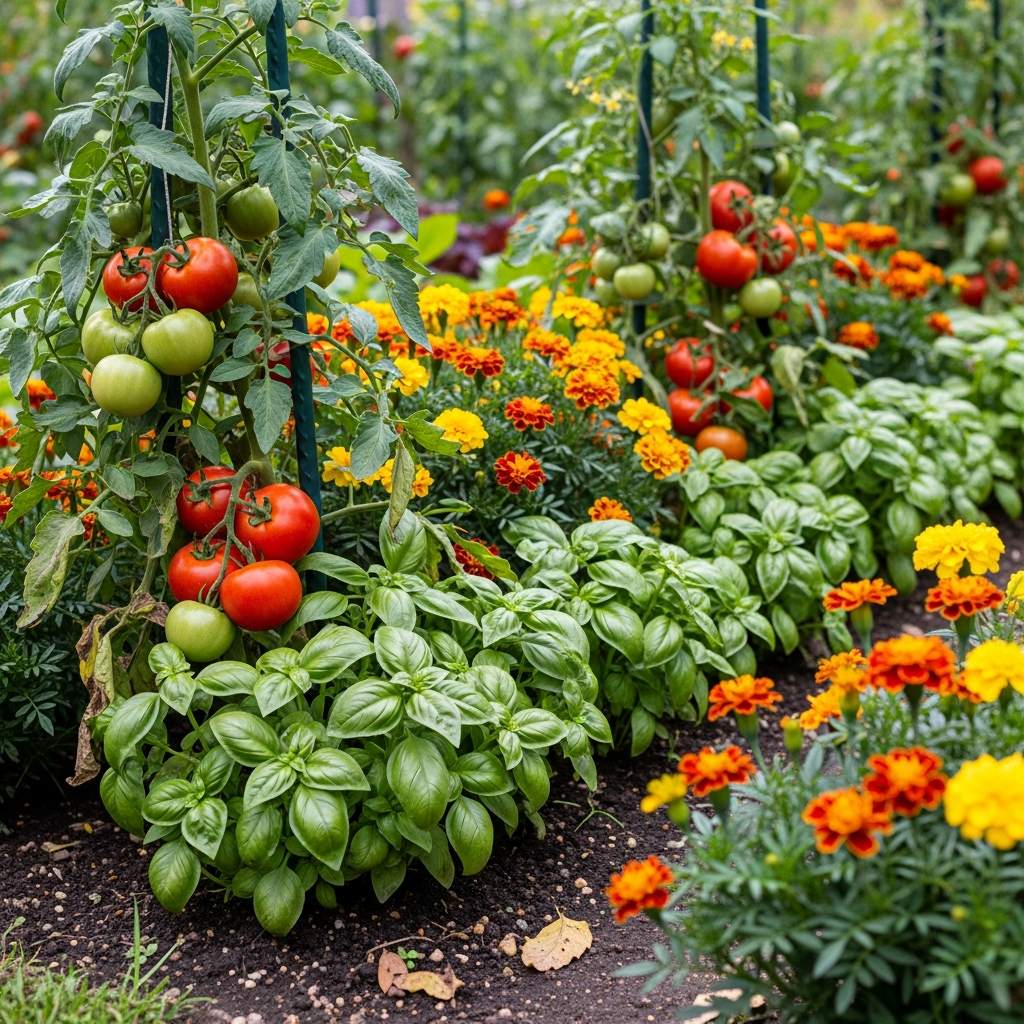
Benefits of Companion Planting
- Natural pest control
- Improved soil health
- Increased vegetable yields
- Reduced need for chemicals
- Better use of garden space
Companion planting works best when combined with a smart garden layout.
Step 1: Assess Your Garden Space
Before planting, evaluate your garden area carefully.
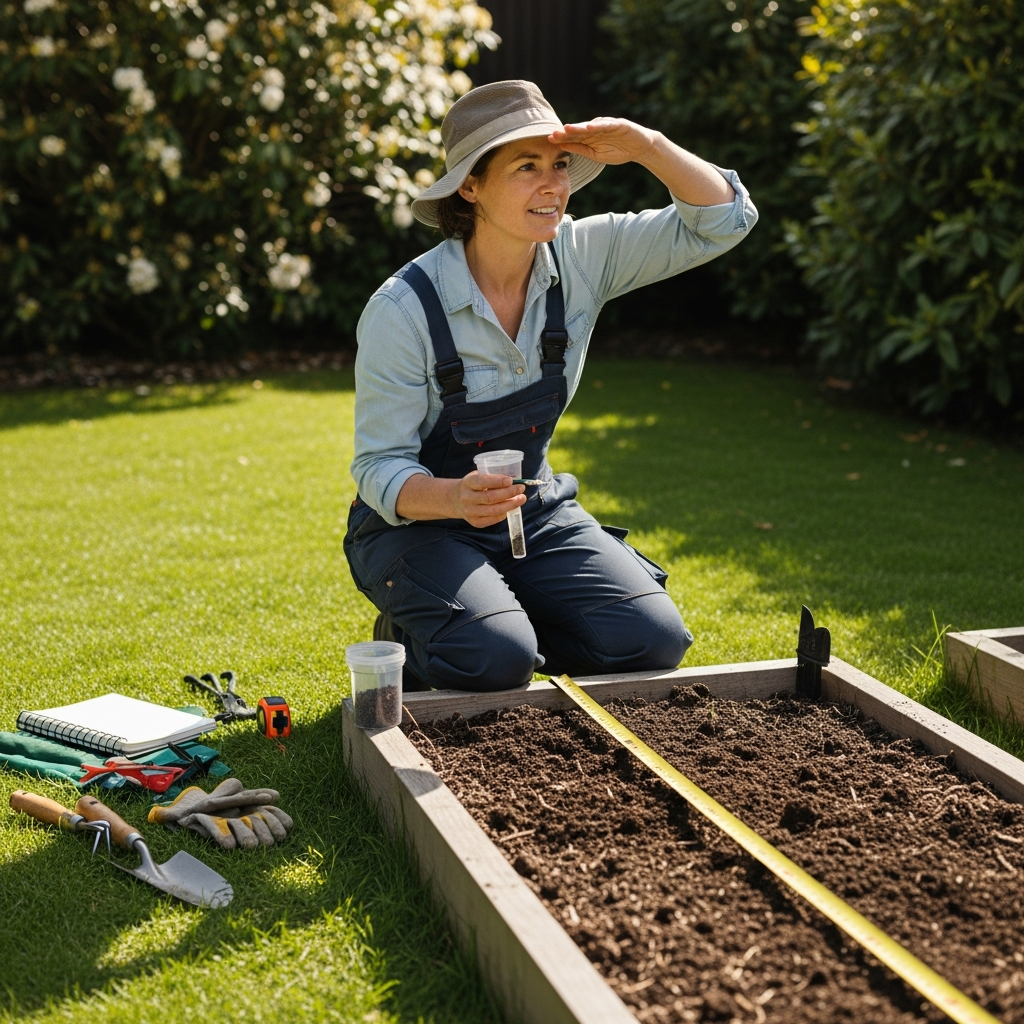
- Sunlight: Most vegetables need 6–8 hours of sun per day
- Soil: Use nutrient-rich, well-draining soil
- Space: Measure your garden beds or plot
- Climate: Know your growing season and frost dates
Understanding your garden conditions helps you choose the right plants.
Step 2: Choose Vegetables and Companion Plants
Select vegetables you enjoy eating and companion plants that support them.
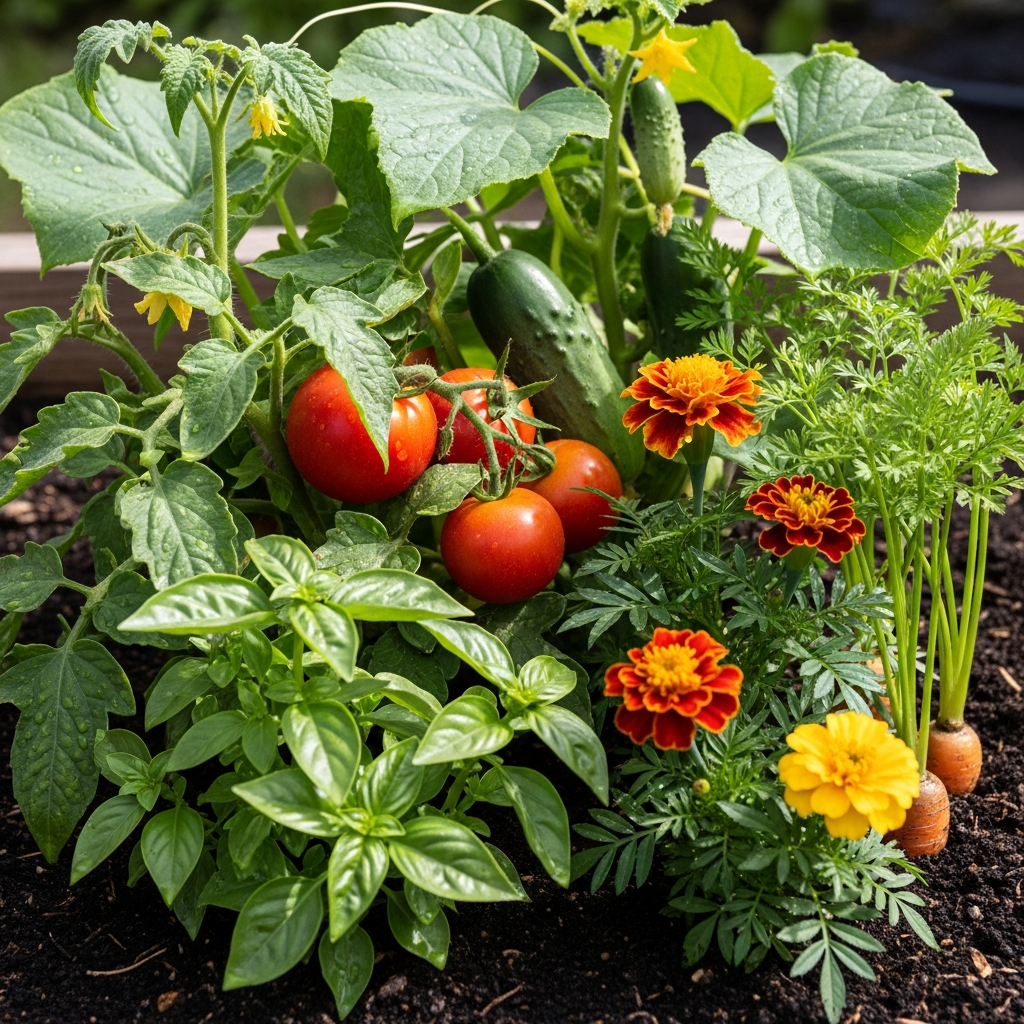
Popular Vegetable Companions
- Tomatoes, basil, marigolds
- Carrots and onions
- Cucumbers and nasturtiums
- Lettuce and radishes
- Corn, beans, and squash
Herbs and flowers are powerful companions that improve garden health.
Step 3: Plan Plant Placement
Proper placement is key to a successful vegetable garden layout.
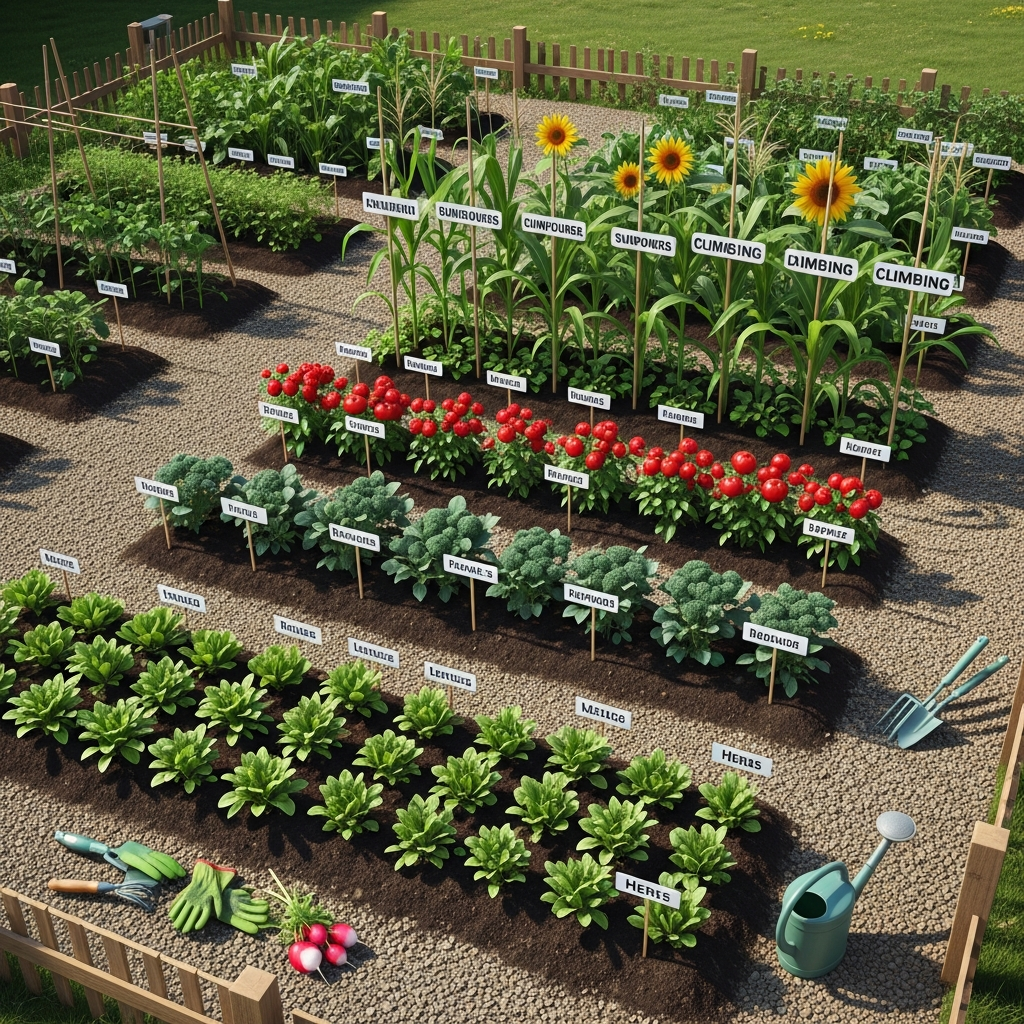
Layout Tips
- Place taller plants on the north side to prevent shading
- Group plants with similar water and sunlight needs
- Allow space for mature plant size
- Keep frequently harvested crops easily accessible
Planning placement prevents overcrowding and competition.
Step 4: Choose a Garden Layout Style
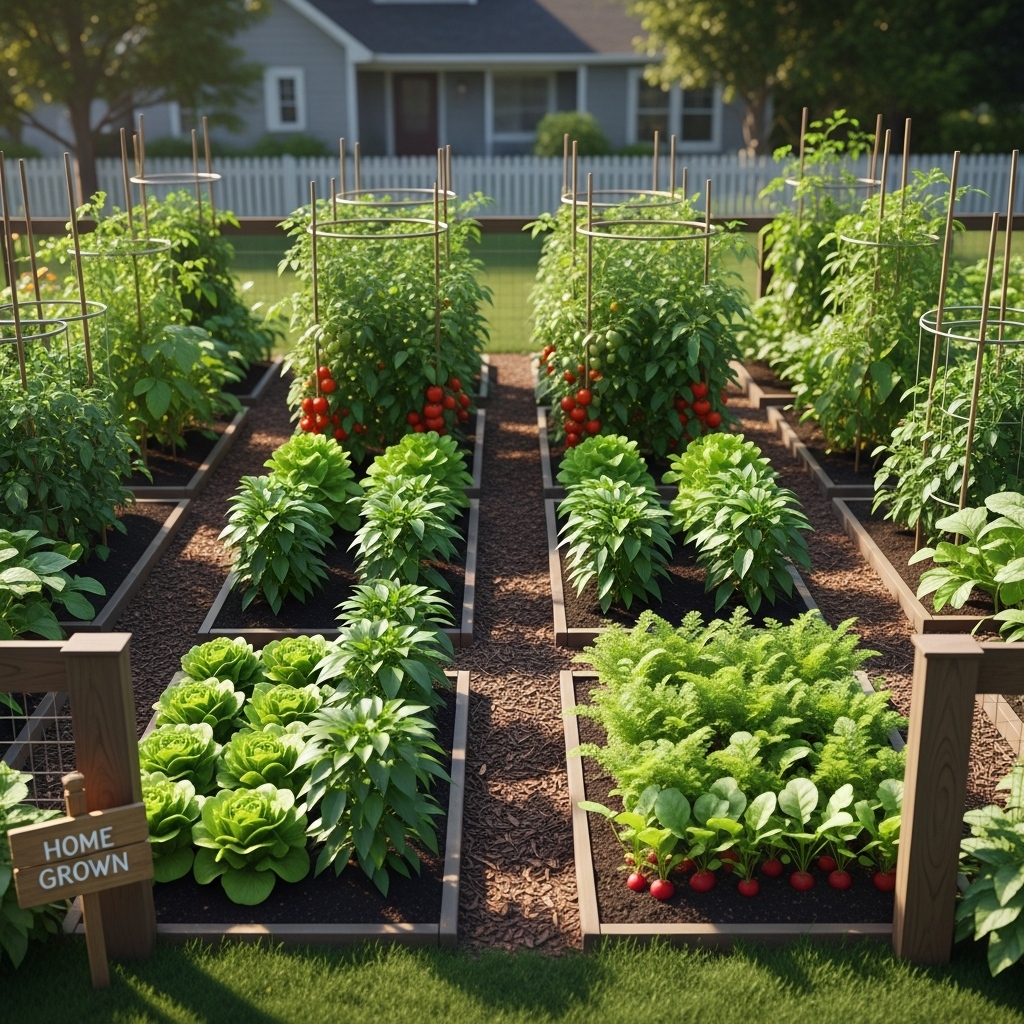
Different layout styles work for different spaces.
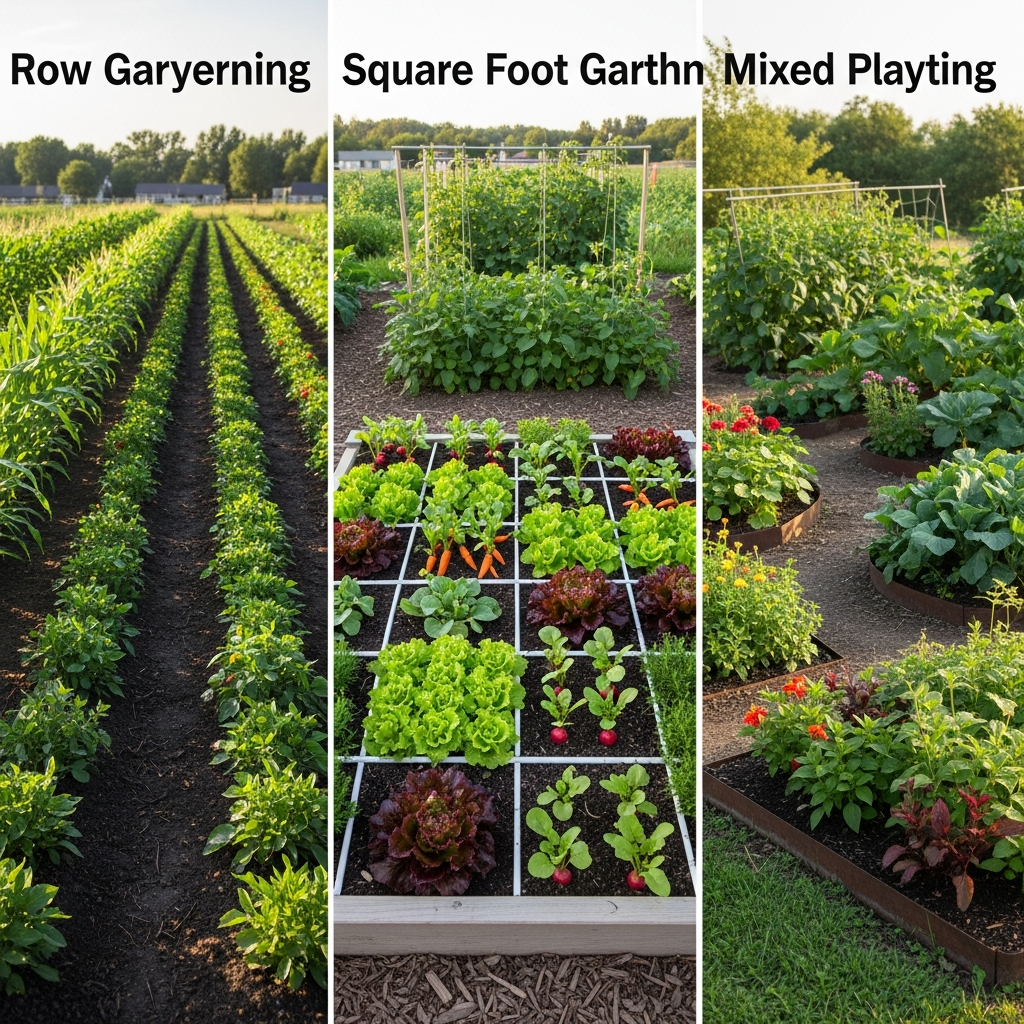
Common Vegetable Garden Layouts
- Row gardening: Traditional and easy to manage
- Square foot gardening: Ideal for small spaces
- Mixed companion planting: Mimics natural plant communities
Choose a layout that fits your space and gardening style.
Vegetables That Grow Well Together
Best Companion Planting Combinations
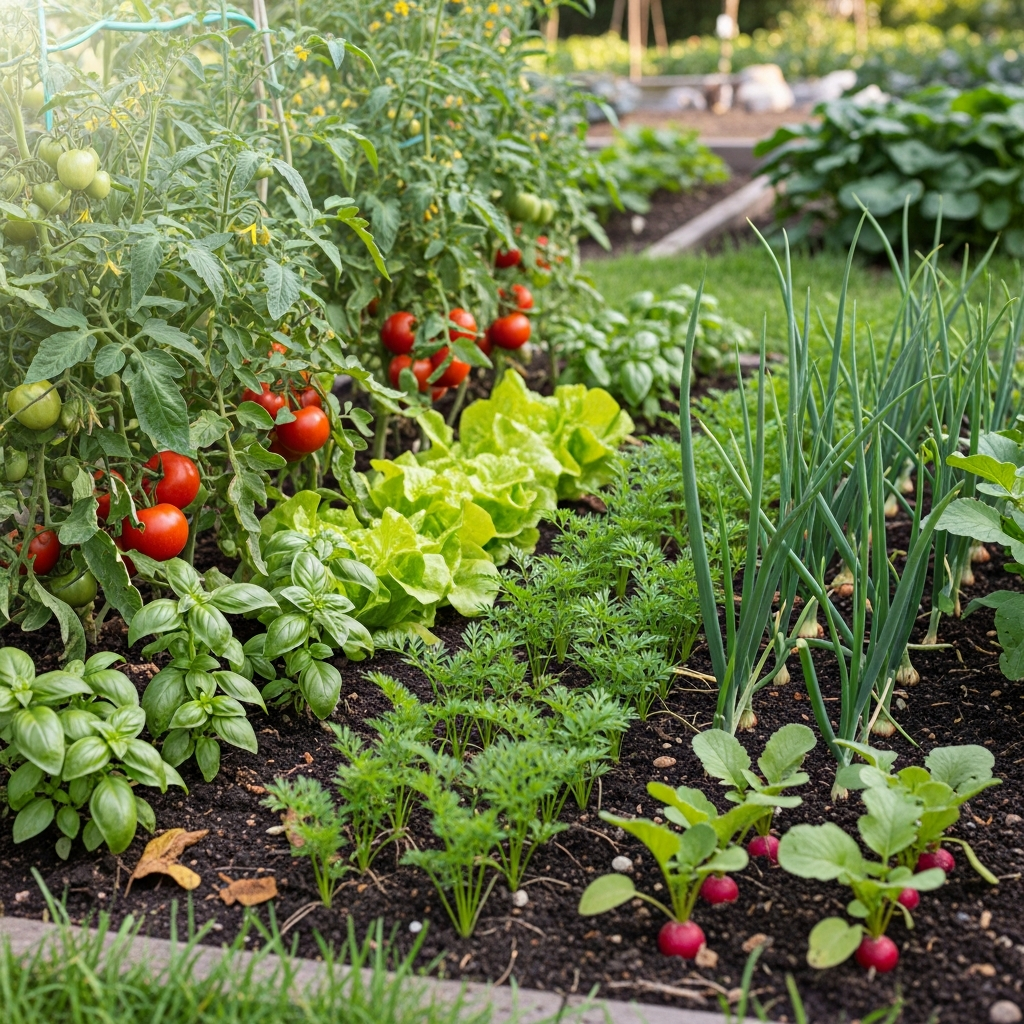
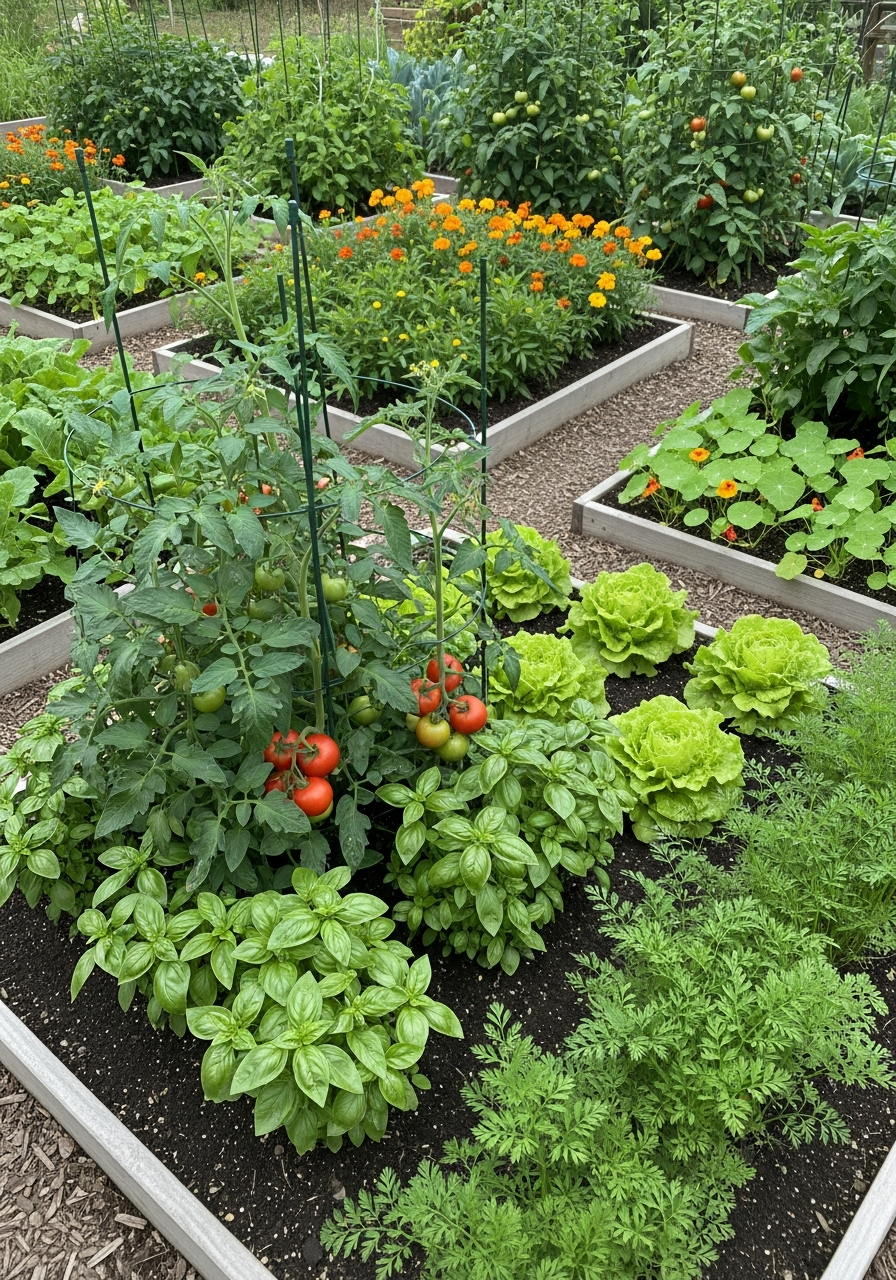
- Tomatoes + Basil: Improves growth and flavor
- Carrots + Onions: Deters carrot flies
- Cucumbers + Nasturtiums: Repels aphids and beetles
- Lettuce + Radishes: Radishes protect lettuce while growing quickly
- Beans + Corn: Beans improve soil nitrogen
These combinations support healthier plants and better harvests.
Plants to Avoid Planting Together
Some plants compete or attract similar pests.
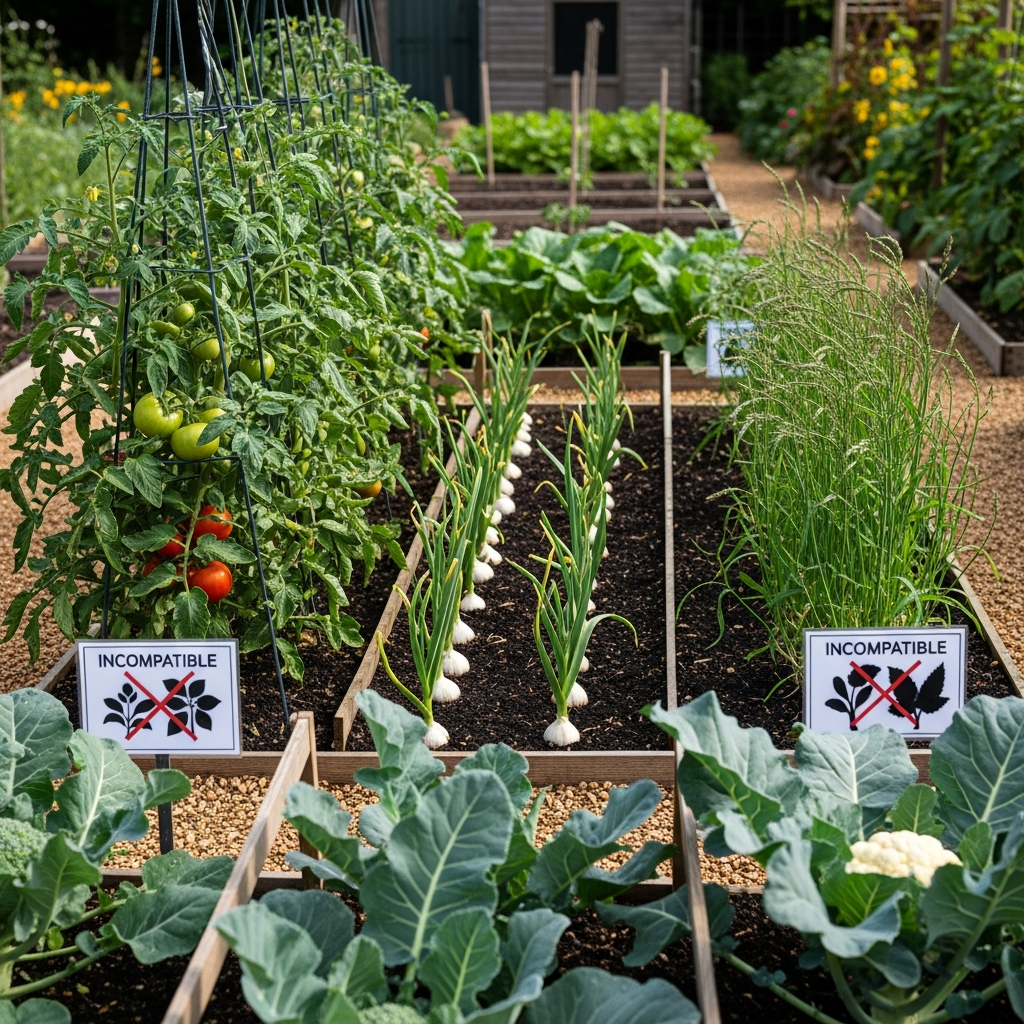
Poor Companion Pairings
- Tomatoes and potatoes
- Onions and beans
- Cucumbers and sage
- Fennel with most vegetables
Keeping incompatible plants separate helps prevent problems.
Crop Rotation and Seasonal Planning
Avoid planting the same crops in the same location year after year.
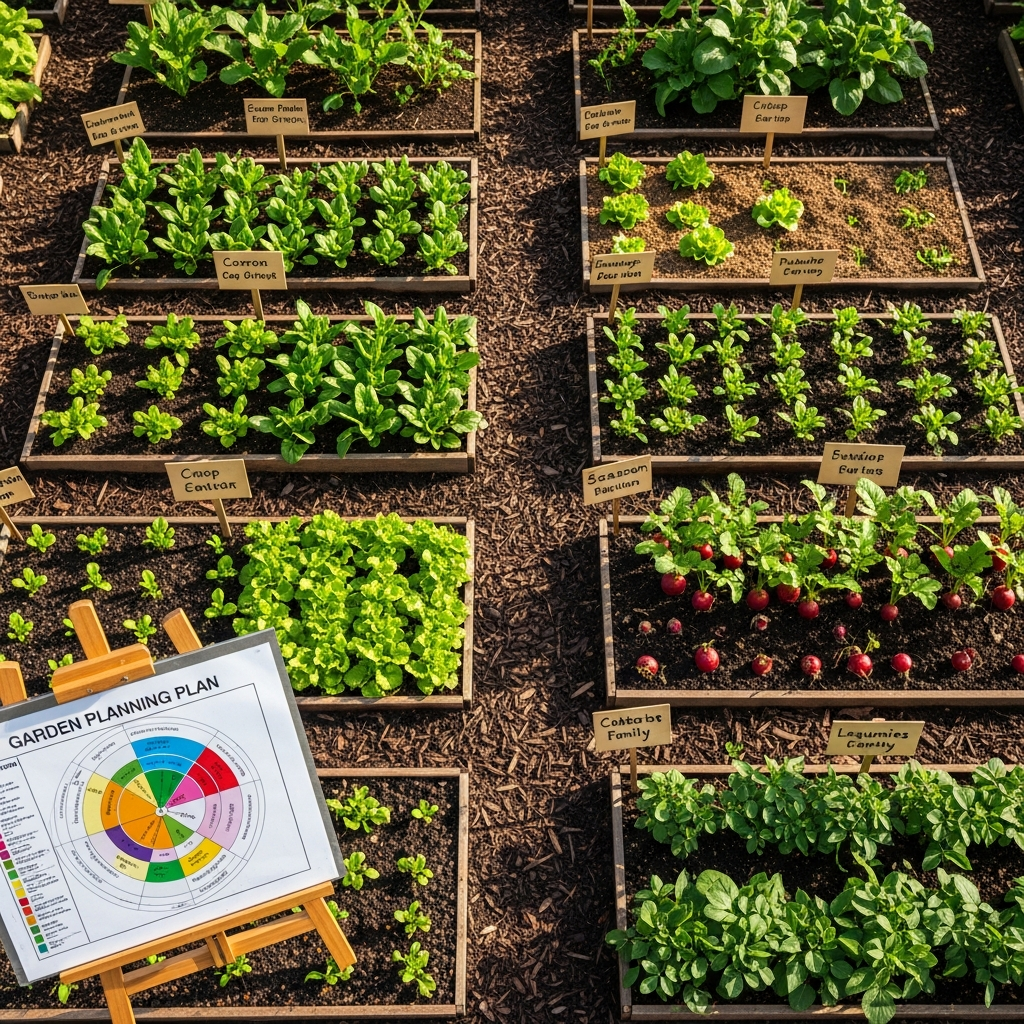
- Rotate plant families each season
- Follow heavy feeders with light feeders
- Improve soil health with compost
Crop rotation supports long-term garden productivity.
Common Mistakes to Avoid
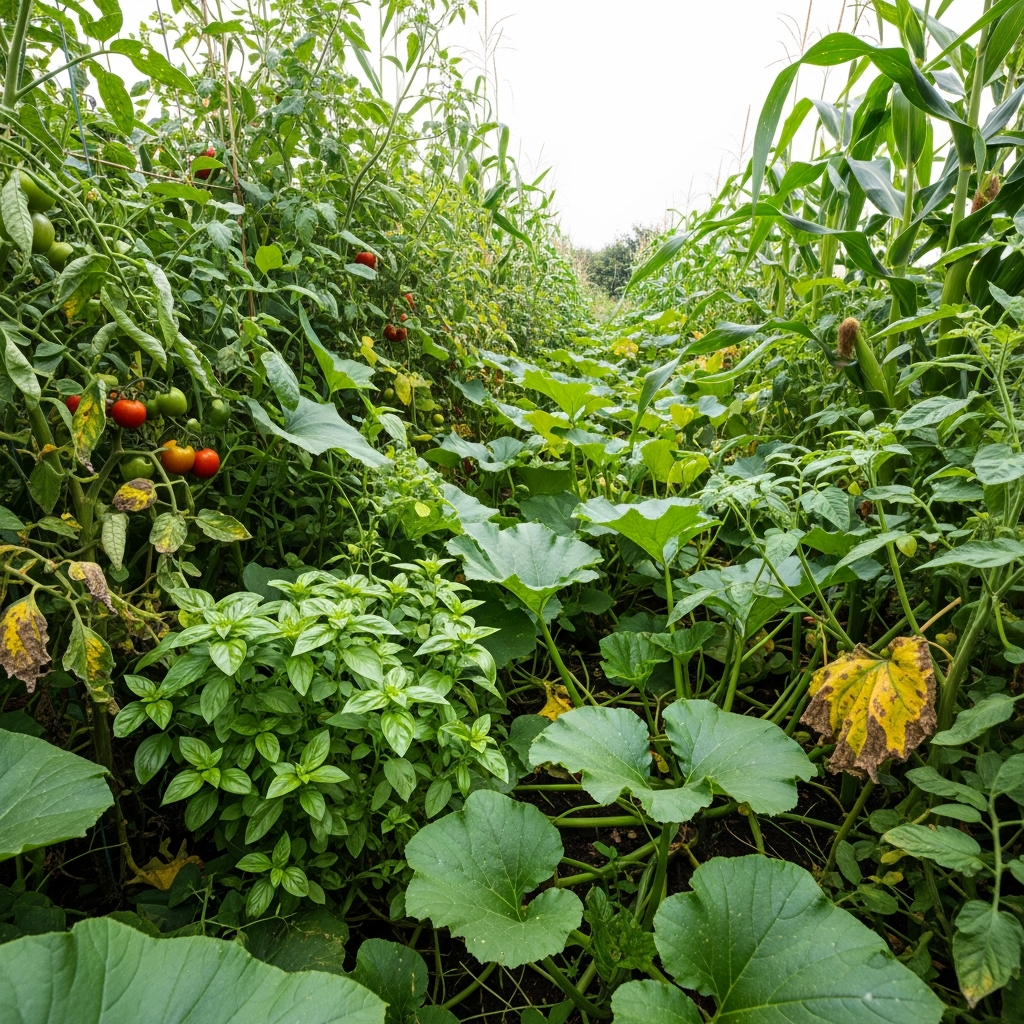
- Overcrowding plants
- Ignoring sunlight needs
- Skipping garden planning
- Forgetting crop rotation
Careful planning helps you avoid these issues.
Final Thoughts: Grow Smarter with Companion Planting
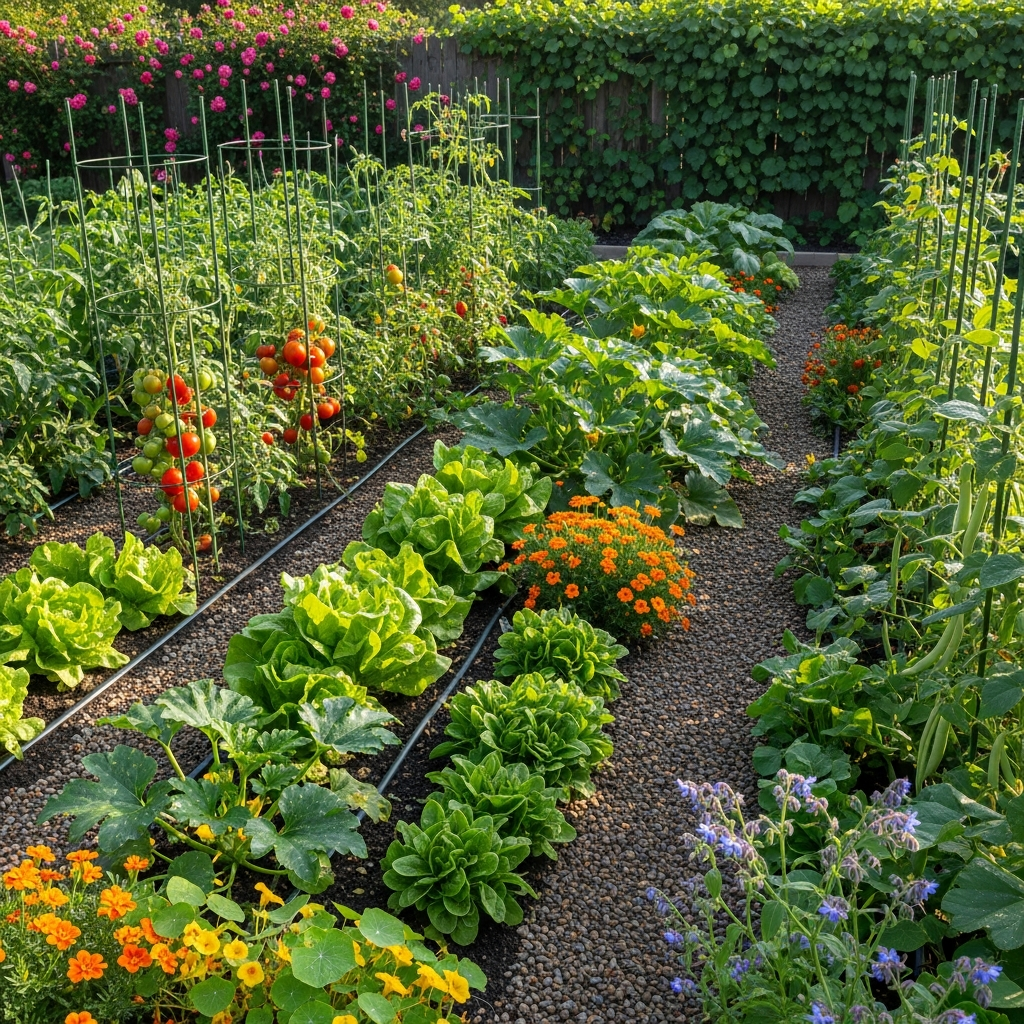
Planning a vegetable garden layout with companion planting is a simple but powerful way to grow healthier plants and enjoy bigger harvests. By choosing compatible plants, placing them thoughtfully, and planning ahead, you can create a productive and balanced vegetable garden that thrives season after season.
Happy gardening!