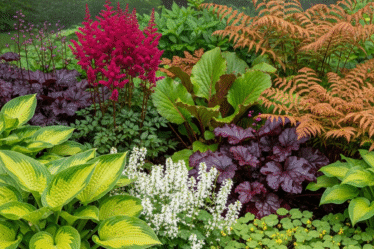
I’ve discovered that with the right layout, even the smallest of spaces can be transformed into a thriving kitchen garden. By incorporating space-saving gardening techniques, you can enjoy a bountiful harvest from your compact garden.

From vertical garden designs to space-efficient container arrangements, there are numerous ways to make the most of your limited area. In this article, I’ll share my top tips for creating a small kitchen garden that yields a lot.
Key Takeaways
- Optimize your garden layout for maximum space efficiency
- Utilize vertical gardening techniques to increase yield
- Choose compact and space-saving gardening varieties
- Implement efficient container arrangements
- Make the most of your limited gardening area
Why Small Kitchen Gardens Are Perfect for Limited Spaces
Growing your own fresh herbs and vegetables is easier than ever, even in the smallest of spaces, thanks to small kitchen gardens. I’ve personally experienced the joy of transforming a compact balcony into a lush garden, and I’m excited to share the benefits and challenges of limited space gardening with you.
Small kitchen gardens are not just a practical solution for those with limited space; they also offer numerous benefits. By growing your own produce, you can enjoy a steady supply of fresh herbs and vegetables right at your doorstep.
Benefits of Growing Your Own Fresh Herbs and Vegetables
Growing your own fresh herbs and vegetables provides several advantages. Some of the key benefits include:
- Freshness and Flavor: Homegrown produce is far superior in taste and aroma compared to store-bought alternatives.
- Cost-Effective: By cultivating your own herbs and vegetables, you can save money on grocery bills.
- Health Benefits: Fresh produce is rich in nutrients, contributing to a healthier diet.
Overcoming the Challenges of Limited Space Gardening
Limited space can be a significant challenge when it comes to gardening. However, there are several strategies to overcome this hurdle:
- Vertical Gardening: Utilize walls and fences to maximize space.
- Container Gardening: Use compact containers that fit into small areas.
- Tiered and Stacked Systems: Implement multi-level gardening to increase yield.
By adopting these strategies, you can enjoy a bountiful harvest even in the most limited of spaces. Whether you’re an urban dweller or simply have a small garden, small kitchen gardens are an excellent way to grow your own fresh produce.
Smart Small Kitchen Garden Layouts: Grow More in Less Space
To make the most of your limited space, consider implementing smart garden layouts. These layouts are designed to maximize your growing area, allowing you to cultivate a variety of herbs and vegetables even in the smallest of spaces.
Vertical Garden Designs for Walls and Fences
One of the most effective ways to maximize space is by utilizing vertical garden designs. These designs make use of walls and fences, turning what would otherwise be unused space into a thriving garden. You can use trellises, wall-mounted planters, or even DIY projects like pallet gardens to create a vertical garden.
- Use trellises to support climbing plants like peas and beans.
- Install wall-mounted planters for herbs and leafy greens.
- Create a pallet garden by attaching pallets to a wall or fence and filling them with soil and plants.

Space-Efficient Container Garden Arrangements
Container gardens are another great way to make the most of your space. By choosing the right containers and arranging them efficiently, you can grow a surprising amount of produce. Consider using hanging baskets, window boxes, or stackable containers to maximize your space.
- Hang baskets from a sturdy hook or railing.
- Place window boxes under windows or on balconies.
- Stack containers to create a tiered effect.
Tiered and Stacked Growing Systems
Tiered and stacked growing systems are perfect for small kitchen gardens. These systems allow you to grow multiple layers of plants, making the most of your available space. You can use tiered planters, stacked containers, or even vertical gardening systems to create a thriving garden.
- Choose a tiered planter that fits your space.
- Stack containers to create a multi-level garden.
- Install a vertical gardening system for maximum space efficiency.
Planning Your Small Kitchen Garden for Maximum Yield
To get the most out of your small kitchen garden, thorough planning is essential. A well-planned garden not only maximizes space but also ensures a continuous harvest throughout the year.
Assessing Your Available Space and Light Conditions
Before you start planting, it’s crucial to assess your available space and light conditions. Observe your garden throughout the day to determine the areas that receive the most sunlight. Most vegetables and herbs require at least 6 hours of direct sunlight per day. Consider using a sunlight meter to get an accurate reading.

Choosing High-Yield, Compact Varieties
Selecting the right varieties is vital for a productive small kitchen garden. Look for compact or dwarf varieties of your favorite vegetables and herbs. These varieties are bred to produce high yields in smaller spaces. Some examples include ‘Patio’ tomatoes and ‘Thumbelina’ carrots.
| Compact Variety | Description | Yield |
|---|---|---|
| Patio Tomatoes | Dwarf tomato variety perfect for containers | High |
| Thumbelina Carrots | Compact carrot variety for small spaces | Medium |
| Bush Cucumbers | Compact cucumber variety for containers | High |
Creating a Year-Round Growing Calendar
To ensure a continuous harvest, create a growing calendar that outlines what to plant and when. Consider the growing seasons for different vegetables and herbs, as well as the frost dates in your area. By planning ahead, you can enjoy a year-round harvest from your small kitchen garden.
Space-Saving Container Options for Small Gardens
In my experience, using space-saving containers is key to a thriving small kitchen garden. Containers offer the flexibility to grow a variety of herbs and vegetables even in the most limited spaces. By choosing the right containers, you can maximize your growing area without sacrificing style or productivity.

Hanging Baskets and Wall Planters for Herbs
Hanging baskets and wall planters are excellent options for growing herbs in small gardens. They not only save space but also add a decorative element to your garden or kitchen. Herbs like basil, mint, and parsley thrive in hanging baskets, and when placed near a window, they can be easily accessed for fresh cooking.
Wall planters, on the other hand, can be mounted on fences or walls, providing a vertical growing space. This is particularly useful for gardens with limited ground space. Using wall planters can also help protect your herbs from pests that might be present in the soil.
Railing, Window Box, and Balcony Systems
Railing, window box, and balcony systems are perfect for making the most of your outdoor space. These systems allow you to grow plants on railings, windowsills, or balconies, effectively utilizing areas that would otherwise remain unused. Window boxes are ideal for growing compact varieties of vegetables and herbs, adding both functionality and beauty to your home.
Balcony systems, including rail planters and hanging systems, can transform a small balcony into a lush garden. This not only enhances the aesthetic appeal of your home but also provides fresh produce right at your doorstep.
Repurposed Items as Creative Space-Saving Planters
Repurposing old items as planters is a creative and eco-friendly way to add more growing space to your small garden. Old boots, wooden crates, and even plastic bottles can be turned into unique planters. This approach not only saves money but also adds a personal touch to your garden.
For instance, using old colanders or strainers as hanging planters can add a quirky element to your garden. Similarly, wooden pallets can be repurposed into vertical planters, maximizing space while adding a rustic charm.
Companion Planting Strategies for Small Gardens
In my experience, companion planting has been a crucial strategy for maximizing yield in limited gardening spaces. By carefully selecting which plants to grow together, you can create a harmonious and productive garden ecosystem.
Companion planting is not just about saving space; it’s also about enhancing growth, reducing pests, and improving overall plant health. For instance, planting marigolds with tomatoes can deter nematodes, while basil repels aphids and improves the flavor of nearby vegetables.

Plant Combinations That Maximize Space and Yield
Certain plant combinations are particularly effective at maximizing space and yield. For example, the “Three Sisters” method involves planting corn, beans, and squash together. The corn provides a structure for the beans to climb, while the squash spreads out to shade the soil, reducing weeds and retaining moisture.
Another effective combination is planting leafy greens like lettuce or kale with radishes. The radishes can be harvested before they compete with the greens for space, and they help to break up compacted soil.
| Plant Combination | Benefits |
|---|---|
| Tomatoes and Basil | Improves flavor, repels pests |
| Marigolds and Carrots | Repels nematodes, improves soil health |
| Corn, Beans, and Squash | Maximizes space, improves soil fertility |
Herbs and Vegetables That Thrive Together in Containers
When it comes to container gardening, choosing the right combinations of herbs and vegetables is key. Some herbs, like mint and lemongrass, can be quite invasive, so it’s best to grow them separately. However, herbs like basil, parsley, and cilantro can be grown alongside vegetables like tomatoes, peppers, and cucumbers.
For example, planting basil with tomatoes not only enhances the flavor of the tomatoes but also repels pests that target tomatoes. Similarly, chives can be planted with carrots to improve their flavor and repel aphids.
- Basil and Tomatoes
- Chives and Carrots
- Cilantro and Peppers
Maintenance Tips for Thriving Small Kitchen Gardens
Maintaining a small kitchen garden requires attention to detail and a few simple strategies. To ensure your garden thrives, it’s crucial to focus on watering, fertilizing, and pest management.
Water-Efficient Irrigation Systems for Small Spaces
Water-efficient irrigation is vital for small kitchen gardens. Using drip irrigation or soaker hoses can significantly reduce water waste. These systems deliver water directly to the roots, minimizing evaporation and runoff.
Organic Fertilizing Methods for Container Gardens
Organic fertilizing methods are essential for maintaining healthy plants in container gardens. Using compost tea or worm casting can provide your plants with the necessary nutrients. These methods are not only effective but also environmentally friendly.
Natural Pest Management in Confined Spaces
Managing pests naturally is critical in small kitchen gardens. Using neem oil or introducing beneficial insects like ladybugs can help control pests without harming the environment. Regularly inspecting your plants and removing infested areas can also prevent pest damage.
| Maintenance Task | Frequency | Benefits |
|---|---|---|
| Watering | Daily/Weekly | Prevents water stress, promotes healthy growth |
| Fertilizing | Monthly | Provides essential nutrients, boosts plant health |
| Pest Management | Weekly | Prevents pest damage, reduces chemical use |

Conclusion
By implementing the strategies outlined in this article, you can transform your small kitchen into a thriving garden oasis. Effective small kitchen garden tips, such as choosing compact varieties and utilizing vertical space, can significantly enhance your gardening experience in small spaces.
Gardening in small spaces requires careful planning, but with the right approach, you can enjoy a bountiful harvest. By applying companion planting techniques and maintaining a healthy garden ecosystem, you can maximize your yield and make the most of your available space.
As you continue to tend to your small kitchen garden, remember that maximizing yield is a continuous process. With the right combination of smart layout ideas, efficient maintenance practices, and a little creativity, you can enjoy a productive and fulfilling gardening experience, even in the most limited of spaces.
FAQ
What are the benefits of having a small kitchen garden?
Having a small kitchen garden allows you to grow your own fresh herbs and vegetables, saving you money on grocery bills and providing a steady supply of fresh produce.
How can I maximize space in my small kitchen garden?
You can maximize space by using vertical garden designs, space-efficient container arrangements, and tiered growing systems, which make the most of your available area.
What are some space-saving container options for small gardens?
Some space-saving container options include hanging baskets, wall planters, railing, window box, and balcony systems, as well as repurposed items like old boots or wooden crates.
How do I choose the right plants for my small kitchen garden?
You should choose high-yield, compact varieties that thrive in small spaces, and consider companion planting strategies to maximize space and yield.
What are some maintenance tips for a thriving small kitchen garden?
To maintain a thriving small kitchen garden, use water-efficient irrigation systems, organic fertilizing methods, and natural pest management strategies to keep your garden healthy and productive.
Can I grow a kitchen garden in a shaded area?
While most vegetables and herbs require at least some direct sunlight, you can still grow a kitchen garden in a shaded area by choosing shade-tolerant varieties and using mirrors or reflective surfaces to maximize available light.
How often should I water my small kitchen garden?
The frequency of watering depends on the specific needs of your plants, the climate, and the soil mix, so it’s essential to check the soil moisture regularly and adjust your watering schedule accordingly.