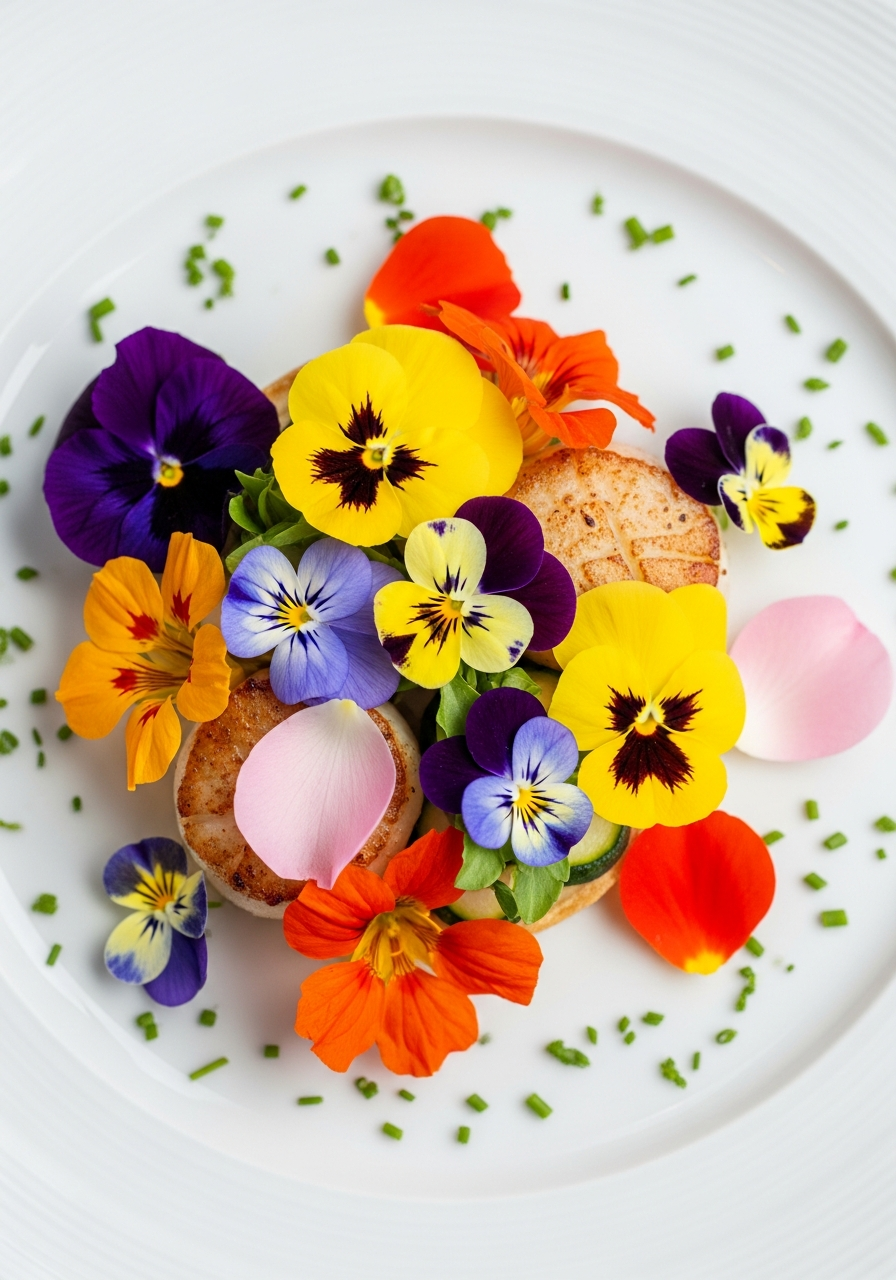
Edible flowers have become one of the most beautiful trends in modern cooking. More than decoration, they bring subtle flavors, vibrant colors, and a touch of elegance to everyday meals. Whether you’re hosting a garden party, styling a dessert, or elevating a simple dish, edible flowers can turn your plate into an artistic, gourmet creation.
If you’ve ever wondered how to plate edible flowers properly, this guide will show you how to use them safely, beautifully, and deliciously.
🌸 What Are Edible Flowers?
Edible flowers are natural blooms that are safe to eat and offer mild flavors ranging from sweet to spicy.
Some popular edible flowers include:
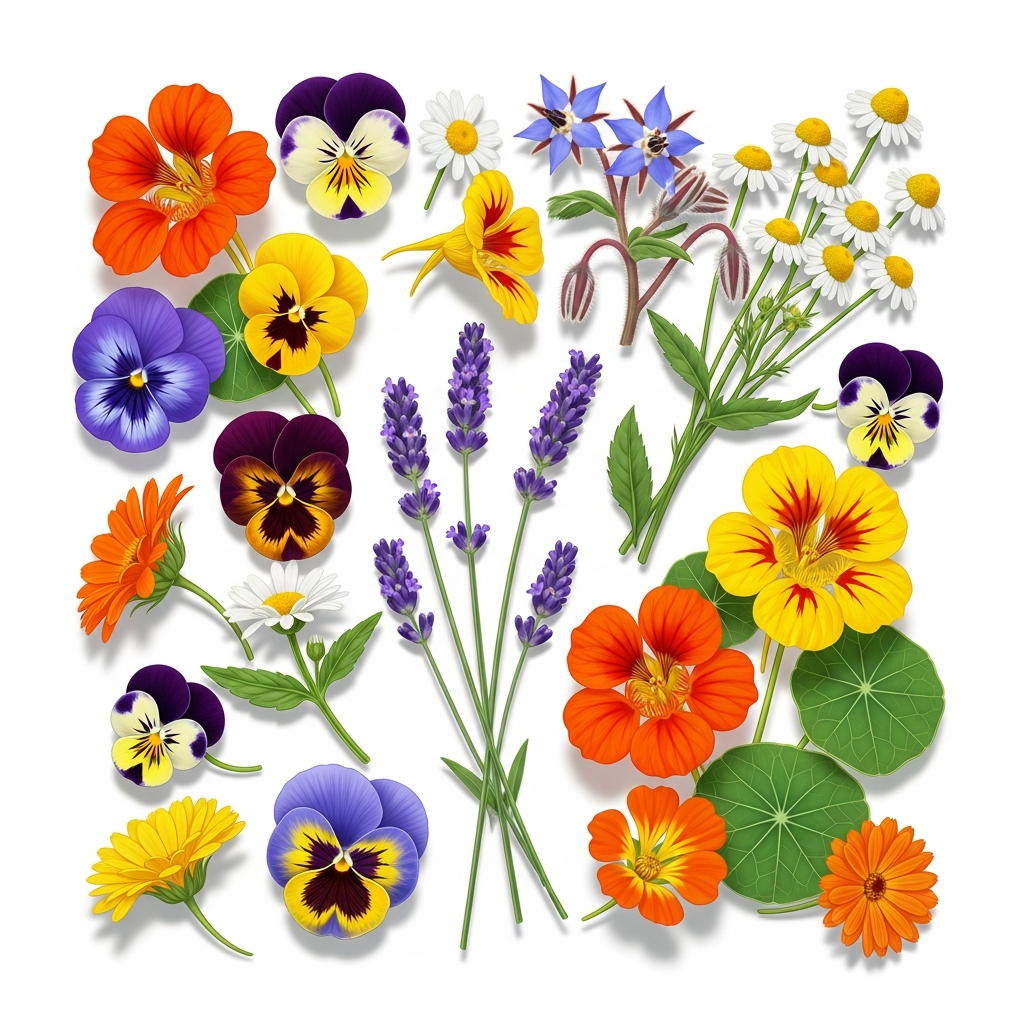
- Nasturtiums
- Pansies
- Calendula
- Lavender
- Chamomile
- Rose petals
- Violas
- Hibiscus
- Borage
- Marigold (calendula)
Each flower brings its own personality to the plate.
🌿 Why Add Edible Flowers to Your Plates?
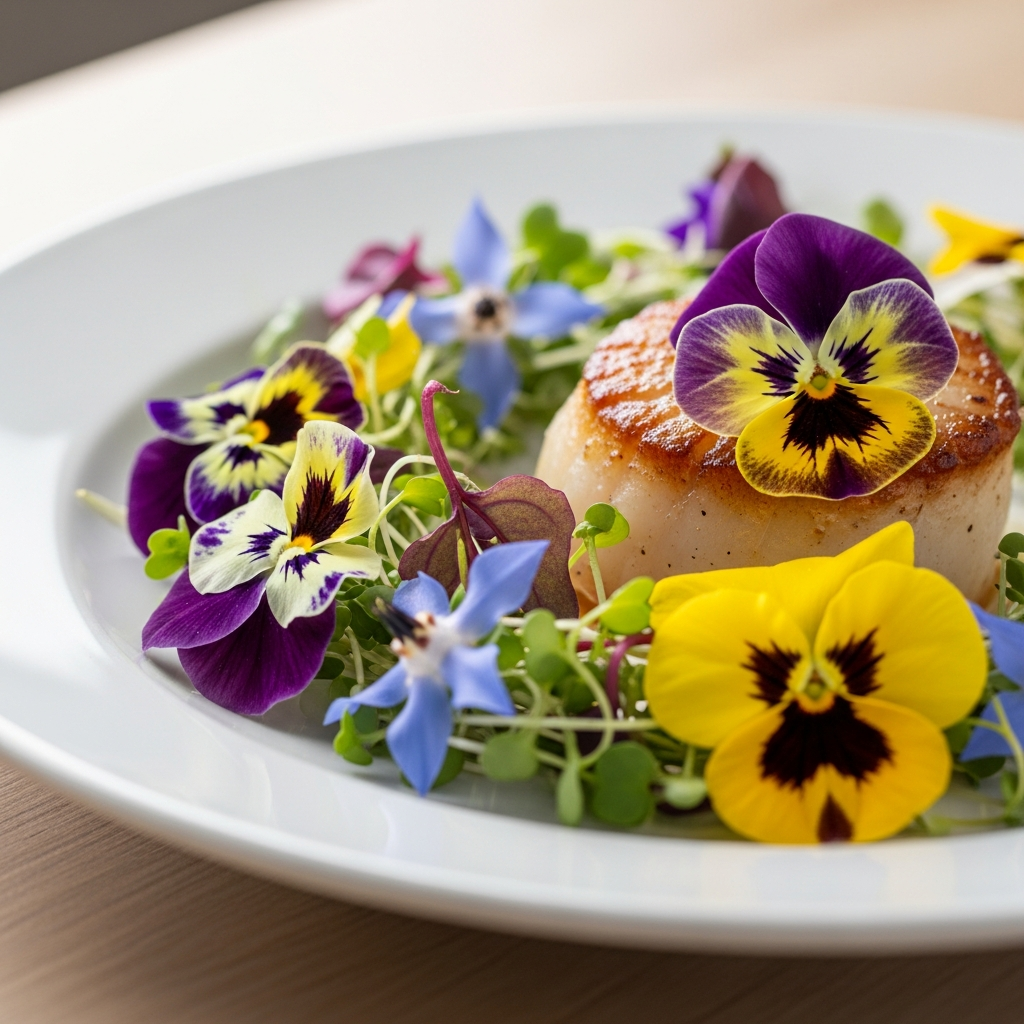
✨ 1. Beautiful Presentation
Flowers add instant color, elegance, and restaurant-style appeal.
✨ 2. Natural Flavor Boost
Many edible flowers taste peppery, citrusy, sweet, or herbal.
✨ 3. Healthy and Organic
They’re rich in antioxidants and free from artificial colors.
✨ 4. Perfect for All Types of Dishes
From salads to desserts to cocktails, edible flowers elevate everything.
🌸 How to Plate Edible Flowers the Right Way
1. Choose Fresh, Organic Flowers
Avoid flowers treated with pesticides or chemicals.
Grow your own or buy from trusted edible flower suppliers.
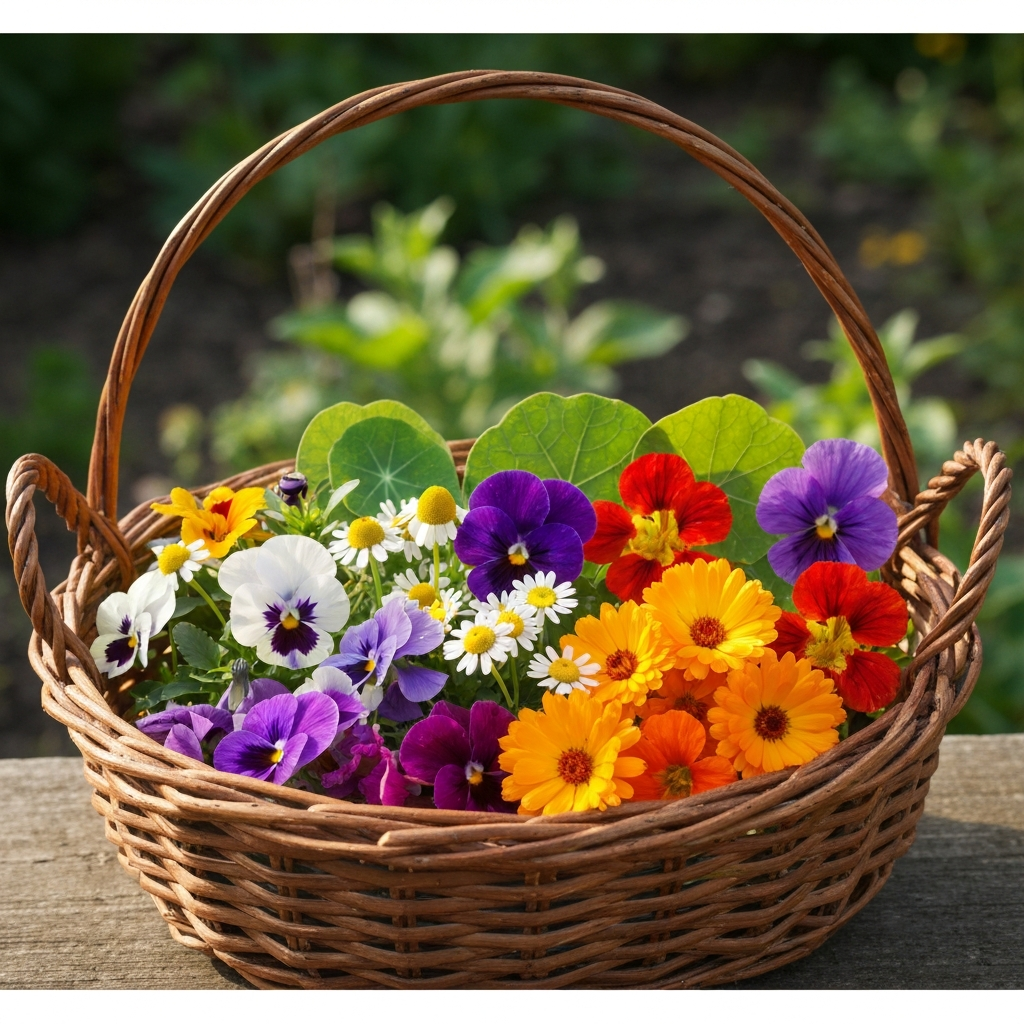
Best types for plating:
- Pansies, violas
- Nasturtium
- Rose petals
- Calendula
- Lavender buds
2. Match the Flower Flavor to the Dish
Flowers aren’t just for decoration—flavor matters!
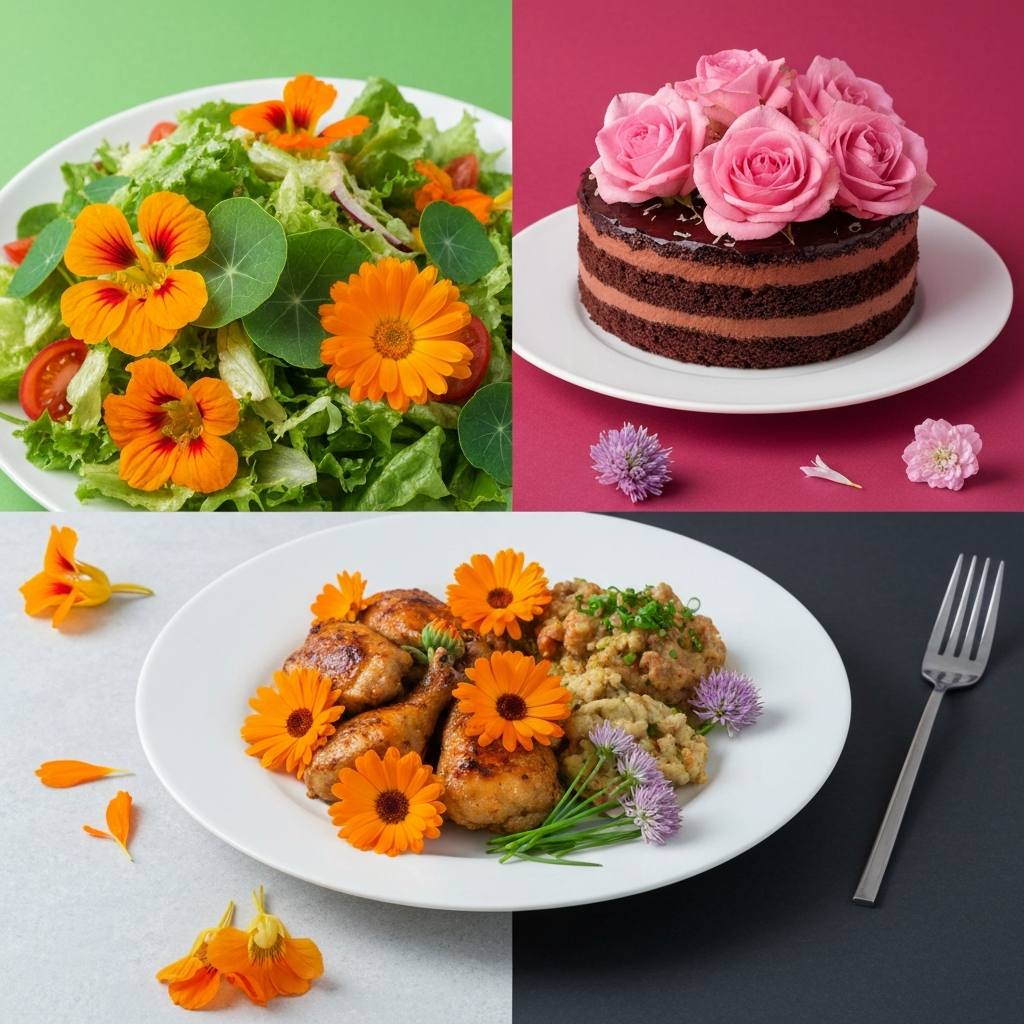
Examples:
- Peppery flowers like nasturtium → perfect for salads
- Sweet floral like rose petals → best for desserts
- Citrusy flowers like calendula → great with fish or chicken
- Herbal flowers like chive blossoms → excellent for savory dishes
3. Use Petals, Whole Blooms, or Flower Confetti
There are three ways to beautifully plate edible flowers:
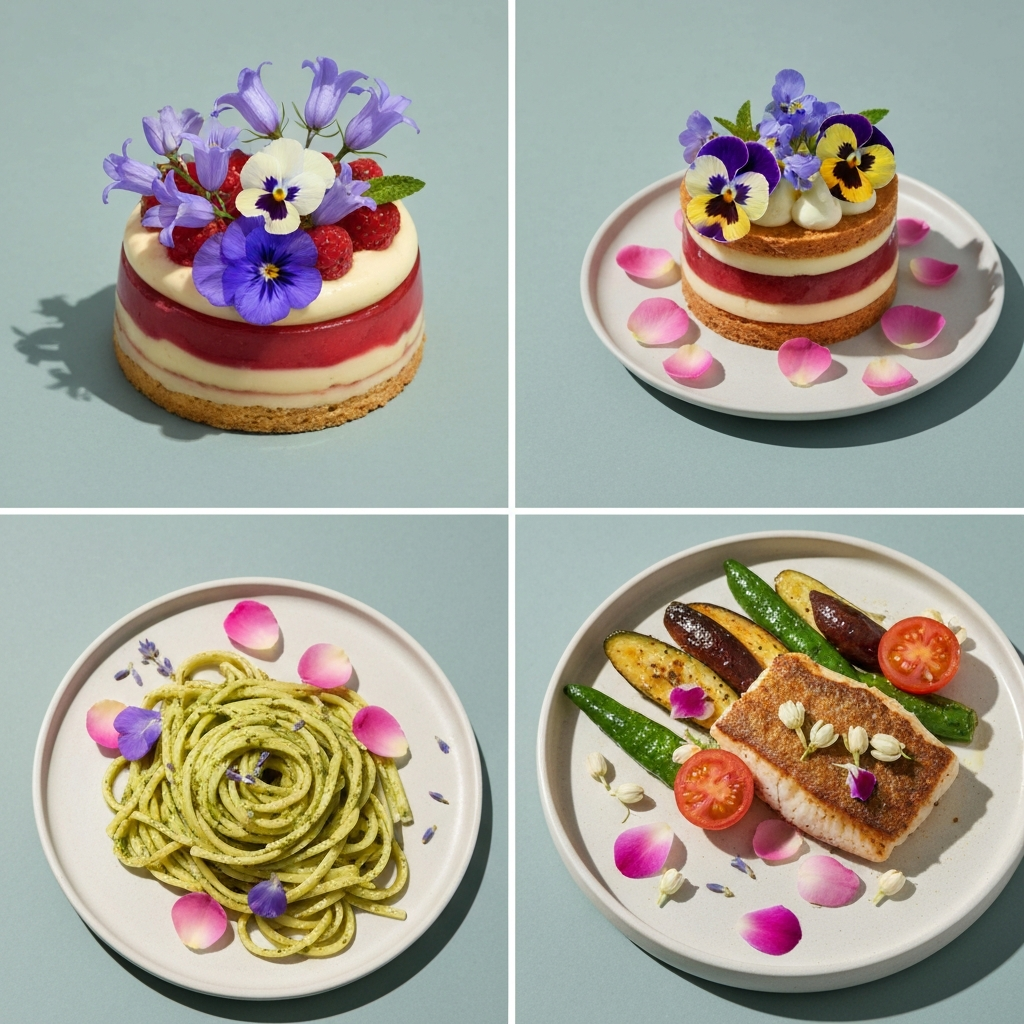
✨ Whole Blooms
Place on top of cakes, pastries, breakfast bowls, toast, or salads.
✨ Individual Petals
Scatter lightly to create a soft, refined aesthetic.
✨ Flower Confetti
Finely chopped petals sprinkled on pasta, rice bowls, desserts, and cocktails.
4. Create Balance — Don’t Overload the Plate
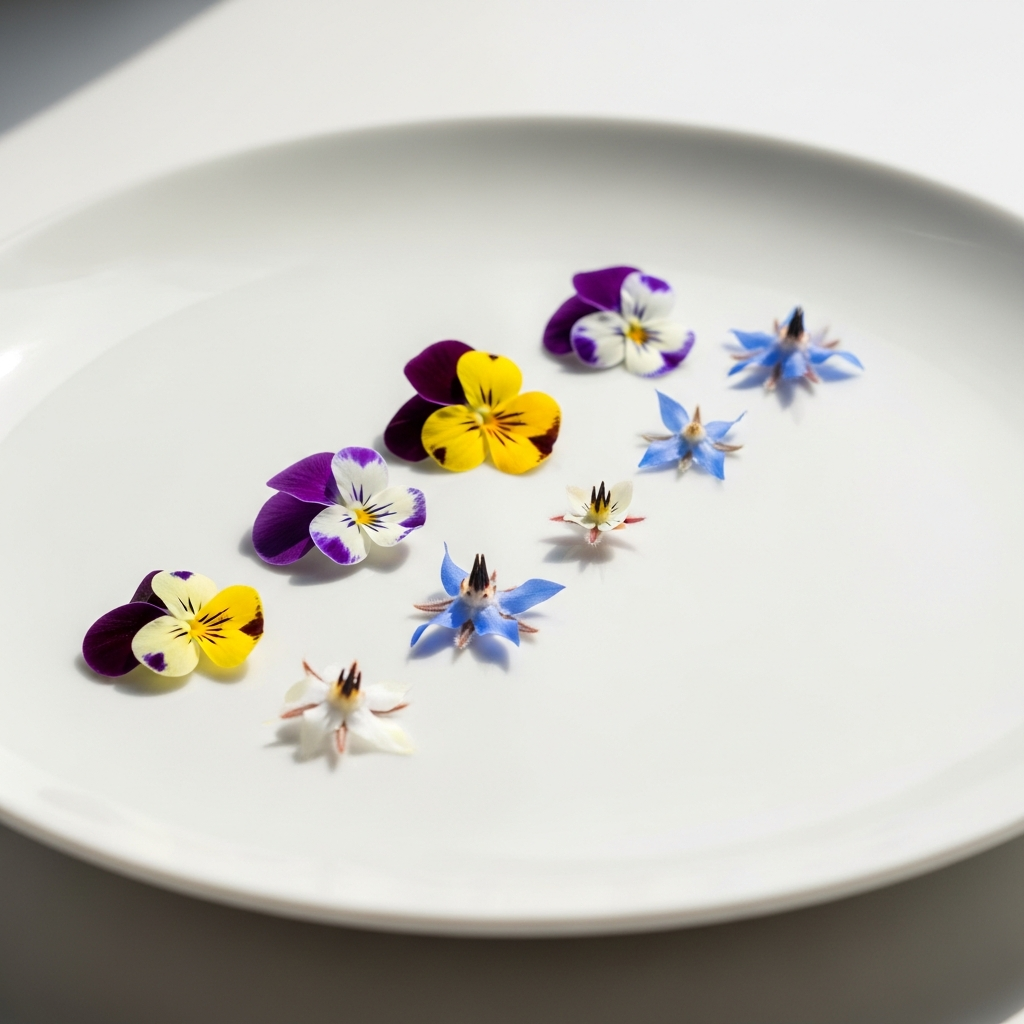
A few flowers go a long way.
Focus on:
- Color harmony
- Space and breathing room
- Symmetry or intentional asymmetry
Think of edible flowers as the final artistic touch.
5. Use Flowers as Garnish for Drinks
Make beverages look stunning with floral embellishments:
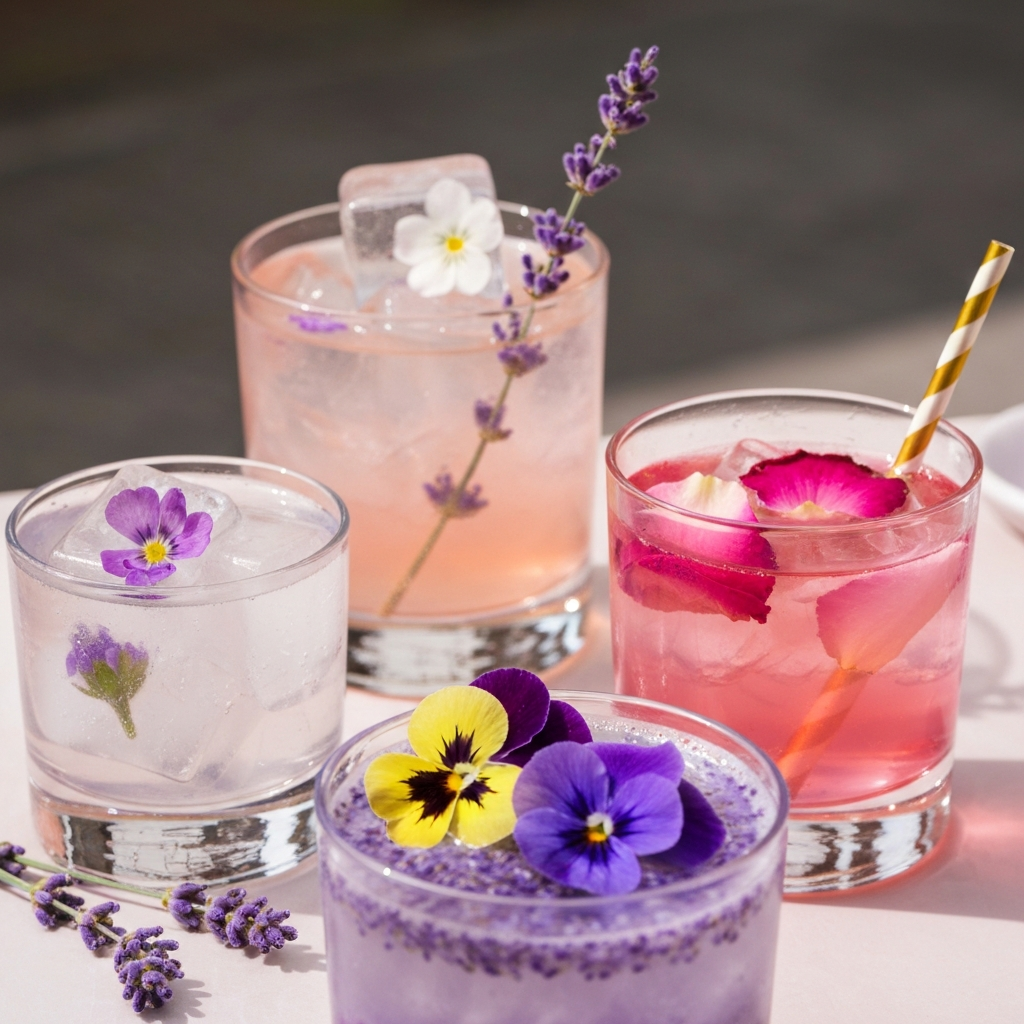
- Freeze flowers into ice cubes
- Add lavender sprigs to cocktails
- Float rose petals in lemonade
- Add pansies to mocktails
This instantly gives a premium look.
6. Pair Flowers with Fresh Herbs
Flowers and herbs complement each other beautifully.
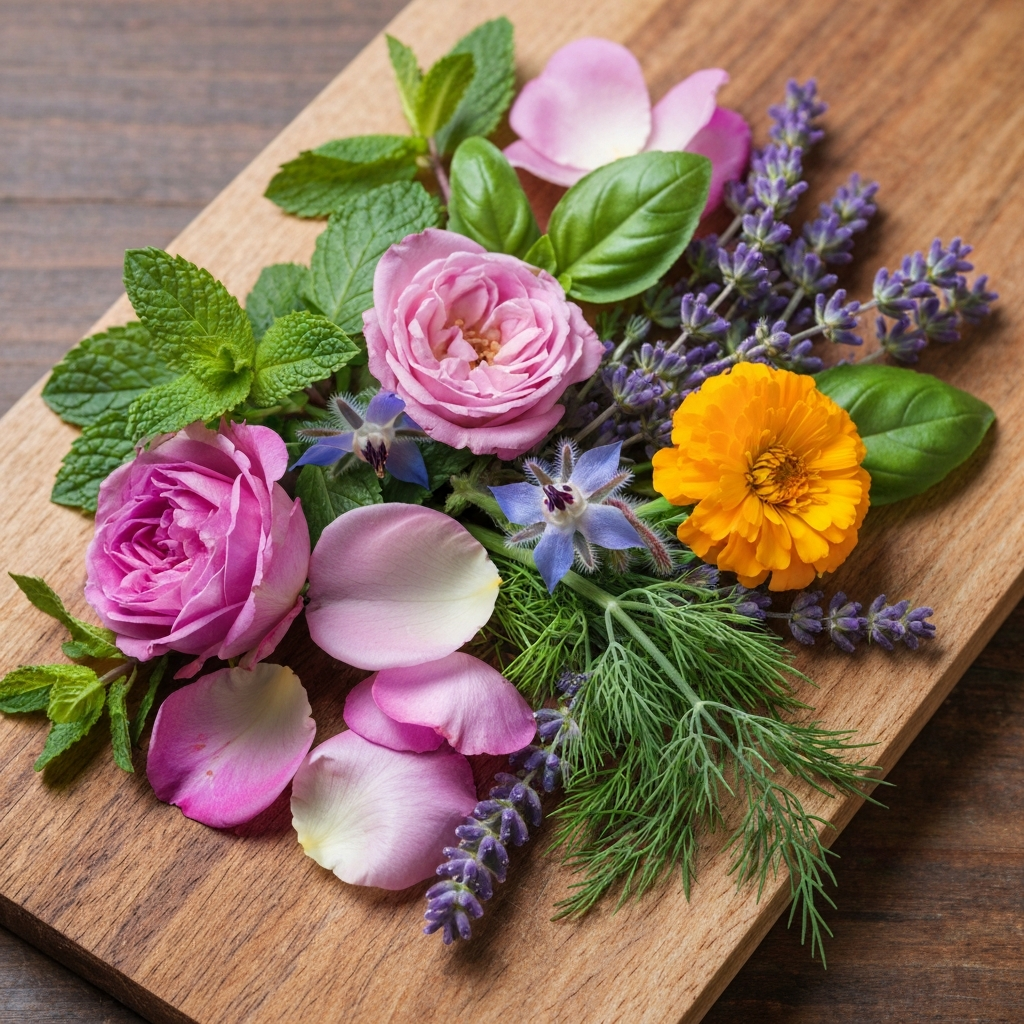
Great pairing ideas:
- Mint + rose petals
- Basil + marigold
- Dill + borage flowers
- Thyme + lavender
This enhances both taste and visual appeal.
7. Add Texture with Mixed Flower Types
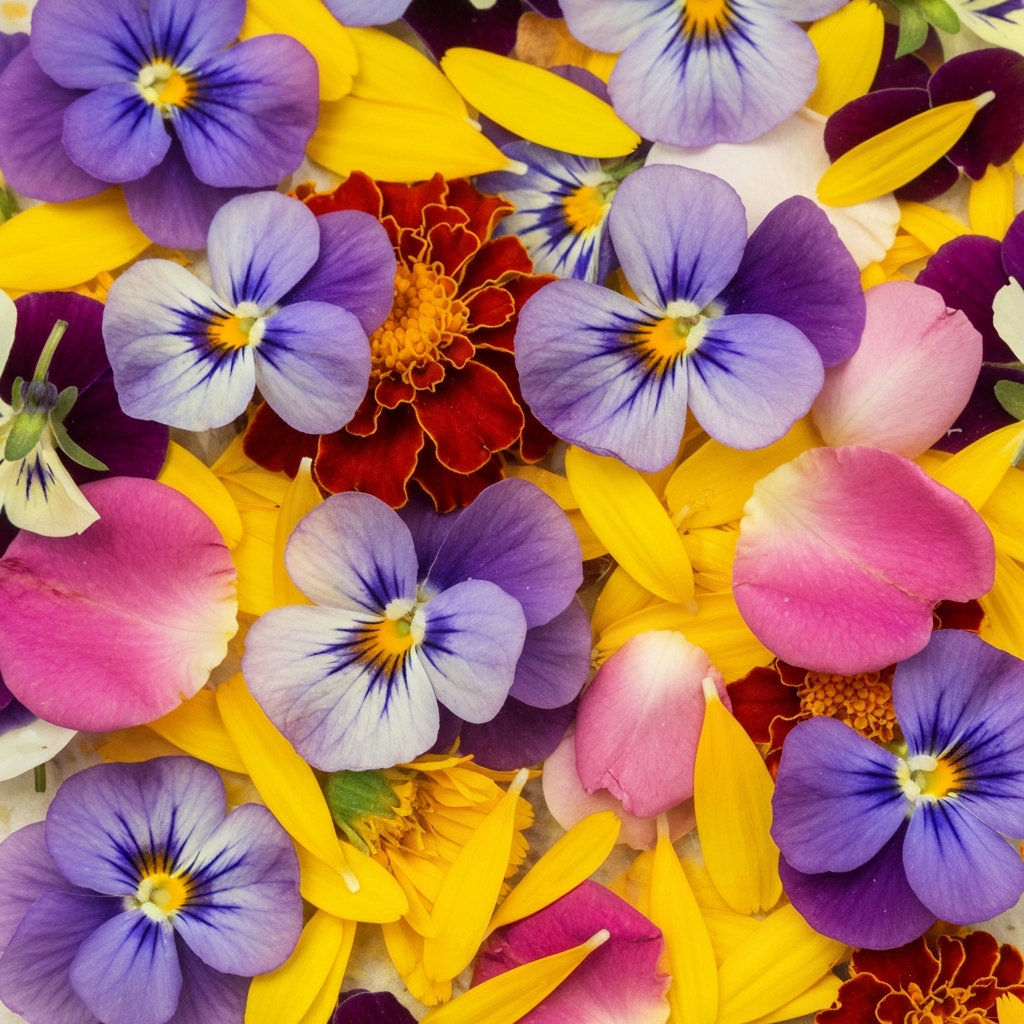
Combine different sizes and shapes for dimension:
- Tiny violas
- Medium pansies
- Soft rose petals
- Spiky marigold petals
Layer them gently for a chef-style finish.
🍽️ Best Dishes to Decorate with Edible Flowers
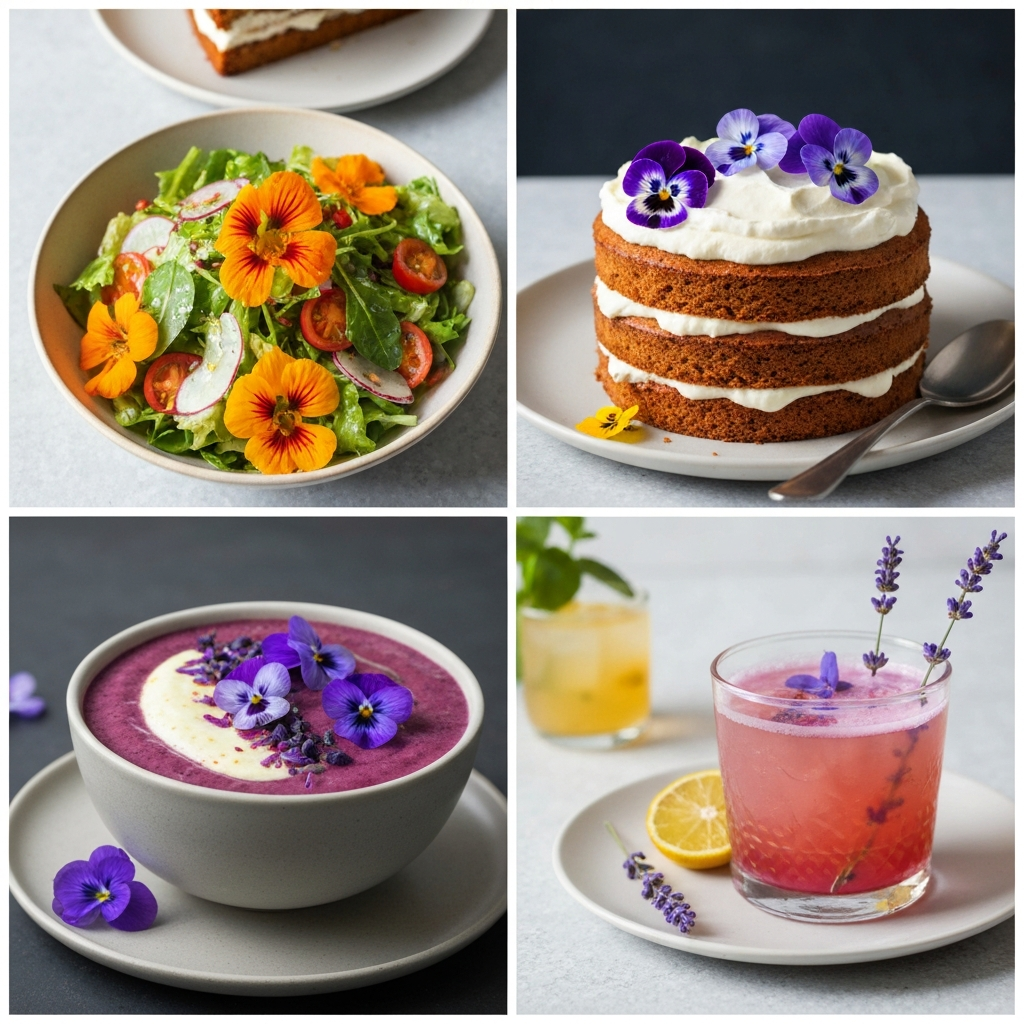
✔ Salads
Add pansies, violets, nasturtiums, borage.
✔ Desserts
Cakes, cupcakes, pavlovas, ice creams.
✔ Breakfast Bowls
Smoothie bowls, yogurt, fruit plates.
✔ Drinks
Cocktails, iced tea, lemonade, sparkling water.
✔ Main Courses
Garnish grilled meats, pasta, risotto, and fish.
⭐ Safety Tips for Using Edible Flowers
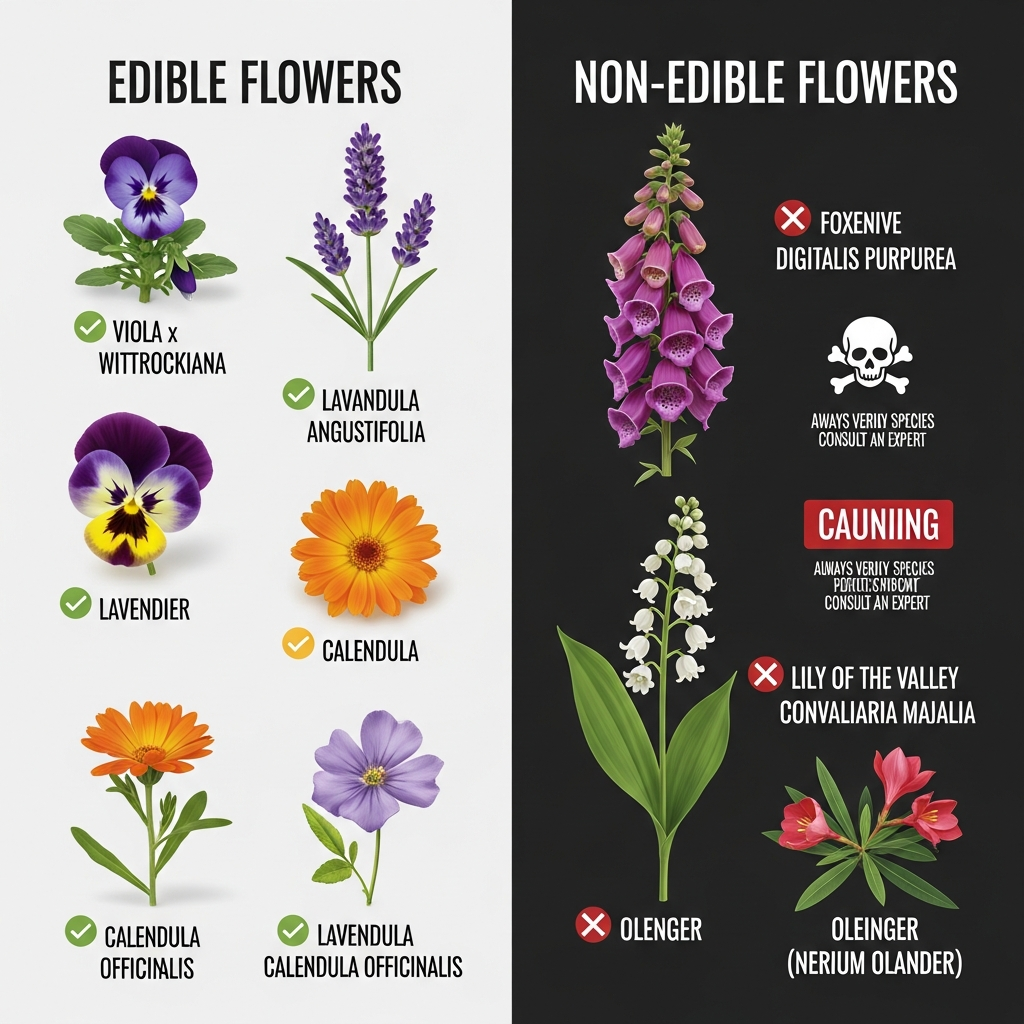
- Only use flowers labeled edible
- Avoid flowers from florists (often sprayed with chemicals)
- Rinse gently before plating
- Use in moderation, especially fragrant flowers
- Introduce new flowers slowly to check allergies
Final Thoughts
Plating edible flowers is an easy way to elevate dishes from simple to stunning. With the right blooms, thoughtful placement, and flavor pairing, your meals can look like they came straight from a gourmet restaurant. Whether you’re a home cook, food blogger, or garden lover, edible flowers open up a world of creativity on the plate.