A well-designed kitchen garden brings fresh flavors right to your doorstep while adding beauty to your outdoor space. The secret to a thriving kitchen garden isn’t just what you grow—it’s how you arrange it. The right layout maximizes your harvest, simplifies maintenance, and creates an inviting space you’ll want to visit daily. In this guide, we’ll explore seven functional kitchen garden layouts that combine practicality with beauty, helping you create a productive garden regardless of your available space.

Benefits of a Well-Planned Kitchen Garden
Before diving into specific layouts, let’s understand why thoughtful garden design matters. A functional kitchen garden offers numerous advantages beyond just growing food:

Sustainability
Growing your own food reduces packaging waste and food miles while giving you control over growing methods. A well-designed garden maximizes production in minimal space, making sustainable living accessible even with limited room.

Fresh Produce
Nothing compares to the flavor of vegetables harvested minutes before cooking. Strategic layouts ensure continuous harvests throughout the growing season, providing fresh ingredients whenever you need them.

Cost Savings
A properly designed kitchen garden can significantly reduce your grocery bill. By maximizing growing space and selecting high-yield crops, even a small garden can produce hundreds of dollars worth of organic produce annually.
Key Principles of Functional Garden Design
Before selecting a specific layout, understand these fundamental principles that apply to any successful kitchen garden:

Sun Exposure
Most vegetables need 6-8 hours of direct sunlight daily. Map the sun patterns in your yard before finalizing your layout. Orient rows north-south when possible to ensure even light distribution. Remember that leafy greens can tolerate partial shade, while fruiting plants like tomatoes and peppers need maximum sunlight.
Soil Quality
Healthy soil is the foundation of any productive garden. Different layouts offer various approaches to soil management. Raised beds allow you to control soil quality precisely, while in-ground gardens require more initial preparation but connect to existing soil ecosystems.
Water Access
Convenient water access reduces maintenance time and improves plant health. Position your garden near a water source or install irrigation systems. Group plants with similar water needs together to prevent over or under-watering.
Companion Planting
Strategic plant combinations can deter pests, attract beneficial insects, and improve growth. Your layout should accommodate these relationships. For example, basil planted near tomatoes improves their flavor and repels certain pests, while marigolds throughout the garden deter many common insects.
7 Optimal Kitchen Garden Layouts
1. Traditional Row Garden Layout

The traditional row garden is the classic approach to vegetable gardening that many of us remember from our grandparents’ gardens. This layout features long, straight rows of crops with walking paths between them.
Best For:
- Larger spaces (minimum 10′ x 20′)
- Gardeners who use mechanical tools like tillers
- Growing large quantities of a few crops
Maintenance Tips:
- Space rows far enough apart (at least 18″) to allow for easy walking and working
- Orient rows north-south for even sun exposure
- Consider mulching pathways to reduce weeding
- Implement crop rotation by shifting rows each season
2. Raised Bed Garden Layout

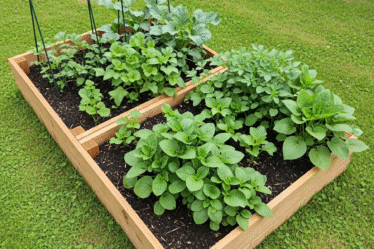
Raised bed gardens have become increasingly popular for good reason. This layout uses contained growing areas elevated above ground level, typically in rectangular forms. Nicole Burke, founder of Rooted Garden, recommends the “Four-Garden Classic” arrangement with four equal-sized beds as her favorite layout.
Best For:
- Areas with poor native soil
- Gardeners with back or knee issues
- Creating defined garden rooms
- Square or nearly square spaces (minimum 15′ x 15′)
Maintenance Tips:
- Keep beds no wider than 4′ to ensure you can reach the center from either side
- Use quality materials that won’t leach chemicals into soil
- Fill with a mix of topsoil, compost, and coarse sand for optimal drainage
- Consider adding arch trellises between beds to create a sense of enclosure
3. Square Foot Gardening Layout

Square foot gardening is an intensive planting method developed by Mel Bartholomew that divides growing space into 1′ x 1′ squares. Each square is planted with a specific number of plants based on their size, maximizing production in minimal space.
Best For:
- Small spaces (can start with just 4′ x 4′)
- Beginners who appreciate clear guidelines
- Growing a wide variety of crops in limited space
- Families who want easy garden tasks for children
Maintenance Tips:
- Use a special soil mix (equal parts compost, peat moss, and vermiculite)
- Create a physical grid to visualize your squares
- Follow recommended plant spacing for each square (1, 4, 9, or 16 plants per square)
- Replant each square as soon as crops are harvested
4. Container Gardening for Small Spaces

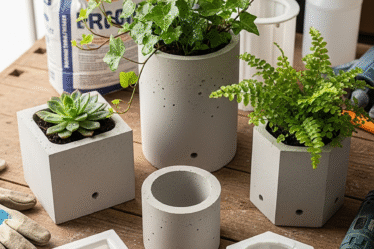
Container gardening brings kitchen gardens to the smallest spaces—balconies, patios, and even windowsills. This layout uses pots, grow bags, and other containers to create a modular, flexible garden that can thrive anywhere with adequate sunlight.
Best For:
- Apartments and rental properties
- Paved areas where in-ground planting isn’t possible
- Gardeners who may need to relocate plants seasonally
- Growing plants with specific soil needs
Maintenance Tips:
- Use containers at least 12″ deep for most vegetables
- Ensure all containers have drainage holes
- Water more frequently as containers dry out faster than ground soil
- Group containers with similar water needs together
- Use high-quality potting mix specifically formulated for containers
5. Vertical Gardening Solutions

Vertical gardening expands your growing space by utilizing the third dimension. This layout incorporates trellises, wall-mounted planters, hanging baskets, and other upward-growing systems to maximize production in limited horizontal space.
Best For:
- Small yards and urban gardens
- Growing vining crops like cucumbers, beans, and peas
- Creating privacy screens or garden dividers
- Gardeners looking to reduce bending and stooping
Maintenance Tips:
- Install sturdy supports that can handle plant weight when fully grown
- Position vertical elements on the north side of gardens to prevent shading other plants
- Consider drip irrigation systems for wall-mounted planters
- Train plants regularly to grow along supports
- Harvest frequently to prevent overburdening structures
6. Permaculture-Inspired Garden Layout

Permaculture gardens mimic natural ecosystems to create sustainable, low-maintenance food systems. This layout incorporates principles like polyculture (mixed plantings), water conservation, and creating beneficial relationships between plants, insects, and soil organisms.
Best For:
- Gardeners interested in sustainability
- Larger spaces where ecosystem development is possible
- Those looking to reduce ongoing maintenance
- Gardens intended to evolve over many years
Maintenance Tips:
- Implement keyhole beds for maximum edge space and easy access
- Create herb spirals to provide different microclimates in a small area
- Use heavy mulching to suppress weeds and build soil
- Incorporate perennial food plants alongside annuals
- Observe your garden closely to identify and enhance beneficial relationships
7. Potager (French Kitchen Garden) Layout

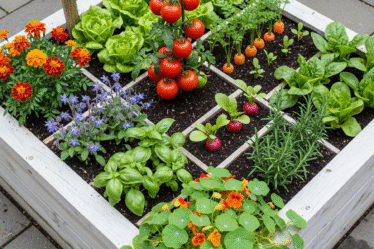
The potager, or French kitchen garden, blends ornamental design with productive growing space. This layout emphasizes beauty alongside utility, often incorporating geometric patterns, ornamental elements, and a mix of vegetables, herbs, fruits, and flowers.
Best For:
- Front yards or visible areas where aesthetics matter
- Gardeners who value design and beauty
- Larger spaces (minimum 20′ x 20′)
- Creating a garden “room” for relaxation and entertainment
Maintenance Tips:
- Use L-shaped raised beds to create a sense of enclosure
- Incorporate structural elements like obelisk trellises and arches
- Include edible flowers and ornamental vegetables for visual appeal
- Maintain clean edges and tidy pathways to enhance the formal design
- Consider adding a central focal point like a fountain, birdbath, or herb spiral
Space Optimization Techniques
Whatever layout you choose, these techniques can help maximize productivity in your available space:

Small Spaces (Under 100 sq ft)
- Focus on high-value crops you use frequently
- Utilize vertical space with wall planters and trellises
- Choose compact varieties bred for containers
- Interplant quick-growing crops with slower ones
- Use hanging baskets for trailing herbs and cherry tomatoes
Medium Spaces (100-300 sq ft)
- Implement intensive planting methods like square foot gardening
- Create defined beds with clear access paths
- Use succession planting to maximize seasonal yields
- Incorporate both annual and perennial food plants
- Add dwarf fruit trees or bushes as anchor plants
Large Spaces (300+ sq ft)
- Divide into garden rooms with different purposes
- Create microclimates for season extension
- Dedicate areas to perennial crops like asparagus and berries
- Incorporate composting systems within the garden
- Consider adding a small greenhouse or cold frames
Recommended Plants for Kitchen Gardens

| Plant Type | Popular Varieties | Spacing Requirements | Days to Harvest | Best Layout Types |
| Herbs | Basil, Parsley, Thyme, Rosemary, Mint | 6-12″ apart | 21-90 days | All layouts, especially containers |
| Leafy Greens | Lettuce, Spinach, Kale, Arugula | 4-12″ apart | 21-60 days | Square foot, raised beds, containers |
| Root Vegetables | Carrots, Radishes, Beets, Turnips | 2-6″ apart | 25-70 days | Raised beds, traditional rows |
| Fruiting Vegetables | Tomatoes, Peppers, Eggplant, Zucchini | 18-36″ apart | 60-100 days | Raised beds, traditional rows, vertical |
| Legumes | Beans, Peas, Snap Peas | 3-6″ apart | 55-80 days | Vertical, traditional rows |
| Small Fruits | Strawberries, Blueberries, Raspberries | 12-48″ apart | Perennial (1-2 years) | Permaculture, potager, containers |
Seasonal Maintenance for Kitchen Gardens

Spring
- Prepare soil with compost and organic matter
- Start seeds indoors for summer crops
- Install trellises and supports
- Plant cool-season crops directly
- Establish irrigation systems
Summer
- Water consistently during dry periods
- Mulch to retain moisture and suppress weeds
- Harvest regularly to encourage production
- Monitor for pests and diseases
- Succession plant for continuous harvests
Fall
- Plant cool-season crops for fall harvest
- Remove spent summer crops
- Add compost to replenish nutrients
- Plant cover crops in empty beds
- Protect cold-hardy crops with row covers
Winter
- Plan next season’s layout and crop rotation
- Order seeds and supplies
- Maintain tools and equipment
- Protect perennial plants from freezing
- Start seeds indoors for early spring planting
Essential Tools and Materials

Basic Tools
- Hand trowel and cultivator
- Garden fork and spade
- Pruners and garden scissors
- Watering can or hose with adjustable nozzle
- Garden gloves and knee pad
- Wheelbarrow or garden cart
Layout Materials
- Measuring tape and garden twine
- Stakes or markers
- Graph paper for planning
- Lumber for raised beds (cedar or untreated hardwood)
- Hardware cloth for pest protection
Growing Supplies
- Quality compost and organic fertilizers
- Mulch materials (straw, wood chips, leaves)
- Trellises, cages, and plant supports
- Seeds and seedlings
- Seed starting supplies
- Row covers for season extension
Irrigation Options
- Soaker hoses or drip irrigation systems
- Timer for automatic watering
- Rain barrels for water conservation
- Watering wand for container gardens
- Moisture meter to monitor soil conditions
Creating Your Perfect Kitchen Garden
The best functional kitchen garden layout is one that works with your specific space, needs, and lifestyle. Don’t be afraid to combine elements from different layouts or adapt them to suit your unique situation. Remember that gardens evolve over time—what you create this season can be refined and improved in the next.
Start with a clear plan, but remain flexible as you learn what grows best in your microclimate and what your family enjoys most from the garden. The true joy of a kitchen garden comes not just from the harvest but from the process of creating a space that nourishes both body and soul.

Ready to Plan Your Kitchen Garden?
Download our free Kitchen Garden Layout Planner with printable templates for all seven layouts, planting calendars, and a customizable grid to design your perfect garden space. Get Your Garden Planner